


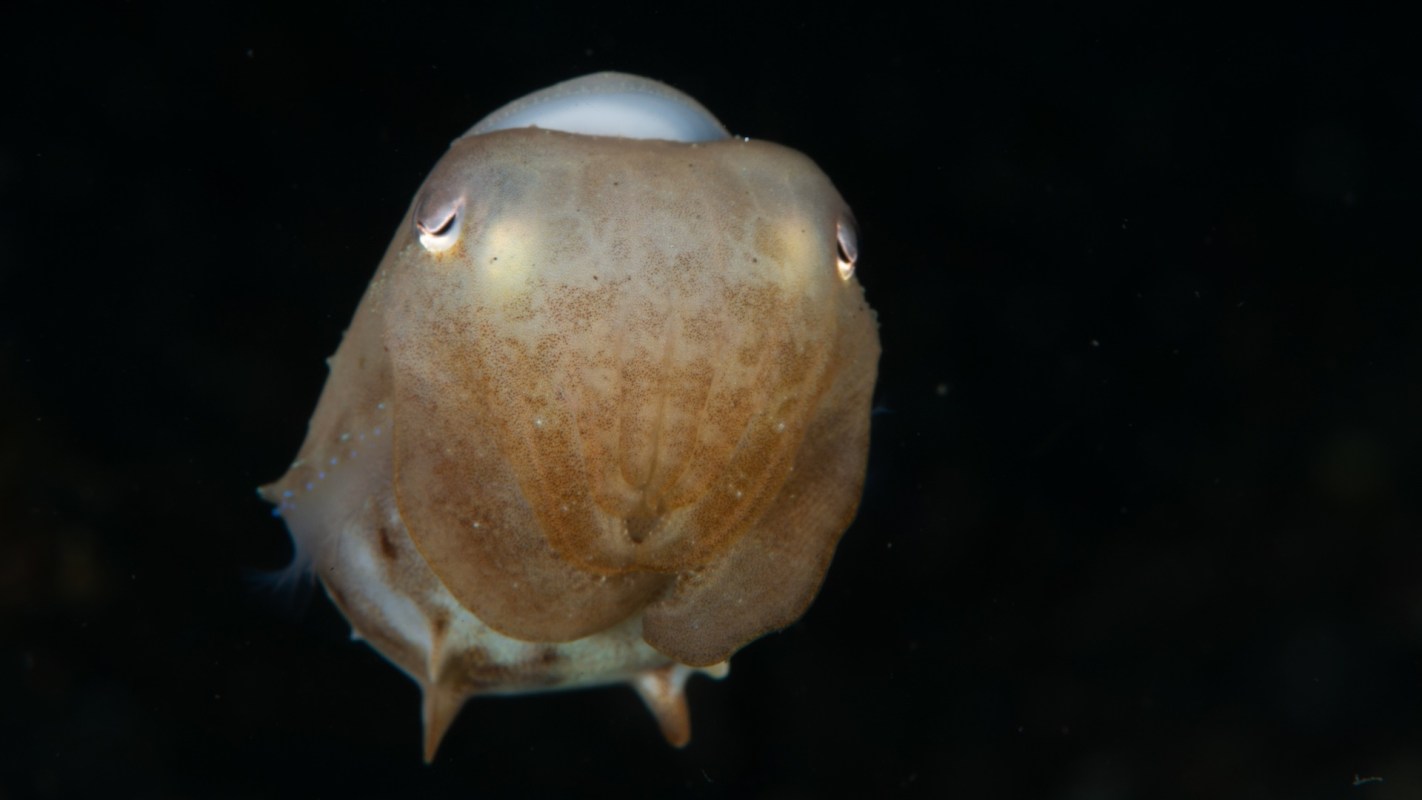
A monthlong Arctic mission has given a striking face to what could be at stake in the battle over deep-sea mining: a rare Dumbo octopus drifting above a little-understood seabed near Norway.
The livestreamed expedition also documented sponges, hydrothermal vents, and other fragile marine life in an area that could one day be tapped for critical minerals.
What happened?
To understand what lives in a part of Norway's Arctic seafloor now being weighed for mineral extraction, an international team of scientists spent a month surveying the region, according to Euronews. They used remotely operated vehicles to examine seamounts and hydrothermal vents at depths of up to 3,000 meters (9,843 feet).
Greenpeace broadcast the expedition live, attracting more than 450,000 viewers across social platforms. One of the most memorable animals caught on camera was a rare Dumbo octopus, which served as the mission's mascot.
More than 400 sponge samples were collected during the survey, and some of the species observed could be new to science. Norway opened the area to deep-sea mining in 2024, but exploration has been paused until at least 2029 following backlash from activists, researchers, fishing communities, and political opposition.
Supporters of deep-sea mining say the seabed may contain cobalt, nickel, and rare earth elements used in batteries, electric vehicles, and other cleaner technologies. Critics argue that the potential harm to the ocean floor remains too poorly understood.
TCD Picks » Quince Spotlight
💡These best-sellers from Quince deliver affordable, sustainable luxury for all




Why does it matter?
It reflects a growing tension in the shift to cleaner energy: how to secure the materials needed for new technologies without destroying ecosystems that scientists are only beginning to understand.
Deep-sea habitats are especially vulnerable because many of the organisms living there grow slowly, live for long periods, and may struggle to recover if their environment is disturbed. Damage to ocean ecosystems can ripple outward to fishing communities, food systems, biodiversity, and the overall health of marine environments that help regulate the planet's climate.
Earth's warming is worsening the pressure. Many deep-sea invertebrates depend on chilly, stable water and on calcium-based structures that are increasingly threatened as oceans warm and acidify. Moving too quickly into seabed mining could swap one environmental problem for another, rather than building a truly responsible clean-energy supply chain.
What's being done?
Mining exploration in the surveyed area is paused until at least 2029, giving scientists and policymakers more time to assess what is living there and what could be lost, according to Euronews.
Over the next few months, researchers will analyze the samples and footage gathered on the expedition, with the findings expected to help shape proposals for marine protected areas in Norwegian waters.
Once industrial activity begins on the deep seabed, it can be difficult — or even impossible — to reverse the damage, especially in ecosystems that recover slowly.
As Euronews quoted University in Bergen researcher and expedition participant Anne Helene Tandberg: "Very many of the species are long-lived and don't produce very many offspring, so if something happens, they have very little [capacity for] restitution."

Get TCD's free newsletters for easy tips, smart advice, and a chance to earn $5,000 toward home upgrades. To see more stories like this one, change your Google preferences here.






