


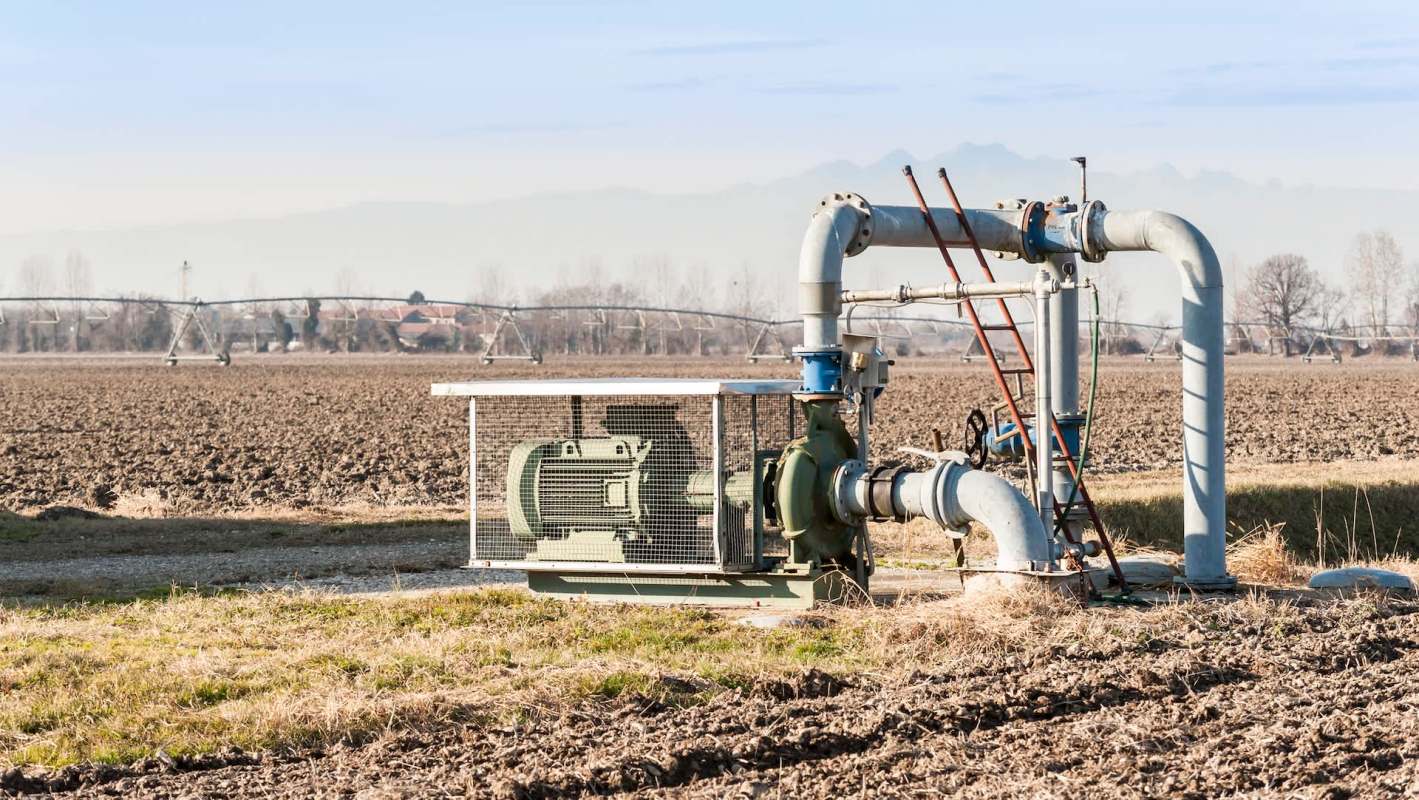
A dispute over groundwater nearly pushed Apple Valley, Utah, into a shortage of drinking water when an agricultural well began drawing from the same aquifer used by the town's residents.
For the moment, the worst appears to have passed. Town officials credit emergency well work, aggressive water-saving by residents, and a farmer's decision to stop using his irrigation pivot, though they say Apple Valley is still vulnerable.
What happened?
In mid-June, the town saw a sharp drop in its municipal well levels. According to The Salt Lake Tribune, the change came after a local alfalfa grower reworked an irrigation well to pull from deeper underground and started up a large pivot sprinkler. Residents soon said air was coming out of their faucets — a sign the water system was losing pressure.
Drought had already reduced the shallow surface water available for the farmer's field, leading him to obtain permission for a deeper agricultural well, The Salt Lake Tribune reported.
Mayor Mike Farrar said the farmer "did everything legally," but the new depth appears to have connected with the same aquifer that supplies Apple Valley's drinking water.
Town officials responded by suspending most outdoor irrigation and urging the community's roughly 950 residents to keep baths and showers brief. After the farmer permanently shut off the pivot, the aquifer recovered enough for storage tanks to stay full, allowing some limits to be relaxed.
TCD Picks » Quince Spotlight
💡These best-sellers from Quince deliver affordable, sustainable luxury for all




Why does it matter?
Water troubles are familiar in Apple Valley. According to The Salt Lake Tribune, a pump failure in 2023 left Cedar Point households without service for several days. Testing in early 2024 also found cancer-causing radium in that system, leading to a major pipeline project to link Cedar Point with safer water from the town center.
For perspective, Cedar Point resident Lindsay Heaton told The Salt Lake Tribune this episode "hasn't been as bad" as the previous outage. "Back then, we had the Red Cross bring in water bottles for everybody."
What's being done?
So far, the town has invested about $150,000 into cleaning its two municipal wells and extending their pipes deeper into the aquifer to improve water production. The Utah Division of Drinking Water has also offered a $200,000 interest-free loan, although Farrar has said he is reluctant to add more debt.
At the same time, officials are trying to reimburse the farmer for his drilling expenses after he agreed to stop using the irrigation system that had been worsening the draw on the aquifer. Recreational outdoor watering remains prohibited, but residents can lightly water gardens and fruit trees, preferably overnight.
Some people had begun conserving even before the town made the rules official. Apple Valley resident Tammy Warner told The Salt Lake Tribune she saves runoff from her roof and had already quit watering trees during the drought.
Looking further ahead, Apple Valley wants to apply $2 million in federal funding — obtained with help from Utah Rep. Celeste Maloy — to locate and develop another nearby supply. The aquifer is also being studied by the Washington County Water Conservancy District and the U.S. Geological Survey, although early signs suggest the results may not be reassuring.

Get TCD's free newsletters for easy tips, smart advice, and a chance to earn $5,000 toward home upgrades. To see more stories like this one, change your Google preferences here.






