


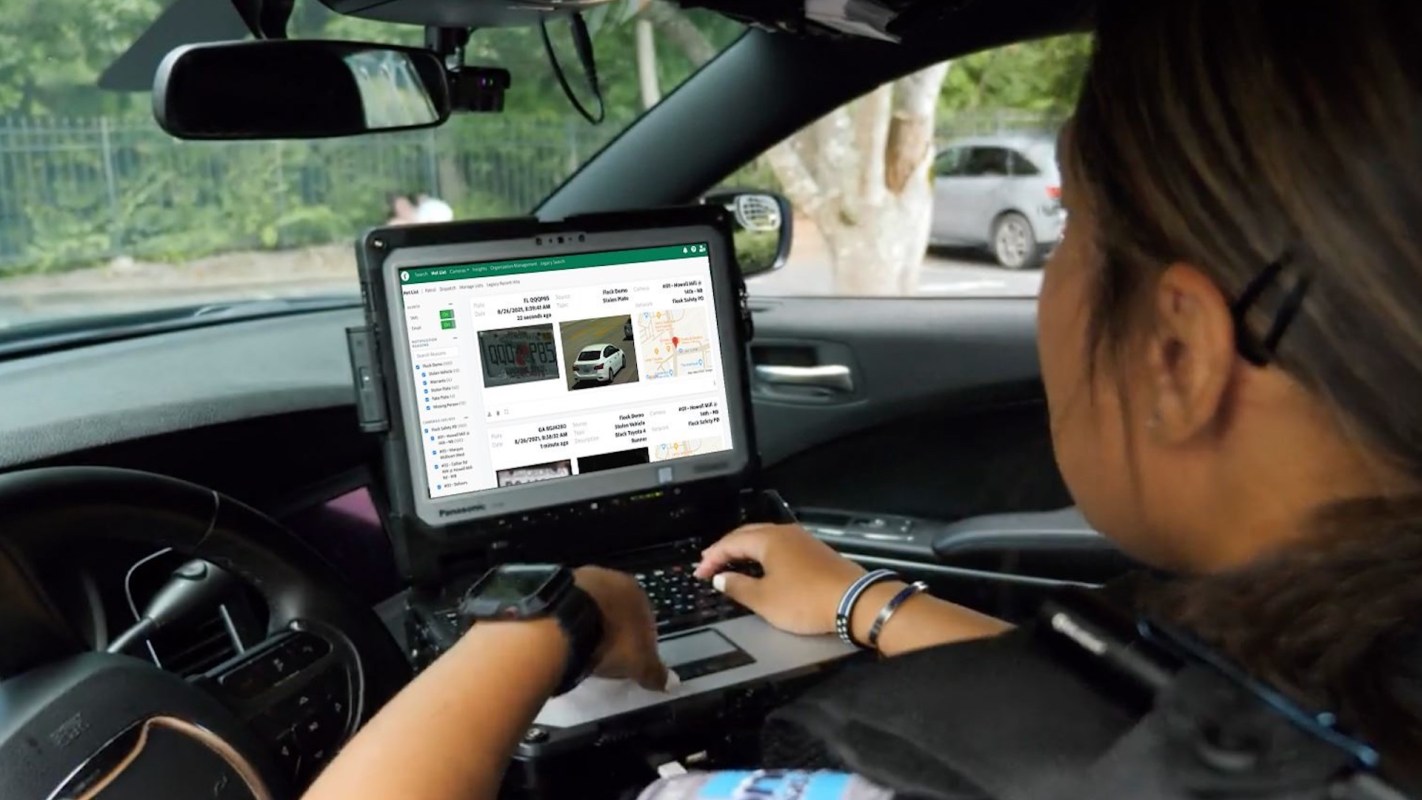
Santa Cruz banned Flock Safety cameras earlier this year, and the grassroots group behind that win is now taking its fight across the Bay Area.
Get the Flock Out, the grassroots group that helped the city of Santa Cruz cancel its contract with Flock Safety, is now helping kick off a Bay Area week of action against automated license plate readers.
What's happening?
An Aug. 16 rally at the Santa Cruz County courthouse will open the region's week of action against automated license plate readers, with Get the Flock Out leading the kickoff, according to Lookout Santa Cruz.
Organizers say the event has two aims: mark Santa Cruz's decision to cancel its Flock Safety camera contract and spotlight the nearly 50 cameras that remain active in Capitola and Watsonville.
One spark for the campaign came when mayoral candidate Ami Chen Mills told Watsonville resident and organizer Lourdes Barraza that more than 20 Flock cameras had been installed around Watsonville.
For Barraza, that discovery immediately raised concerns about the city's large immigrant population.
TCD Picks » Quince Spotlight
💡These best-sellers from Quince deliver affordable, sustainable luxury for all




"The first thing that came to my mind is, why do we have so many? We have an immigrant population," she said.
Police departments often present automated license plate readers as tools that can help deter crime and identify vehicles tied to investigations. Privacy advocates, however, including the American Civil Liberties Union, say the systems can create vast records of people's movements with too little oversight and too much room for misuse.
Why does it matter?
Flock's technology logs license plates and uses artificial intelligence-powered tools to create searchable records tied to vehicle movement. Critics are concerned about how that data could be shared and who it might ultimately target.
In communities with large immigrant populations, those worries can be especially intense. Barraza said she found that local Flock data had previously been accessed through requests from federal and out-of-state law enforcement agencies connected to U.S. Immigration and Customs Enforcement.
In Watsonville, immigrants made up 35% of the population in 2024.
Critics also say the risks are not always fully explained when these systems are introduced to the public.
"A lot of the time, Flock cameras get sold to us as a thing that helps with safety: 'It's going to reduce crime, it's going to help the police,'" Barraza said. "But then, they don't tell you all the negative things that come with it, like how many police officers have violated that trust by using Flock cameras for things they shouldn't be, that they're easily hackable, that anybody can be looking at you from anywhere without you even knowing."
What's being done?
Nearly 50 people spoke out against Watsonville's contract renewal at a City Council meeting, but the council still voted 5-2 to renew Flock for two years. The campaign kept building anyway, and the Santa Cruz City Council ended the city's contract in a 6-1 vote.
That move made Santa Cruz the first city in California to prohibit Flock readers. It also helped grow Get the Flock Out into a wider Bay Area coalition.
Manny, an immigrant and speaker at the rally who shared only his first name, said people should learn to recognize the cameras, know where they are installed, and understand how the technology works so they can avoid those areas when possible.
"The two cameras will know that it's the same person," Manny said.

Get TCD's free newsletters for easy tips, smart advice, and a chance to earn $5,000 toward home upgrades. To see more stories like this one, change your Google preferences here.







