Scientists are warning that something is badly out of step in Antarctica: in the middle of what should be the continent's deep winter, temperatures climbed above 15 degrees Celsius (59 degrees Fahrenheit), an extraordinary level for this time of year.
What happened?
Argentina's Esperanza base on the Trinity Peninsula reached 15.4 degrees Celsius (59.7 degrees Fahrenheit) on June 6, beating the earlier winter mark there by 2 degrees, The Guardian reported.
During the heat wave, the day's highest temperatures stayed above 0 degrees Celsius (32 degrees Fahrenheit) for three weeks in a row.
According to The Guardian, scientists linked the event to unusually warm northerly winds sweeping across much of the Antarctic Peninsula.
Raúl Cordero, a climate professor at the University of Groningen, described just how unusual the event was.
"This is absolutely crazy. It is also about 20C above normal for this time of the year. That is a huge anomaly," he said.
TCD Picks » Quince Spotlight
💡These best-sellers from Quince deliver affordable, sustainable luxury for all




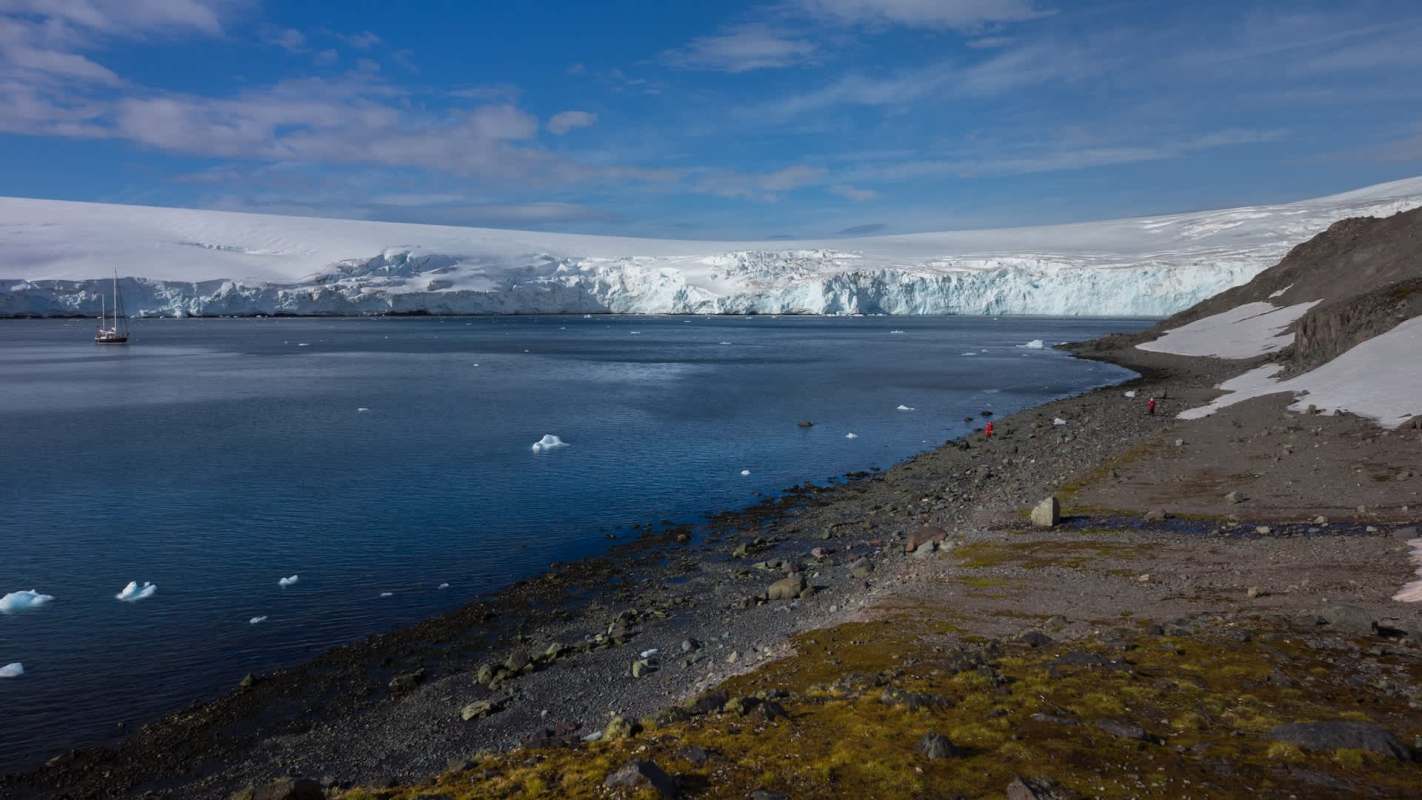
The effects were already visible on the ground. On King George Island, about 100 miles from Esperanza, researchers said the scenery shifted from mostly white to brown, gray, and green after the temperature reached 4.6 degrees Celsius (40.2 degrees Fahrenheit).
Why does it matter?
Because Antarctica holds so much ice, changes there influence sea levels worldwide and affect broader ocean systems.
Major glaciers such as Thwaites and Pine Island could be close to, or past, tipping points that might eventually add four meters (13.1 feet) to sea levels. Melting Antarctic ice has also been associated with weaker global ocean circulation.
Rising seas can flood homes and infrastructure, stronger heat waves can intensify health threats, and climate-driven disruptions can damage fisheries, tourism, agriculture, and local economies.
What are people saying?
Luis Muñoz, a Chilean glaciologist, described the conditions in stark terms: "Last weekend was very strange. The temperatures here went very high so everything outside melted."
He added that rain was even melting ice on Collins glacier at a time when it "should be receiving snow now."
Cordero also cautioned that one winter heat wave alone may not sharply change sea levels, but it signals a broader climate trend associated with climate change.
"This heatwave happened because of extremely strong westerlies," he said. "This has been happening with increasing frequency since the 1980s, and that is known to be related to climate change."

Get TCD's free newsletters for easy tips, smart advice, and a chance to earn $5,000 toward home upgrades. To see more stories like this one, change your Google preferences here.