


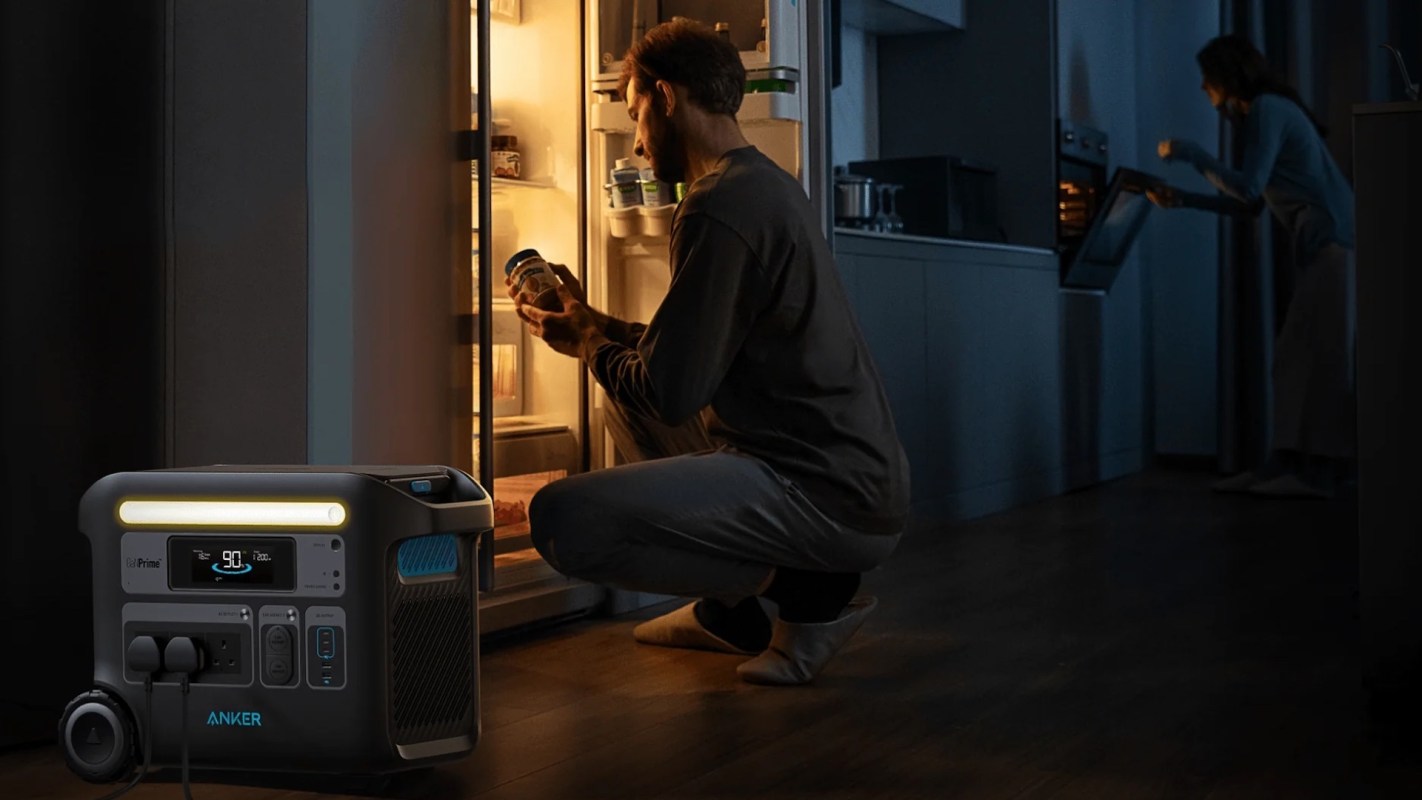
Battery size is often the first number shoppers look at when comparing portable power stations. But Anker SOLIX said that figure alone may not tell the whole story, especially when backup power is being used for the small, low-watt devices that matter most during an outage.
Adding battery storage is one of the best ways to protect your home during outages, save on energy costs, and even support a more off-grid lifestyle. If you are weighing home backup options, it may be worth exploring EnergySage's free tools to learn about home battery storage, including competitive installation estimates.
Here's what to know
In comments cited by Digital Trends, Anker said advertised efficiency numbers for many portable power stations usually come from high-draw testing, where results often land around 89% to 92%. The company said that benchmark can be misleading because it does not necessarily reflect how people use the devices day-to-day.
For outage backup, the typical job is to power a few basics rather than run a sustained heavy load. Devices such as routers, CPAP machines, and refrigerators that cycle on and off tend to draw power more lightly and less steadily.
Anker told Digital Trends that once demand drops, many conventional units operate at only about 70% to 80% discharge efficiency. That means a 2-kilowatt-hour station may provide much less usable power than buyers expect after accounting for conversion losses and the unit's own energy use.
For homeowners thinking beyond portable units, EnergySage has teamed up with the electrification brand Qmerit to guarantee you get the best price on home battery storage solutions. Another option is Pila, which offers plug-and-play batteries priced at a fraction of the cost of a whole-home backup system.
Why does this matter?
The issue is becoming more important as backup batteries are used increasingly for resilience, not just recreation. More households want a way to keep food cold, medical equipment running, phones charged, and internet service available when severe weather or grid disruptions cut the power.
Anker said its OptiSave 2.0 system aims to reduce losses by changing inverter operation based on the connected device. A microwave can still get full output, while lighter loads like routers or CPAP machines can run at a lower inverter frequency more efficiently.
Save $10,000 on solar panels without even sharing your phone number Want to go solar but not sure who to trust? EnergySage has your back with free and transparent quotes from fully vetted providers in your area. To get started, just answer a few questions about your home — no phone number required. Within a day or two, EnergySage will email you the best options for your needs, and their expert advisers can help you compare quotes and pick a winner. Solar panels can save you more than $50k over their 25-year lifespan, and EnergySage can help you save as much as $10k on installation. Which begs the question — isn't that worth an email or two? |

The company said its Smart Standby Mode is designed for appliances that cycle on and off. When a refrigerator compressor shuts off, for example, the station can lower its standby draw and then wake again within milliseconds when power is needed.
That kind of efficiency could help stretch backup time without forcing people to buy a bigger, more expensive battery. It could also let households and businesses get more usable power from the storage they have already paid for.
What can be done?
Battery capacity alone does not show how a power station performs across different loads. A large number on the box does not automatically translate to longer runtime for low-power essentials.
Anker said its S Series reaches 88% discharge efficiency at 100 watts and 96% at 400 watts. Anker also said idle consumption has been reduced by as much as 50% compared with competing products, with its S2000 using about 6 watts while idle, compared with the 15 to 20 watts it said is typical for other 2-kilowatt-hour models.
Battery storage remains one of the smartest tools for making homes more resilient and potentially lowering energy costs over time. Anker's push centers on what a battery actually delivers rather than the number printed on the label: "up to 20% longer runtime than competing power stations with the same advertised battery capacity."

Get TCD's free newsletters for easy tips, smart advice, and a chance to earn $5,000 toward home upgrades. To see more stories like this one, change your Google preferences here.







