


A Reddit post is drawing renewed scrutiny to how children's games can blur the line between entertainment, shopping, and chance-based spending.
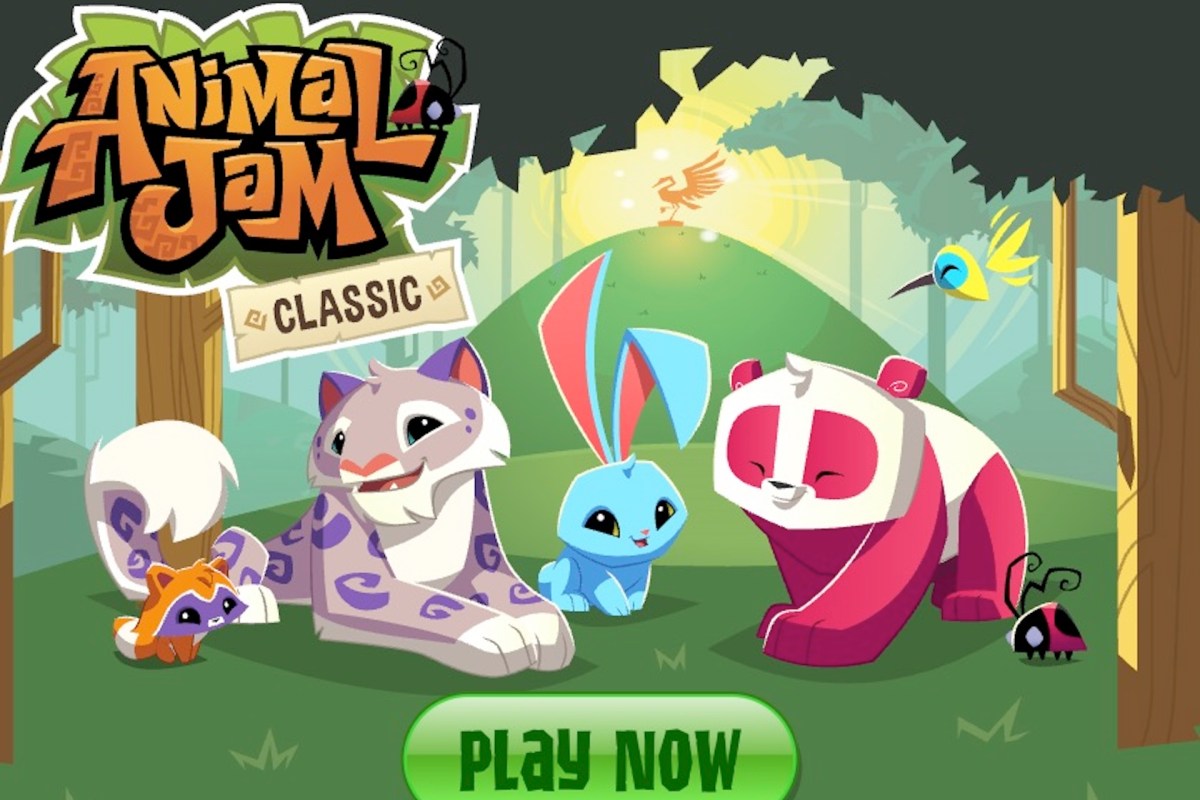
This time, the criticism is aimed at Animal Jam, with players and parents accusing the game of turning online trends and randomized paid rewards into a consumer pipeline for kids.
In a post shared on Reddit's r/Anticonsumption forum, one user argued that the game promotes overconsumption through paid random rewards and trend-driven virtual items.
The post focused on features such as "wish tokens," which the user compared to loot boxes because players spend real money without knowing exactly what they will receive.
The original poster also alleged that rare in-game items are being sold for cash outside the game and said developers have introduced accessories modeled after TikTok trends such as Labubu dolls and Stanley tumblers.
In their view, that connects a children's game to the same hype-driven buying behavior already dominating parts of social media culture. While the poster later deleted their account, the comments about their perspective remain, and there are YouTube videos that cover the concern at greater length.
TCD Picks » Quince Spotlight
💡These best-sellers from Quince deliver affordable, sustainable luxury for all




Commenters largely echoed the concerns.
"I think every live service game is a gambling game for kids," one person wrote.
"There are tons of thing[s] that encourage kids to gamble," another added. "Pokémon cards (not that they can pry them from the hands of scalpers) and blind boxes are more and more prevalent these days."
The biggest issue raised in the thread is not just screen time — it is what children may be learning about money and spending habits.
Critics argue that when games encourage repeated purchases for randomized rewards, they can normalize the idea that paying for another chance is simply part of having fun.
That concern has become increasingly common as many modern games move away from one-time purchases and toward constant microtransactions, rotating digital collectibles, and limited-time rewards designed to keep players engaged and spending.
There is also a broader overconsumption issue tied to fast-moving internet trends. By borrowing aesthetics and products popular on TikTok and other platforms, games can reinforce the same buy-now mindset that fuels waste in the physical world.
The original poster pointed to trends such as Labubu dolls and Stanley cups as examples, arguing that once hype fades, many products end up discarded, generating unnecessary plastic waste and clutter.
Even when the items inside a game are entirely digital, critics say the messaging can still spill into real life.
Families may face constant requests for add-ons, exclusive cosmetics, or virtual collectibles, while children absorb the idea that rarity and exclusivity increase value.
For parents and caregivers, one immediate step is reviewing a game's in-app purchase settings. Requiring passwords for purchases, disabling transactions entirely, or removing saved payment information can reduce impulse spending quickly.
It can also help to explain how randomized rewards work. Simple conversations about marketing tactics, odds, and why "rare" items feel exciting may help children better recognize these systems.
Some families may also prefer games with upfront pricing and no in-app purchases instead of titles built around ongoing spending.
And sometimes, the most effective option is the simplest one: deleting the app.
Players and parents concerned about these mechanisms can also leave app-store reviews or report problematic monetization systems to help other families make informed decisions.

Get TCD's free newsletters for easy tips, smart advice, and a chance to earn $5,000 toward home upgrades. To see more stories like this one, change your Google preferences here.






