


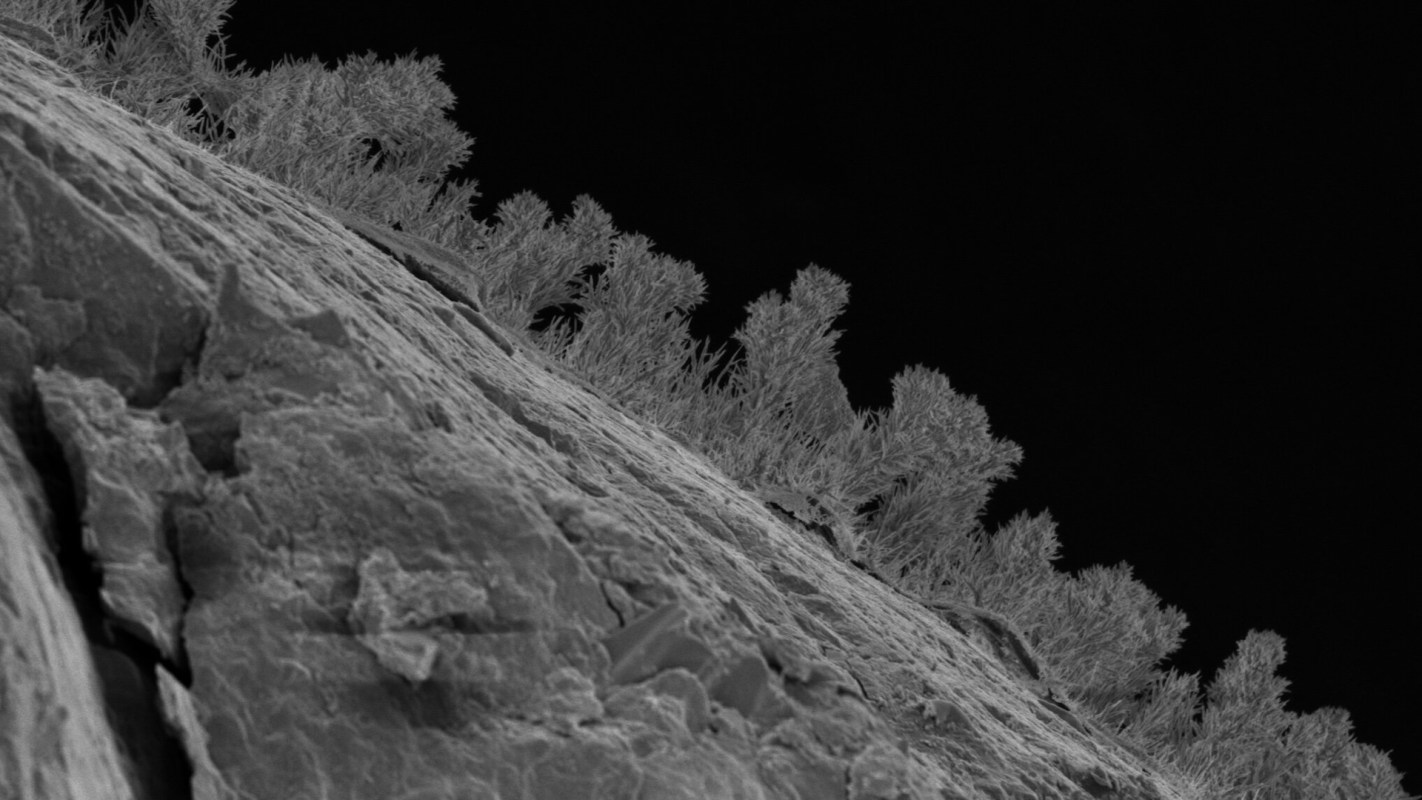
Life deep underground may be far richer than scientists once imagined, with a new study finding that ancient water moving through rock beneath Michigan is packed with fungi and even supports tiny animals such as tardigrades and worms hundreds of feet below the surface.
What's happening?
At gas wells tapping the Antrim Shale beneath much of the Great Lakes region, University of Michigan researchers analyzed water brought up from about 650 to 1,640 feet below the surface. As Phys.org reported, the samples contained much more fungal life than the team had expected.
Combining microscopy with genetic analysis, the researchers estimated that one drop of the underground water held about 250 fungal cells, roughly similar to a drop of ocean water. The paper, led by University of Michigan doctoral candidate Quinn Moon and published in The ISME Journal, also identified 689 distinct fungal species — 13 of them previously undescribed.
Additionally, the team detected tardigrades — also called "water bears" — along with tiny segmented worms, suggesting the deep subsurface is home to a functioning food web and not just a place where microbes persist.
"Our study challenges the idea that it's inhospitable for more complex life like fungi in the deep subsurface, and under favorable conditions, eukaryotes can be quite abundant," Moon said.
Why does it matter?
This discovery could reshape how scientists think about life on Earth and about carbon stored underground.
TCD Picks » Quince Spotlight
💡These best-sellers from Quince deliver affordable, sustainable luxury for all




Isotope evidence suggests the water likely came from glaciers melting near the end of the last Ice Age, and Moon said some of it "was last in contact with the surface 11,000 years ago." The researchers think fungi and bacteria may have traveled downward into fractured rock and started feeding on ancient organic material trapped there.
Carbon buried underground may be less inert than scientists have assumed. If fungi and other organisms are turning that ancient material into gases such as methane and carbon dioxide, these hidden ecosystems could have a larger role in Earth's carbon cycle than previously understood.
The findings ultimately bring hope that Earth still holds major biological mysteries in places once assumed to be nearly lifeless.
What's being done?
The researchers are now building tools that could help other scientists study this underground world in greater detail.
To support that work, the team isolated and cultivated more than 200 kinds of fungi from the deep subsurface, establishing what the University of Michigan says is the first public collection of deep subsurface fungi. The collection, now housed at the University of Michigan Herbarium, can be used in future research on extreme life, underground ecosystems, and carbon cycling.
Senior author Tim James, curator of fungi at the University of Michigan Herbarium and professor of ecology and evolutionary biology, said the work points to a gap in how scientists measure planetary biodiversity and model carbon movement.
"Fungi need to be incorporated into models of carbon cycling and sequestration in the subsurface," James said. "Many fungi possess adaptations that allow them to grow and influence the carbon dynamics deep in the Earth."
According to Moon, environments like this may exist well beyond Michigan, particularly in deep rock formations associated with oil and gas reservoirs. "The discovery opens a window into a world that is dark, ancient, and almost entirely hidden — but is far from lifeless," he said.

Get TCD's free newsletters for easy tips, smart advice, and a chance to earn $5,000 toward home upgrades. To see more stories like this one, change your Google preferences here.






