


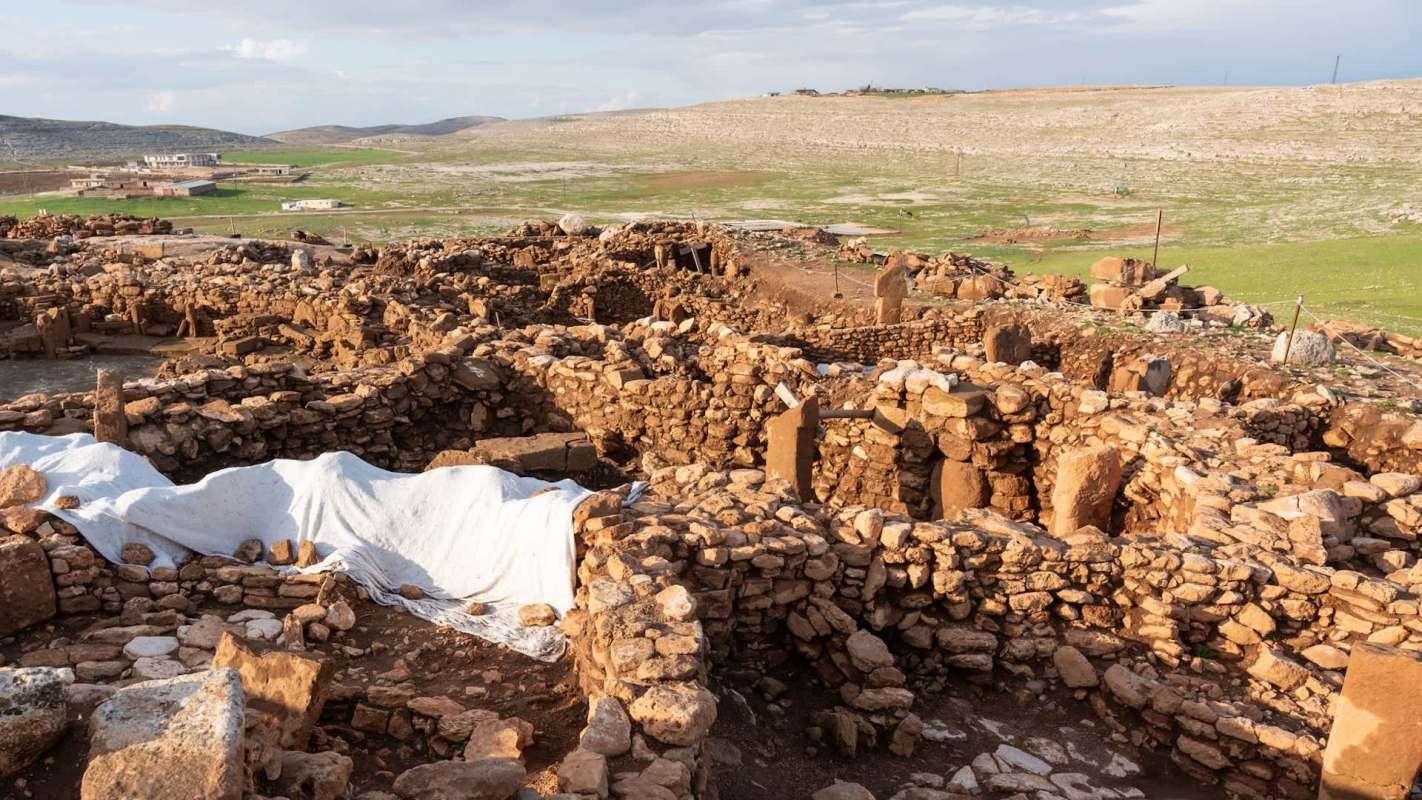
A 2,200-year-old stone stele uncovered beside an old route in western Turkey is giving archaeologists a notable new clue about a long-lost sacred site — and a clearer view of how people once lived, moved, and worshipped across the fertile region of Lydia.
The artifact, a broken votive stele depicting Kybele, the ancient Mother Goddess, was discovered in Çayağzı village in İzmir's Kiraz district, Arkeonews reported. The discovery is the focus of a new study by researcher Ali Özkan.
A 2,200-year-old Mother Goddess stele found near an ancient road in İzmir may point to a lost rural Hellenistic sanctuary, alongside a tomb and fortifications.https://t.co/SMnJXCK1Ki#Archaeology #Hellenistic #Turkey pic.twitter.com/7loOiH1bl4
— De Antiquis (@DAntiquis) May 18, 2026
Together with a nearby Hellenistic tomb and two defensive structures at Karaburç and Çayağzı, the finding suggests that this rural landscape was far more connected and culturally active during the Hellenistic period than previously recognized.
That is significant because Kiraz has seen limited excavation, meaning even a single discovery can alter the historical picture. In this case, the weathered stele appears to show Kybele in long garments, likely a chiton and himation, with lions at her sides. Researchers say the piece matches the "Ephesos type" of Kybele votive stele, and date it broadly to the third or second century BCE.
What makes the discovery especially striking is its setting: not in an urban temple, but in a countryside spot by a stream, along an old route from Kiraz toward modern-day Alaşehir, as Arkeonews describes.
That location has led researchers to propose that the site may once have hosted an open-air sanctuary dedicated to Kybele, whose worship was linked with mountains, fertility, untamed landscapes, and protection.
TCD Picks » Quince Spotlight
💡These best-sellers from Quince deliver affordable, sustainable luxury for all




The wider cluster of finds adds to that picture. The two Hellenistic fortifications suggest the valley was strategically watched, while the tomb and votive monument point to religious life unfolding alongside travel. Taken together, they indicate that the Küçük Menderes Valley was not simply a corridor between larger centers, but a populated, guarded, and spiritually meaningful landscape in its own right.
Discoveries like this matter beyond archaeology. For local communities, they can reinforce cultural identity, support heritage tourism, and encourage investment in protecting historic sites.
For the wider public, they serve as a reminder that rural places — not only famous urban ruins — preserve important records of human history. And for the surrounding landscape, renewed attention can help safeguard the streams, hillsides, and ancient pathways that shaped life there thousands of years ago.

Get TCD's free newsletters for easy tips, smart advice, and a chance to earn $5,000 toward home upgrades. To see more stories like this one, change your Google preferences here.






