


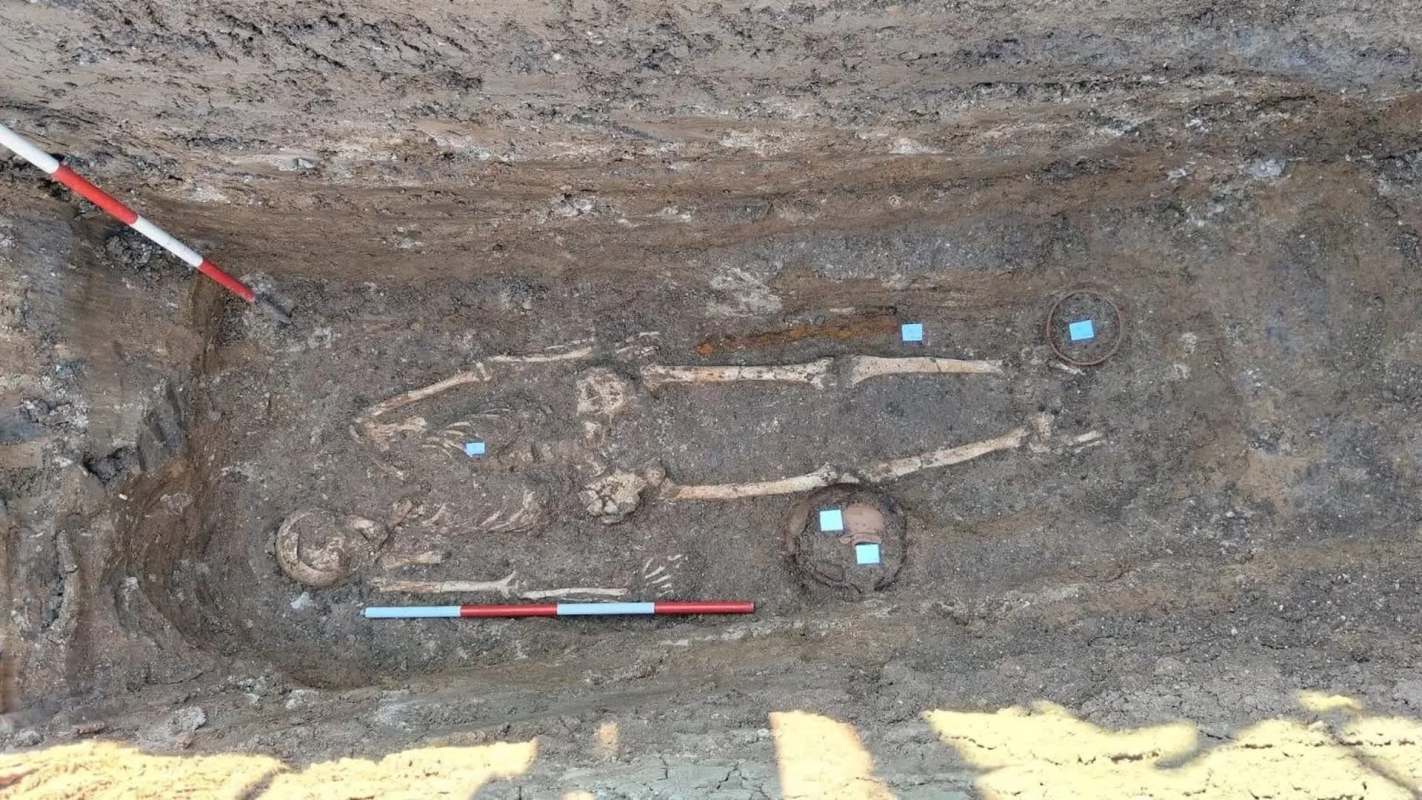
A solar project in Italy has led to an unexpected discovery buried deep beneath the future energy infrastructure: a sprawling pre-Roman necropolis dating back more than 2,300 years.
The find, made during early work connected to a photovoltaic plant near Vasto, also shows how today's clean energy projects can help uncover — and protect — pieces of the distant past.
What happened?
According to Arkeonews, archaeologists uncovered the burial ground in the Punta Penna industrial area of Vasto, in southern Abruzzo, during preventive investigations required before construction of a new solar installation could proceed.
The local heritage office for Chieti and Pescara said the site appears to date to the fifth and fourth centuries B.C., before Rome fully absorbed this stretch of the Adriatic coast. Officials described it as a "large funerary nucleus" with many graves linked to Italic groups in southern Abruzzo.
In photos shared by Italy's Ministry of Culture, several types of graves are visible, including stone-filled pits, burials laid on tile beds, and a tile-cist burial with a bronze belt; archaeologists also recovered ceramics, ornaments, and metal objects associated with funerary rituals. The Soprintendenza Archeologia, Belle Arti e Paesaggio, said the research is still "at an early stage," per Arkeonews, and one newly uncovered structure has not yet been fully interpreted.
Why does it matter?
The discovery stands out not only because of its age, but also because burial sites can reveal details that ancient settlements often cannot. Grave goods and burial styles can help researchers better understand social status, identity, trade connections, and cultural traditions among the Italic peoples who lived in the area before Roman rule transformed it.
TCD Picks » Quince Spotlight
💡These best-sellers from Quince deliver affordable, sustainable luxury for all




It also underscores the importance of preconstruction archaeology. Without those required checks, the necropolis could have been damaged or lost before experts had a chance to document it. In this case, a renewable energy project and heritage protections worked hand in hand: The solar development prompted the investigation, and archaeologists were able to preserve a meaningful piece of local history.
With thoughtful planning, communities can expand infrastructure while also protecting the landscapes — and stories — already buried beneath them.
What are people saying?
Officials have been notably cautious in discussing the discovery. The soprintendenza said the excavation was not publicized earlier for reasons of "site protection and artifact security," per Arkeonews.
An additional study backed by Italy's Ministry of Culture is expected to better define the necropolis' size, layout, and dating.
Some of the most important finds are expected to be displayed in a new museum route at Palazzo d'Avalos in Vasto, helping keep the discovery tied to the place where it was found.

Get TCD's free newsletters for easy tips, smart advice, and a chance to earn $5,000 toward home upgrades. To see more stories like this one, change your Google preferences here.






