


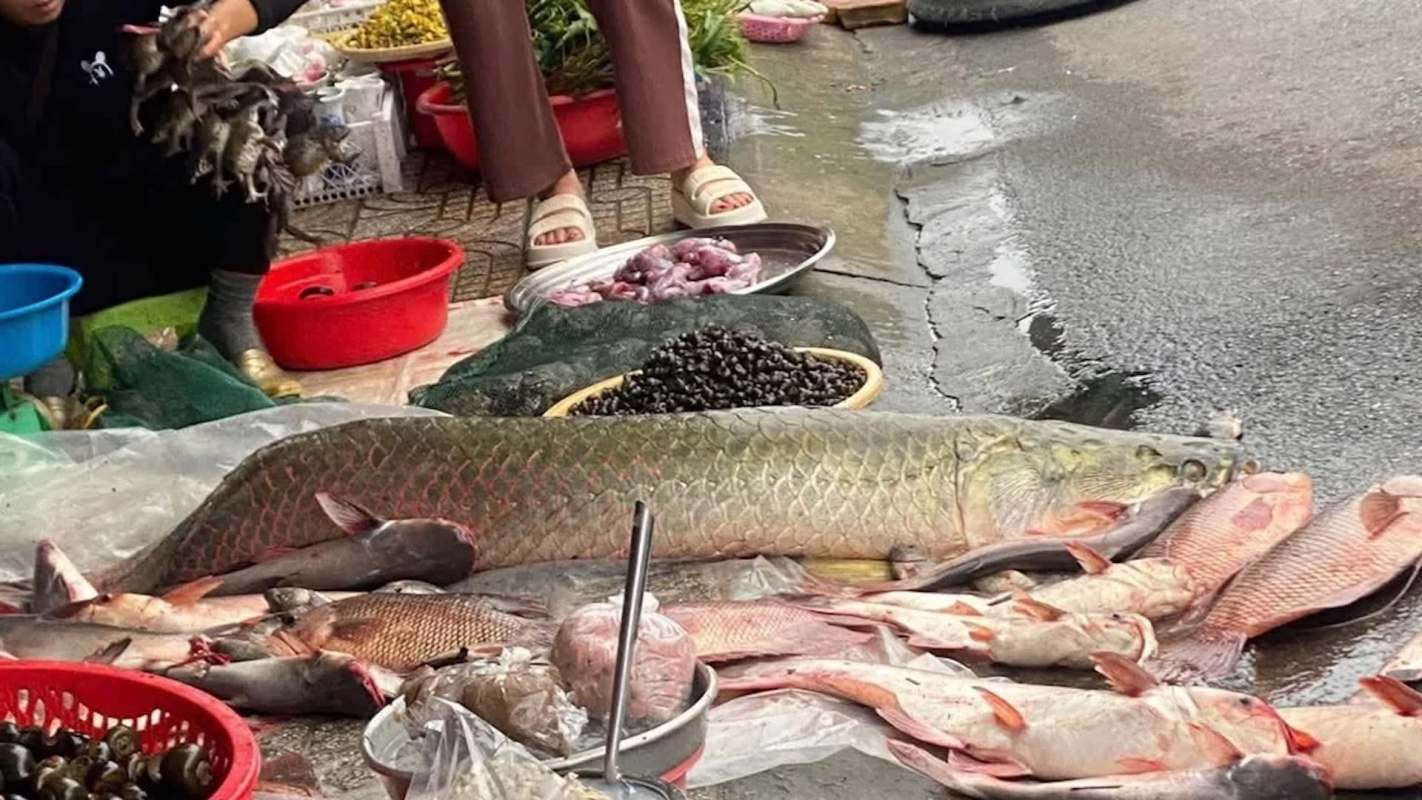
A giant fish native to the Amazon has reportedly turned up in Vietnam, and one local says the sighting is raising uncomfortable questions about what may already be living in the country's waterways.
The catch, a massive arapaima, has sparked fears that this may not be a one-off escape but rather part of a larger invasive-species problem.
What happened?
In a Reddit post, a user from Vietnam said they were shocked to see an Amazonian arapaima reportedly caught in Vietnamese waters, especially after years of noticing other nonnative fish in the country.
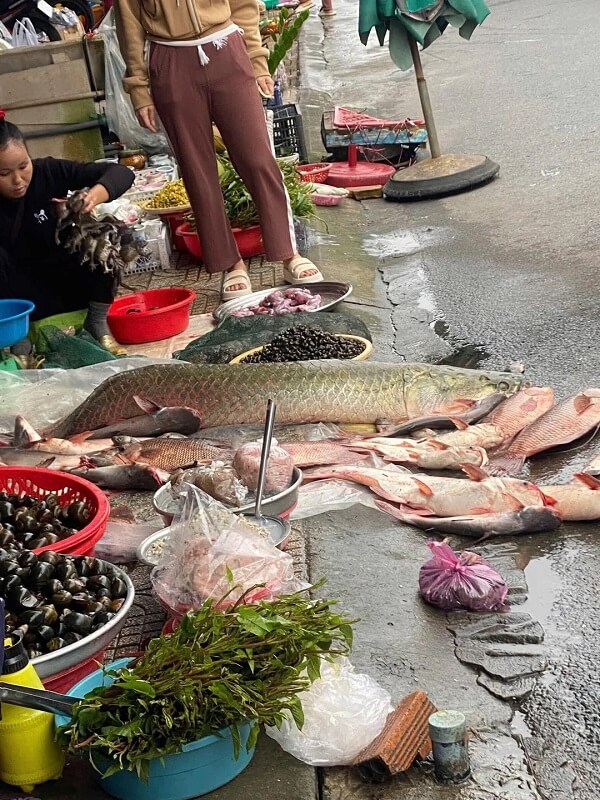
The photo attached to the post shows a street vendor selling produce and fish, with the arapaima in the center of the shot.
The original poster wrote, "I'm from Vietnam and like 10 years ago i already saw invasive alligator gar up in the mountainous region of north Vietnam, but i never expect to see something like an arapaima."
The same post raised concern about another fish as well, noting that they'd been told there are also redtail catfish in the area.
TCD Picks » Quince Spotlight
💡These best-sellers from Quince deliver affordable, sustainable luxury for all




Arapaima are among the largest freshwater fish in the world and can grow to enormous sizes, meaning a surviving population could have an outsized impact on local ecosystems.
It remains unclear whether this fish was a lone escapee or evidence of a breeding population.
Why does it matter?
When a giant nonnative predator appears far from its home range, human activity is often the likely cause. Exotic fish can end up in new waterways through the pet trade, intentional release, private ponds, or aquaculture escapes.
If fish such as arapaima, alligator gar, or red tail catfish establish themselves, the consequences can spread quickly. Large invasive fish compete with native species for food, prey on smaller animals, disrupt food webs, and impose new pressures on fishers and communities that depend on healthy waterways. And because their native predators don't exist in their new location, they can spread quickly with very little effort.
Once an invasive species becomes established, it can be costly and, in some cases, nearly impossible to remove.
This can affect local ecosystems, food supplies, and fisheries management, especially if early sightings are brushed aside until the problem becomes too large to contain.
What's being done?
Fisheries officials, aquatic ecologists, and local authorities would need more evidence to determine whether the fish was released recently, escaped from captivity, or survived in the wild for a meaningful period.
Not releasing unwanted pets or captive fish into lakes, ponds, or rivers remains critical. Even species that seem unlikely to survive can sometimes persist, grow, and disrupt local habitats in ways that are difficult to predict.

Get TCD's free newsletters for easy tips, smart advice, and a chance to earn $5,000 toward home upgrades. To see more stories like this one, change your Google preferences here.






