


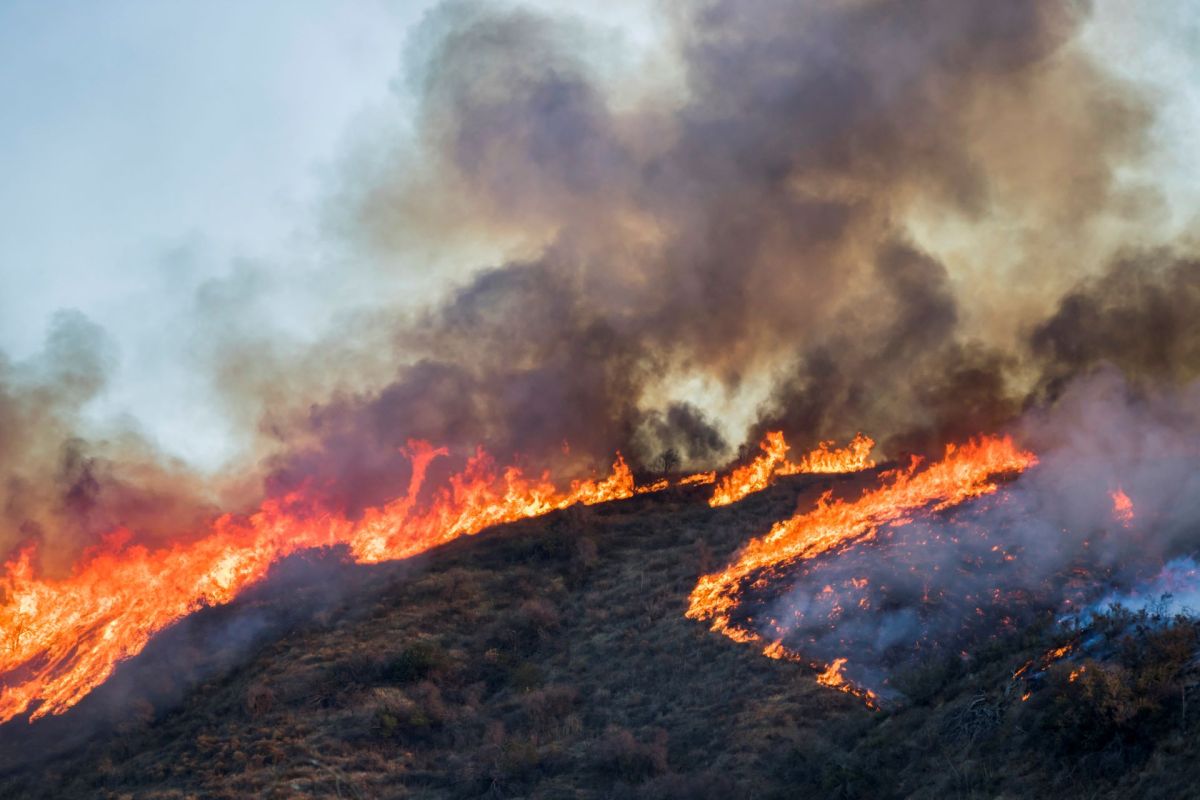
California now uses over 1,000 smart cameras to watch for wildfire smoke, often detecting blazes before anyone reports them by phone, according to Phys.org.
The ALERTCalifornia program operates from the University of California San Diego with 1,211 cameras positioned on peaks and tall structures across the state. These devices replace the human fire spotters who once staffed lookout towers throughout the American West.
Each camera completes a full rotation twice every four minutes while capturing images around the clock. Software added in 2023 allows the system to identify smoke automatically and alert emergency dispatchers.
On clear days, the cameras detect smoke from fires burning as far as 60 miles away. At night, infrared sensors extend that range to 120 miles.
"We measure success in all the times that we respond and put out the fires that you never hear about," said Brian York, deputy chief for fire intelligence at the California Department of Forestry and Fire Protection. "Especially in rural areas at night when most people are sleeping."
The numbers back up the system's effectiveness. In 2024, Cal Fire responded to more than 7,500 wildfires within its jurisdiction. The cameras spotted 1,668 of these fires, including 636 that appeared on camera before anyone dialed 911.
TCD Picks » Quince Spotlight
💡These best-sellers from Quince deliver affordable, sustainable luxury for all




A fire near Auburn in July showed how the system works. At 2:33 in the morning, a camera flagged smoke. No phone calls had come in. Firefighters arrived and stopped the fire, which covered just 900 square feet.
Unfortunately, the technology has weaknesses. Dust and clouds trigger false alerts. Cameras can't see into deep valleys or past ridgelines. In cities, residents usually report fires immediately, making the cameras less useful there.
Since 2019, Cal Fire has invested more than $24 million to grow the network. Anyone can watch live feeds at ALERTCalifornia.org.org.
For people living in fire-prone areas, this technology means faster response times and better protection for homes. For the planet, stopping fires while they're small prevents them from releasing massive quantities of carbon as they burn.
The Golden State once had more than 600 staffed fire lookout towers. Today, fewer than 50 operate with regular human crews. The cameras reflect how fire monitoring has changed over the past few decades.
|
Do you think fracking should be illegal in America? Click your choice to see results and speak your mind. |
 Yes — everywhere 👏
Join our free newsletter for weekly updates on the latest innovations improving our lives and shaping our future, and don't miss this cool list of easy ways to help yourself while helping the planet.






