


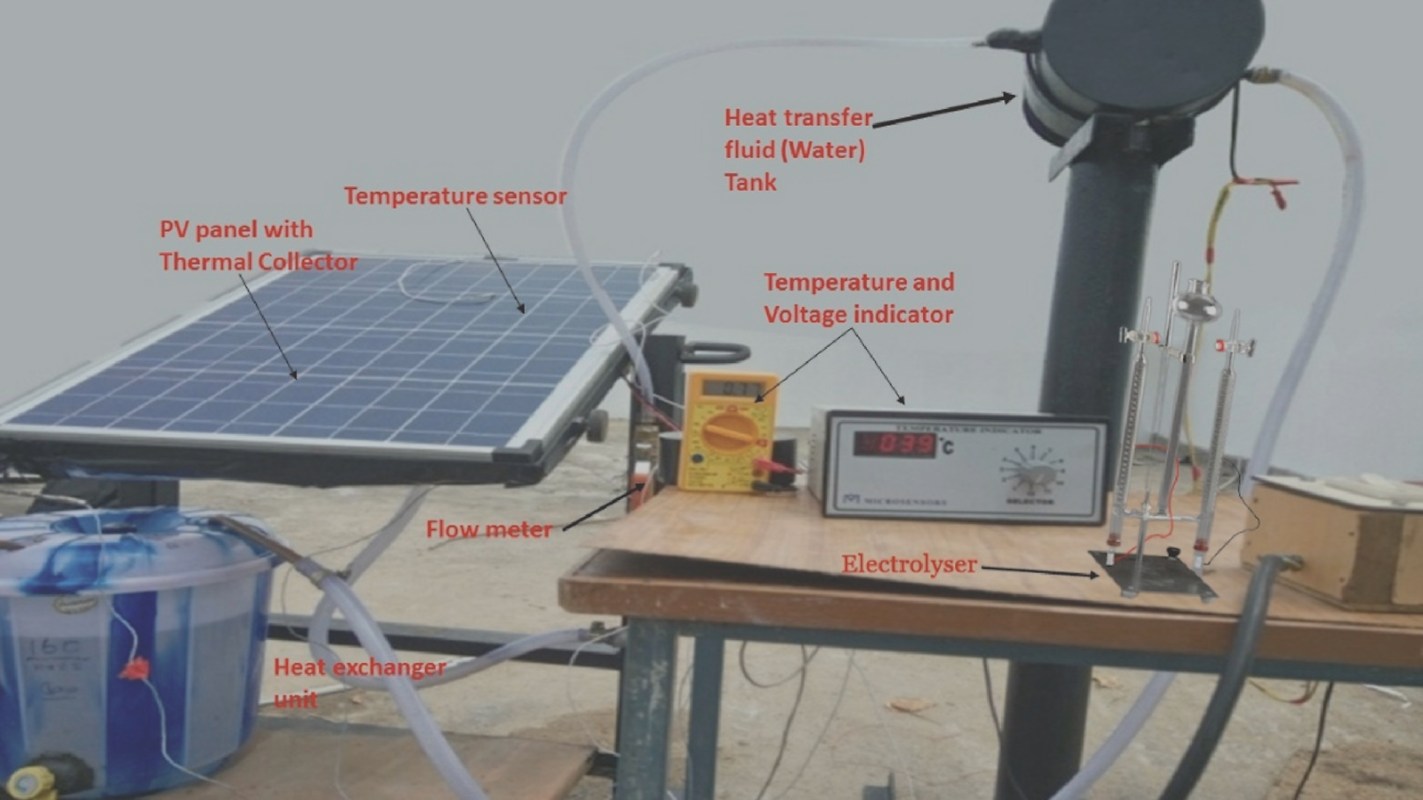
Researchers in India say injecting tiny air bubbles into cooling water could help solar technology work harder by lowering the operating temperatures of photovoltaic-thermal panels and increasing hydrogen output.
During rooftop trials, sending air bubbles through cooling water was associated with lower operating temperatures in photovoltaic-thermal panels and higher hydrogen output.
Here's what to know
To measure the impact of the bubbles, the researchers tested the new water-cooled, air-injected design against three other systems: a standard photovoltaic panel, an air-cooled photovoltaic-thermal setup, and a water-cooled photovoltaic-thermal setup, pv magazine reported.
Measurements were collected from 8:00 a.m. to 4:00 p.m. over seven consecutive summer days on a rooftop in Tiruchengode, Tamil Nadu, where researchers from K.S.Rangasamy College of Technology and SRM Institute of Science and Technology installed the systems.
Crushed by your bills? See instant solar savings from vetted installers in just a few clicks With energy prices through the roof, there's never been a better time to go solar — and EasyHome can help you find the best prices from the best installers in your area. EasyHome takes the guesswork and headaches out of energy upgrades by showing you estimated savings from a network of vetted local partners. To get started, just enter your ZIP and share a few details about your home — seeing your estimate is really that easy. |

The best results came from the photovoltaic-thermal water setup with air injection at 0.024 pounds per second (0.011 kg/s), which reached a peak thermal efficiency of about 45.5%, versus roughly 30% for the air-cooled version.
Its electrical efficiency rose to around 11.1%, compared with 8.1% for the conventional panel.
The air-injected system reached about 0.52 fluid ounces per minute (15.5 milliliters per minute), while the standard photovoltaic setup peaked at 0.28 fluid ounces per minute (8.3 ml/min).
The research team noted, "Numerous researchers have used several cooling methods, including air cooling, liquid cooling, and phase change materials, but failed to explore the impact of air bubbles on the performance of PV system efficiency and hydrogen yield rate."
The experiment used a small 20-watt panel. Going solar is one of the best ways to save money on home energy, and homeowners can explore EnergySage to get free solar installation estimates and compare quotes.
More background
Solar panels lose efficiency as temperatures rise, especially in hot, sunny climates.
Photovoltaic-thermal systems are designed to address that problem by producing electricity while also capturing heat that would otherwise go to waste.
More efficient solar-powered electrolyzers can help produce cleaner fuel for industry, backup power, and energy storage without depending as heavily on polluting energy sources.
More From EnergySage
💡Go deep on the latest news and trends shaping the residential solar landscape

What's being done?
More study is needed to identify the best air-injection rate across different conditions and system designs.
Advanced control algorithms could help manage integrated solar-and-hydrogen systems and maximize output.
For people looking into solar, EnergySage's free services can help simplify the process. With EnergySage's help, the average person can save up to $10,000 on solar purchases and installations. EnergySage's solar map shows the average cost of a home solar panel system by state, along with details on solar panel incentives. Together, these resources can help readers get the best price for rooftop solar panels and access available incentives.
Adding battery storage to a solar setup is one of the best ways to protect your home during outages. It can also help you save money on energy and go off-grid. You can explore EnergySage for information about home battery storage options, including competitive installation estimates.
"This study's findings will be advantageous for both developed and emerging nations, taking into account environmental pollution and energy requirements," the research team said.
Where can I learn more?
The types of effort seen here are showing up in several places, from India's rapid solar expansion to new materials that could make panels work better.
• In India, the solar surge is creating demand for a giant battery that lasts decades without fire risk.
• Scientists have shown tin perovskite solar cells can deliver stronger performance without lead.
• At the atomic scale, researchers used a new lamination method to lift solar-cell efficiency.
Even relatively small gains can have a big impact when they scale across solar systems.

Get TCD's free newsletters for easy tips, smart advice, and a chance to earn $5,000 toward home upgrades. To see more stories like this one, change your Google preferences here.






