


India's solar expansion highlights how adding clean-power capacity does not solve everything if there is not enough storage to save that electricity for later.
Delectrik Systems is trying to solve this with long-duration energy storage that could reduce the rare yet serious fire risk associated with conventional lithium-ion systems.
Here's what to know
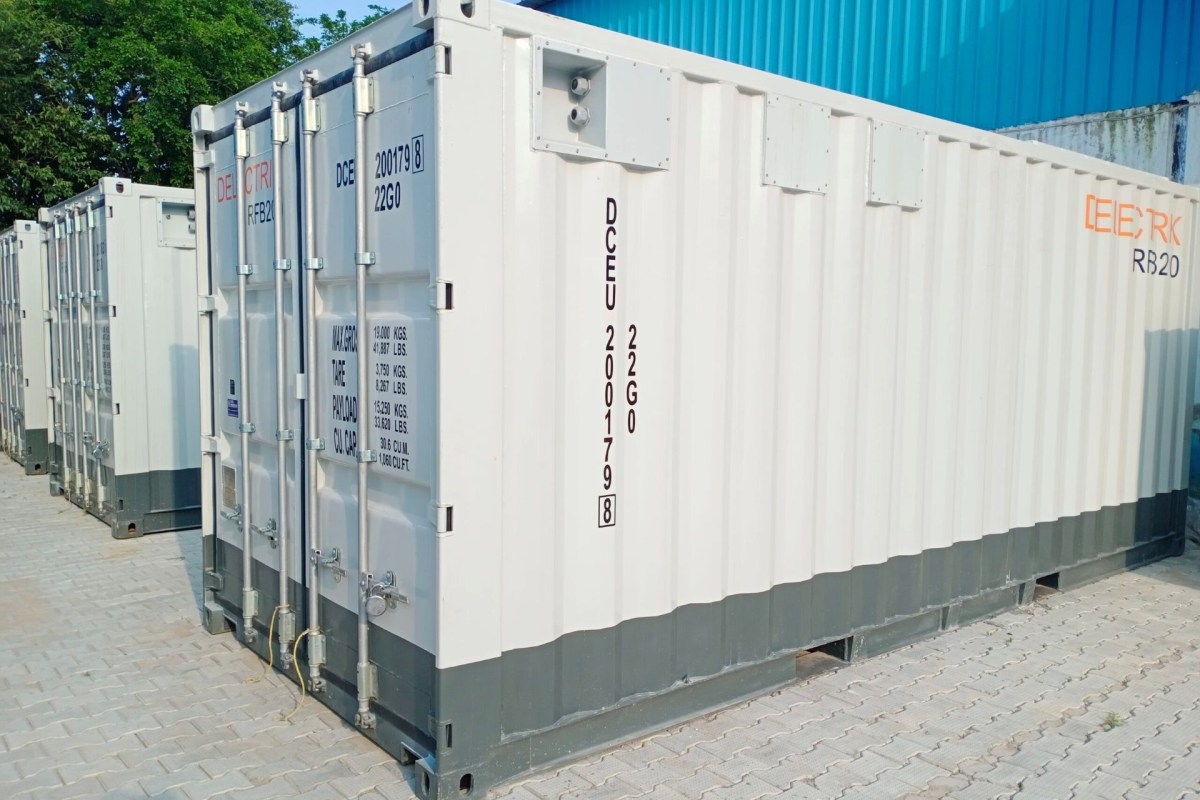
YourStory spotlighted Delectrik, which is based in Gurugram, Haryana, and was founded in 2016 by CEO Vishal Mittal. The company produces vanadium redox flow batteries for utility-scale, industrial, and commercial applications.
In lithium-ion batteries, energy is held in solid electrodes that gradually wear down with repeated charging. Flow batteries work differently, storing that energy in tanks of liquid electrolyte that moves through the system when electricity is needed.
Since that liquid is not used up in the same way, these batteries can keep working for decades with minimal degradation. And because these batteries are made with vanadium, they eliminate the thermal runaway risk inherent to lithium installations.
Adding home battery storage is one of the best ways to protect against outages, save money on energy, and even make going off-grid more realistic.
If you want to learn about home battery storage options and compare competitive installation estimates, EnergySage has teamed up with the electrification brand Qmerit to guarantee you get the best price on home battery storage solutions.
Another option is Pila, whose plug-and-play batteries are priced at a fraction of what whole-home backup systems cost.
Crushed by your bills? See instant solar savings from vetted installers in just a few clicks With energy prices through the roof, there's never been a better time to go solar — and EasyHome can help you find the best prices from the best installers in your area. EasyHome takes the guesswork and headaches out of energy upgrades by showing you estimated savings from a network of vetted local partners. To get started, just enter your ZIP and share a few details about your home — seeing your estimate is really that easy. |

More background
As solar adoption grows around the world, the biggest opportunities may come from pairing clean generation with storage that is durable, flexible, and easy to deploy at scale.
The main drawback of flow batteries is their size, YourStory noted. Because they store less energy per unit of volume than lithium-ion batteries, they are not practical for phones or electric cars. On the grid, though, that trade-off looks different.
When the goal is to hold large amounts of solar electricity for later use, taking up more space can be worthwhile if the system lasts longer and improves safety.
Longer-lasting storage can help utilities reduce blackouts.
In turn, businesses can avoid expensive disruptions, while cities can use more affordable, non-polluting energy without wasting power generated during the day. According to Delectrik, its technology "when combined with renewables provides for 24×7 clean energy, thereby mitigating the use of fossil fuels and its harmful effect on climate."
What's being done?
Companies such as Delectrik are pushing alternative battery chemistries that could complement lithium rather than replace it in every setting.
For large buildings, industrial campuses, and utility projects, a technology that runs for decades with little degradation could lower replacement needs and reduce long-term costs.
Storage that is less prone to fire can also simplify development. If a system uses water-based vanadium chemistry that does not burn, some of the concerns that have complicated permitting and planning for large lithium battery projects may be lessened.
Homeowners interested in resilience during outages or lower energy bills can compare new backup options alongside standard systems with EnergySage, while renters or people without room for a whole-home installation may benefit from portable products such as Pila's.

Get TCD's free newsletters for easy tips, smart advice, and a chance to earn $5,000 toward home upgrades. To see more stories like this one, change your Google preferences here.






