


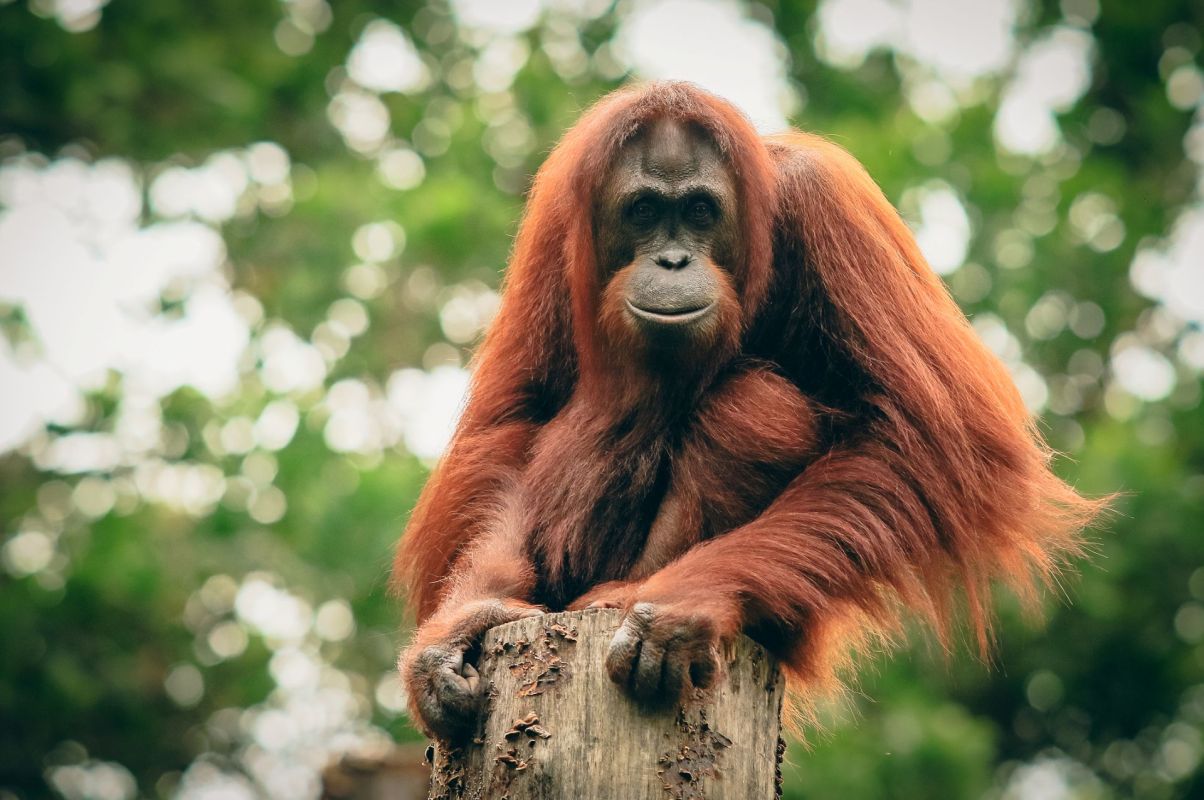
AI-generated wildlife visuals may be adorable, but conservation advocates say they are doing more harm than good as they continue to skew public perception of what's real and what's not.
Here's what to know
A viral image of an orangutan gently holding leopard cubs in Malaysia's Sabah state is fake, according to Agence France-Presse fact-checkers, via RTL Today. The AFP reports that the Sabah picture is just one example of the trend of fake wildlife imagery spreading across social media. Other AI-generated posts they have debunked include an elephant climbing a tree during flooding in Myanmar and a pink dolphin jumping in the Philippines.
Scientists and conservation organizations say these types of fabricated scenes can alter expectations about how wild animals behave and put people in danger.
"This misunderstanding can lead people to approach animals too closely or interact with them in unsafe ways," University of Cordoba zoology professor Jose Guerrero-Casado told AFP, noting the woman who was attacked by a rare snow leopard in China's Xinjiang region in January.
More background
Conservationists argue that this distorted reality also hinders their efforts to protect wildlife. In fact, a study co-authored by Guerrero-Casado concluded that AI misinformation and its possible consequences for environmental protection were a "major threat" to society.
"Conservation depends on a well-informed society that understands the ecological and conservation needs of wild species," Guerrero-Casado said. "AI-generated fake content does not contribute to this goal."
TCD Picks » Quince Spotlight
💡These best-sellers from Quince deliver affordable, sustainable luxury for all




Speaking to AFP, the World Wildlife Fund's Jenny Roberts said that even if fake wildlife images sometimes spur support, "the negative impacts outweigh that completely."
"When you do have something remarkable, people question it," Roberts added. She recalled that WWF posted a rare camera-trap video from China showing a tiger with five cubs — a scene never before filmed there — and immediately encountered doubt online.
Chris Lewis, a researcher at the international wildlife charity Born Free, said AI images personifying wildlife may also increase demand for animals "to be used in the tourism industry as photo props, exploited to make social media content or to be kept as pets."
What's being done?
Major platforms have policies meant to address manipulated media. Meta and TikTok both require users to disclose realistic visuals that were created with AI or heavily changed by it, and each company says automated systems also label that content, per AFP.
Even so, AFP fact-checkers said they found multiple wildlife posts that lacked clear labels, including some with captions that already acknowledged the pictures were fake.
That shortfall shows the need for tougher enforcement and stronger public awareness.

Get TCD's free newsletters for easy tips, smart advice, and a chance to earn $5,000 toward home upgrades. To see more stories like this one, change your Google preferences here.






