


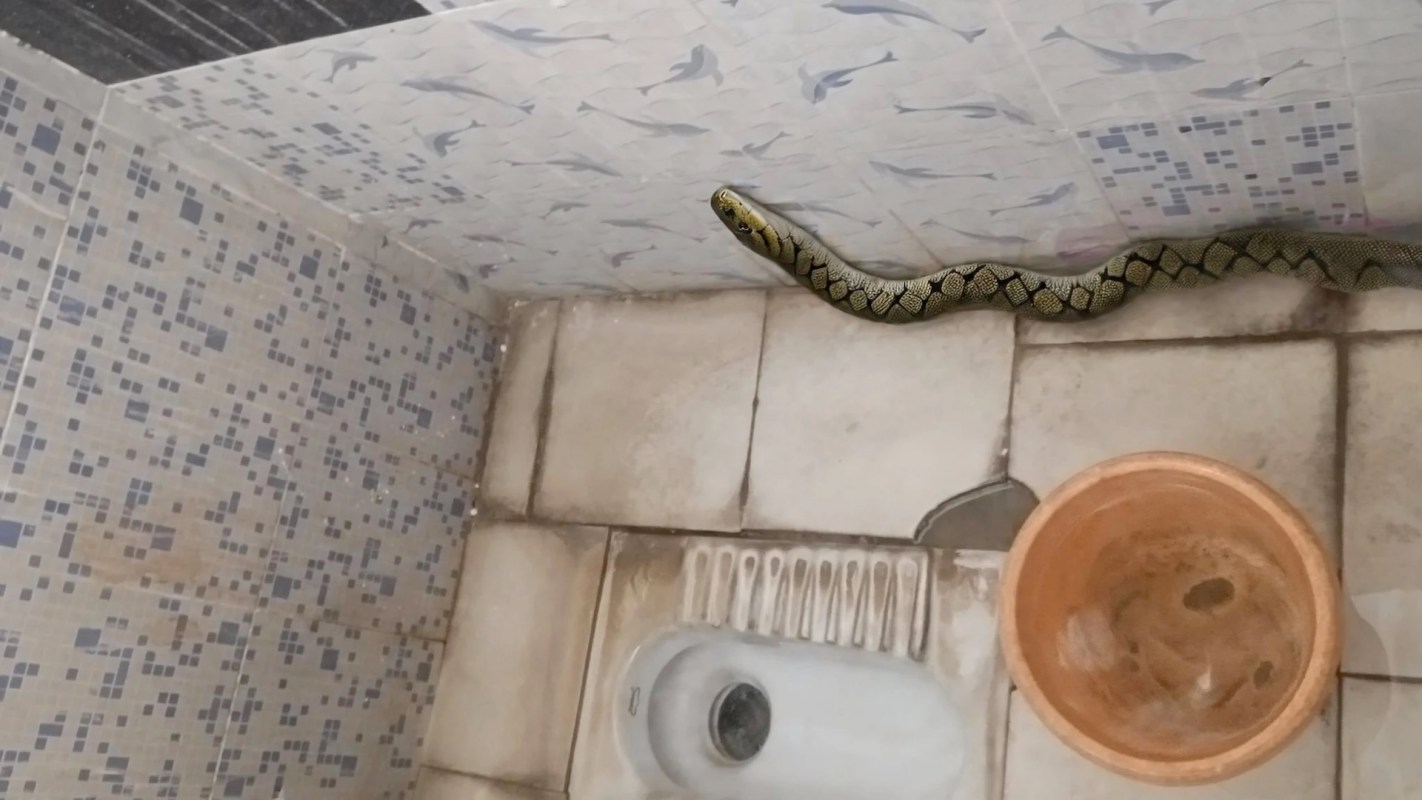
A troubling trend has emerged in India: people are sending AI-generated images of snakes to wildlife rescuers, hampering rescuers' operational capabilities.
Hyderabad wildlife rescuers say they are being dispatched because of snake pictures that were never real in the first place.
For the Friends of Snakes Society, those bogus sightings have real consequences. Volunteer attention, fuel, and time are being spent on false alarms rather than on actual situations involving residents or wildlife.
Here's what to know
According to The Hindu, the Hyderabad-based Friends of Snakes Society says AI-generated snake images are appearing with increasing frequency on its 24/7 helpline.
FoSS said the motives vary. Some submissions seem intended as pranks, while others appear to come from people looking for a reason to take time off from work.
There are also cases that the group sees as less malicious. A person may genuinely notice a snake, then lose sight of it when it slips beneath furniture, stones, or bricks before any photo is taken. Since rescuers often ask for an image to identify the animal and bring the right equipment, some callers have instead used AI to create a stand-in.
TCD Picks » Quince Spotlight
💡These best-sellers from Quince deliver affordable, sustainable luxury for all




That request for a photo serves a practical purpose, Avinash Visvanathan, general secretary of the Friends of Snakes Society, said. He continued, empathizing with those who have legitimate cases; "We understand snakes are not always found in easily accessible areas where a photo can be clicked".
Still, the scale of the issue has climbed quickly. The Hindu said the society was receiving about five to 10 such images a month until the end of June. Now, several suspected AI-generated pictures may arrive in a single day.
More background
Responders cannot simply dismiss a reported snake sighting, which means a fake image can still lead to an evaluation of the danger, a trip to the address, and a search of the area before anyone realizes there may be no snake. The group says repeated hoaxes also undermine the trust on which wildlife rescue depends.
One example involved volunteer Nikhil Gourishetty, who told The Hindu he traveled more than 12 miles (20 kilometers) to Bandlaguda after receiving a report that included what appeared to be an Andaman Bronzeback beside a motorbike. After spending more than 10 minutes searching, he said, the caller admitted the picture had been generated "for fun," as another person in a different locality was still waiting for help.
Rescuers said exotic species in the images are often a clue, because many of the pictured snakes do not normally occur in the area. But they also said they cannot rule out every unusual report, noting that the society rescued a green iguana from a mango tree in Dilsukhnagar in March 2024.
What's being done?
To limit the logistical impact of responding to fake emergencies, the group says it is vetting incoming photos closely while still approaching reports with caution.
Visvanathan said rescuers look for details that do not fit known local snakes, including odd proportions such as length or girth and other biological inconsistencies. If those checks do not settle the question, the team may use AI-based image analysis tools and ask callers for additional photos taken from other angles.
Each needless dispatch can consume volunteer effort, fuel, equipment, and may slow assistance to the next person who needs it.
"The snakes in such images are often exotic," Visvanathan said. "The experience in rescuing the snakes, knowledge of existing fauna and its distribution help us in spotting AI-generated images."

Get TCD's free newsletters for easy tips, smart advice, and a chance to earn $5,000 toward home upgrades. To see more stories like this one, change your Google preferences here.






