


Artificial intelligence is increasingly marketed as part of the climate solution.
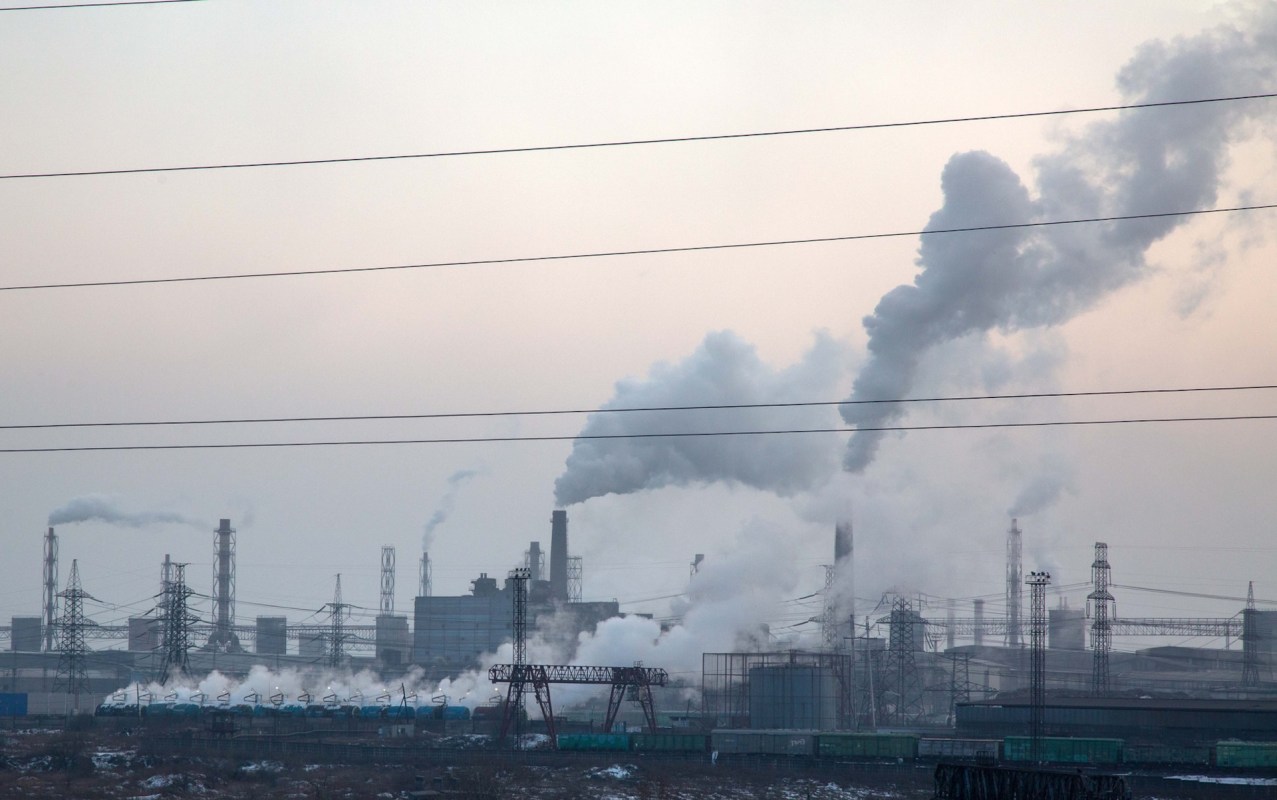
But research now indicates that one of its most consequential near-term uses may be making oil and gas production more efficient, with global emissions rising as a result, Grist reported.
Here's what to know
In a paper published in npj Climate Action, former Microsoft sustainability employees Will Alpine and Holly Alpine estimated that AI-driven efficiency gains in the fossil fuel industry could lift worldwide energy-related emissions by 1.2% to 4.8% annually.
Alpine described the projection as "staggering" and well above prior projections of data center emissions.
That range is substantial: the lower-end increase would be about equal to Mexico's yearly emissions, while the upper-end estimate would put the added pollution on par with Russia's, the world's fourth-largest emitter.
The authors maintained that those added emissions would exceed the climate gains AI could deliver through improvements in solar, wind, and other clean energy systems.
TCD Picks » Quince Spotlight
💡These best-sellers from Quince deliver affordable, sustainable luxury for all




They said the finding exposed a gap in how many companies measure climate harm.
"Sustainability measures [within tech companies] are very much focused on operational emissions," Holly observed, rather than the pollution their products help generate elsewhere.
Will Alpine described the tech-fossil fuel connection as "a self-reinforcing effect between supply and demand."
More background
As WIRED reported, oil and gas companies have been using AI and related tools for years to identify and develop underground reserves more efficiently.
At the same time, the current AI surge is increasing demand for computing capacity even as fossil fuel producers use that capacity to expand output.
Chevron and Microsoft confirmed plans for a Texas behind-the-meter gas plant intended to power the tech company's data centers, with new power company Joulent, GE Vernova, and Chevron's Energy Forge sharing on the project.
Speaking to analysts, Jeff Gustavson, president of Chevron's New Energies division, said Chevron will "use some of that compute" generated by that power setup "to actually power AI inside of our company."
AI can also help utilities predict demand, run the grid more efficiently, and manage wind and solar resources more effectively.
But the technology also consumes huge amounts of electricity, cooling infrastructure, and water.
It can create additional problems as well, including security issues, misuse, and indirect social harms, such as higher energy bills when rising demand drives up the cost of power expansion.
That means AI's climate consequences depend greatly on who is deploying it, what kind of power is feeding it, and whether it is being used to advance clean energy or to increase fossil fuel extraction.
What can be done?
A central step would be to change how climate impacts are measured by both companies and regulators.
The Alpines proposed that tech companies count "enabled emissions" too — the downstream pollution that results when their products make oil and gas operations more productive.
Jon Koomey, an energy researcher who was not involved in the analysis, spoke with WIRED about the issue.
"Machine learning can make data center cooling 30-40 percent more efficient, but [could] also make fossil fuel extraction much cheaper and faster," Koomey began.
"There are many AI boosters who blithely claim that AI will solve the climate problem so we should go ahead and develop it as quickly as possible. Such hand-waving arguments ignore the effects that AI will have on ALL industries, not just renewable energy and efficiency."

Get TCD's free newsletters for easy tips, smart advice, and a chance to earn $5,000 toward home upgrades. To see more stories like this one, change your Google preferences here.






