


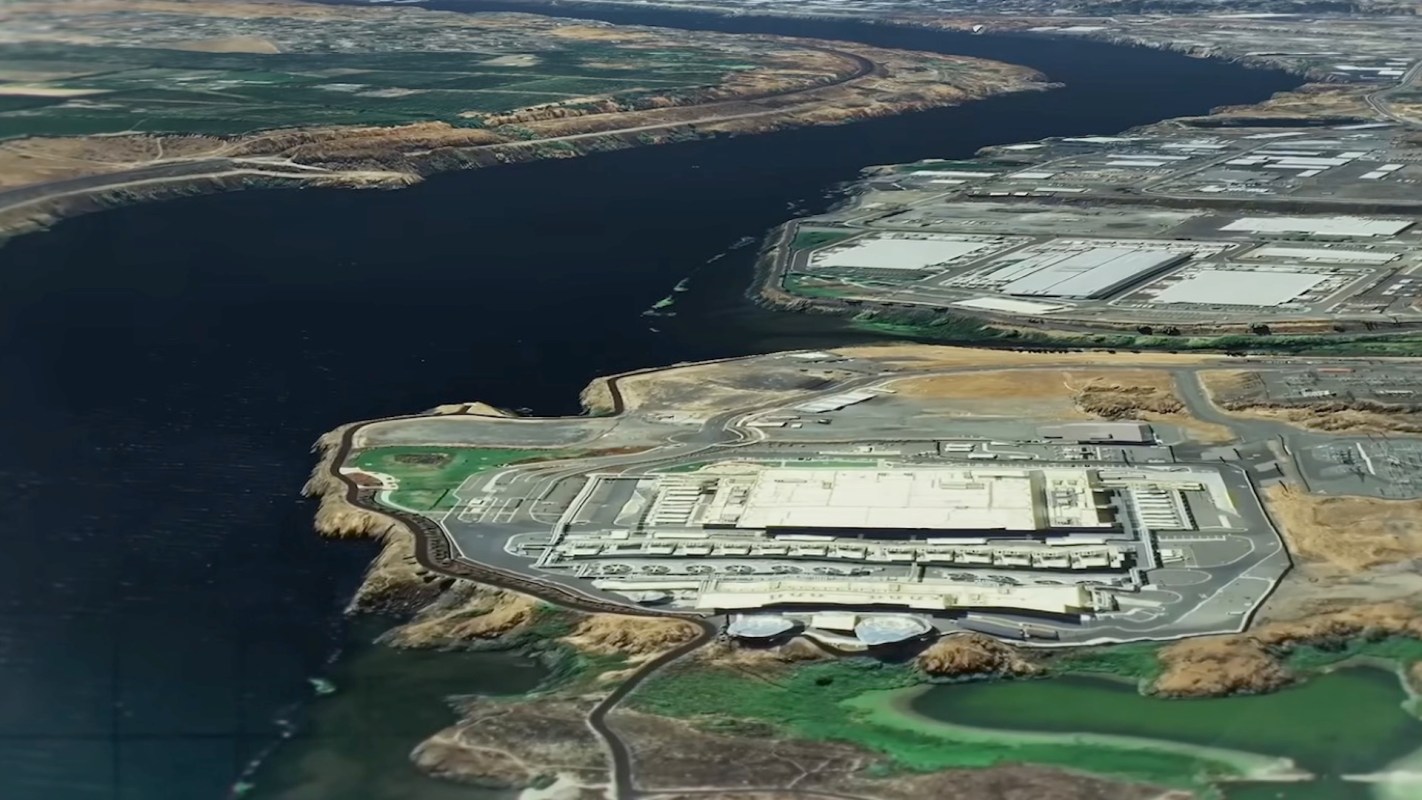
New AI data center projects across the Southwest are creating more water scarcity, according to More Perfect Union. With drought already pressuring parts of Texas and New Mexico, farmers and other residents are questioning how valid Big Tech's claims are about its resource use.
What's happening?
More Perfect Union (@MorePerfectUnion) looked at the data center buildout near El Paso, Texas, and across southern New Mexico in an investigative video. It reported that Meta, Oracle, and OpenAI are among the companies expanding there. The outlet says its review found that about two-thirds of data centers under construction are located in drought-prone areas.
In the video's caption, More Perfect Union stated, "Big Tech claims AI data centers don't use much water. But data centers typically report the water used inside the facilities — we found them indirectly consuming 10x that amount."
The video also centers on Roberto Roque, a third-generation pecan farmer in southern New Mexico, as he explains how shrinking water availability is affecting agriculture. Roque farms near Project Jupiter, which the outlet describes as a 1,400-acre data center that OpenAI and Oracle are developing.
"It's very difficult because instead of relying on the water that comes from the Rocky Mountains, we've had to invest into agricultural wells and that becomes very expensive," Roque said.
One commenter wrote, "So they privatize the profits but socialize the expenses?"
TCD Picks » Quince Spotlight
💡These best-sellers from Quince deliver affordable, sustainable luxury for all




Why is this concerning?
It's hard to ignore data centers' impact on the environment, especially where drought is already a fact of life. They can also create rising costs for households and affect the way communities make future development decisions.
Roque warned, "If they consume the amount of water that people are saying that they're going to consume, then what are we going to eat? Because agriculture is going to cease to exist."
The residents who appeared in the video also stated that the lack of transparency about this process is incredibly concerning. Critics argue that when companies highlight only the water used within a facility, the public may not see the much larger indirect demand required to keep those campuses operating.
What's being done?
People want open conversations around data center development in arid areas and beyond. One major step would be requiring full disclosure of total water and energy impacts on- and off-site. That could give local governments and residents a clearer basis for permitting decisions.
Data centers can use recycled or nonpotable water where available, adopt less water-intensive cooling systems, and pair new electricity demand with cleaner power sources. Siting matters, too, as building in places with more resilient water supplies could ease pressure on drought-prone communities.
Until those solutions happen, however, people will keep advocating for their communities.
"I hope that those people who support the data centers can eat computer chips because where are they gonna get their food from?" Roque asserted.

Get TCD's free newsletters for easy tips, smart advice, and a chance to earn $5,000 toward home upgrades. To see more stories like this one, change your Google preferences here.






