


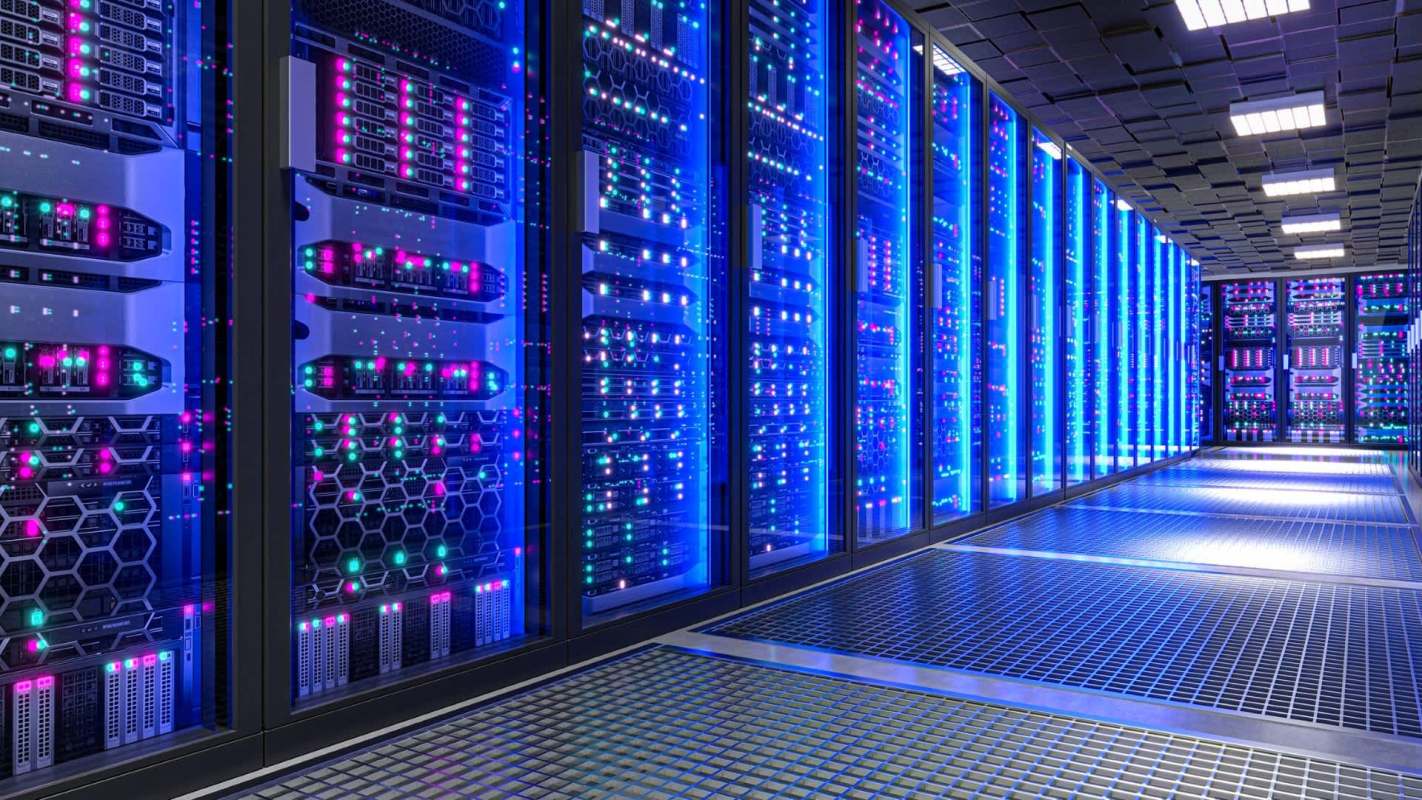
A proposal from U.S. Rep. Byron Donalds, a Florida Republican, could reshape how the rapidly growing artificial intelligence industry develops new data centers by requiring its largest facilities to secure their own electricity and water instead of drawing from public systems.
As WPTV reported, the proposal is rooted in concern over rising power bills.
What's happening?
Under House Resolution 9777, the Protecting Ratepayers Act, Donalds is seeking to require hyperscale AI data centers to remove their dependency on public utilities.
The push comes as companies expand the infrastructure behind generative AI, cloud computing, and other digital services. With those facilities demanding huge amounts of power, WPTV reported that the Electric Power Research Institute projects data centers could account for as much as 9% of all U.S. electricity generation by 2030.
Unlike the Trump administration's voluntary Ratepayer Protection Pledge, Donalds' bill would make the requirement mandatory.
The station noted that Amazon, Google, Meta, Microsoft, OpenAI, Oracle, and xAI are among the companies that have signed the pledge, which is meant to prevent the cost of serving new AI facilities from being passed on to residential and commercial customers.
TCD Picks » Quince Spotlight
💡These best-sellers from Quince deliver affordable, sustainable luxury for all




This measure adds teeth, which experts commended.
"I think it's clearly a move in the right direction," Mehran Basiratmand, director of innovations and programs at Florida Atlantic University, told WPTV.
Why does it matter?
The question matters beyond the tech sector because AI-driven growth can strain power grids and water systems, with possible effects on service reliability and monthly costs for households and small businesses.
When massive data centers draw from the same public infrastructure as everyone else, regulators and lawmakers say the expense of generation, transmission, and water-related upgrades could fall on customers. In a fast-growing state such as Florida, that concern is acute.
There is also an environmental dimension to the issue. Requiring companies to supply their own energy could push them toward cleaner, more efficient options instead of adding strain to already stressed systems.
"I think as we set up the threshold, law is clearly going to force companies to look at alternative sources," Basiratmand told WPTV.
Water use is another major factor, as some data centers require substantial cooling resources.
What's being done?
For now, the central response is the proposed federal legislation. If it becomes law, hyperscale AI data centers would face a binding requirement instead of a voluntary commitment.
If operators must account for their own energy supplies, they may be more likely to invest in alternative power sources and self-contained systems. Basiratmand said he didn't anticipate an AI data center exodus.
"I do not think it's going to shift companies to go overseas because we already see significant pushback in many countries on that as well," he said.

Get TCD's free newsletters for easy tips, smart advice, and a chance to earn $5,000 toward home upgrades. To see more stories like this one, change your Google preferences here.






