


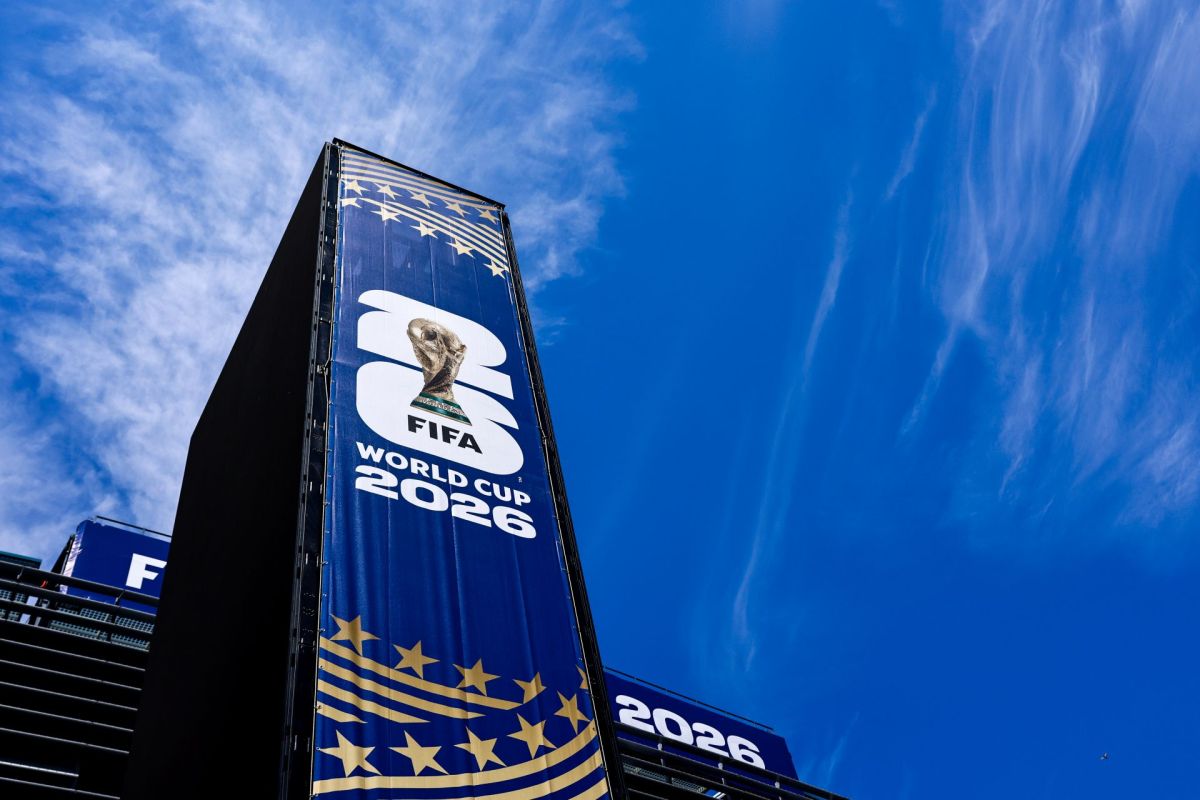
Across three host nations, the 2026 FIFA World Cup is being marketed as an expanded North American showcase with more teams and sites than ever before.
However, the event's grand scale may bring an equally outsized amount of pollution.
What happened?
In its report, FIFA's Climate Blind Spot, the New Weather Institute estimated that the 2026 tournament will be responsible for at least 9 million tons of carbon dioxide equivalent, which could rise to 15 million tons.
That dwarfs past World Cups. For comparison, editions from 2010 to 2022 averaged about 4.7 million tons.
Much of the projected increase comes from how much larger the competition will be, as Euronews noted. With 48 teams and 104 matches, the latter 63% more than earlier tournaments, the event will stretch across 16 host cities in North America. Teams, media, and millions of fans are expected to depend heavily on air travel.
Researchers have said that flight demand is the central issue. The report estimated aviation alone will produce more than 7.7 million tons of CO2, and pollution from flying could be 160% to 325% higher than at earlier World Cups.
TCD Picks » Quince Spotlight
💡These best-sellers from Quince deliver affordable, sustainable luxury for all




Why does it matter?
When a global organization expands a tournament while also promoting sustainability, it raises questions about whether those climate commitments are meaningful or simply a matter of public image.
The report argued that the issue is structural, describing a tournament model that keeps growing internationally and depends on far-flung travel. North America also lacks the broad high-speed rail system that might reduce pollution between host cities.
Even without a major wave of new stadium construction, critics have said the tournament's sprawling format still shifts environmental costs onto the public.
What are people saying?
The report said FIFA's environmental messaging conflicts with decisions such as expanding the tournament and spreading it across distant host cities.
"Governing the world's greatest game, FIFA has a huge responsibility but shows a fatal climate blind spot in its duty of care to fans, players and the future of the sport," the report declared.
FIFA, meanwhile, has said the 2026 World Cup will leave a "positive legacy" and promote greener building standards, public transit use, and cuts in waste, energy use, and pollution, according to Euronews.
However, the analysis warned that those steps will not cancel out the tournament's bloated nature.
"When [FIFA] should be taking urgent steps to protect all of these from global heating, its actions reveal a reckless disregard for their climate consequences," the report concluded.

Get TCD's free newsletters for easy tips, smart advice, and a chance to earn $5,000 toward home upgrades. To see more stories like this one, change your Google preferences here.






