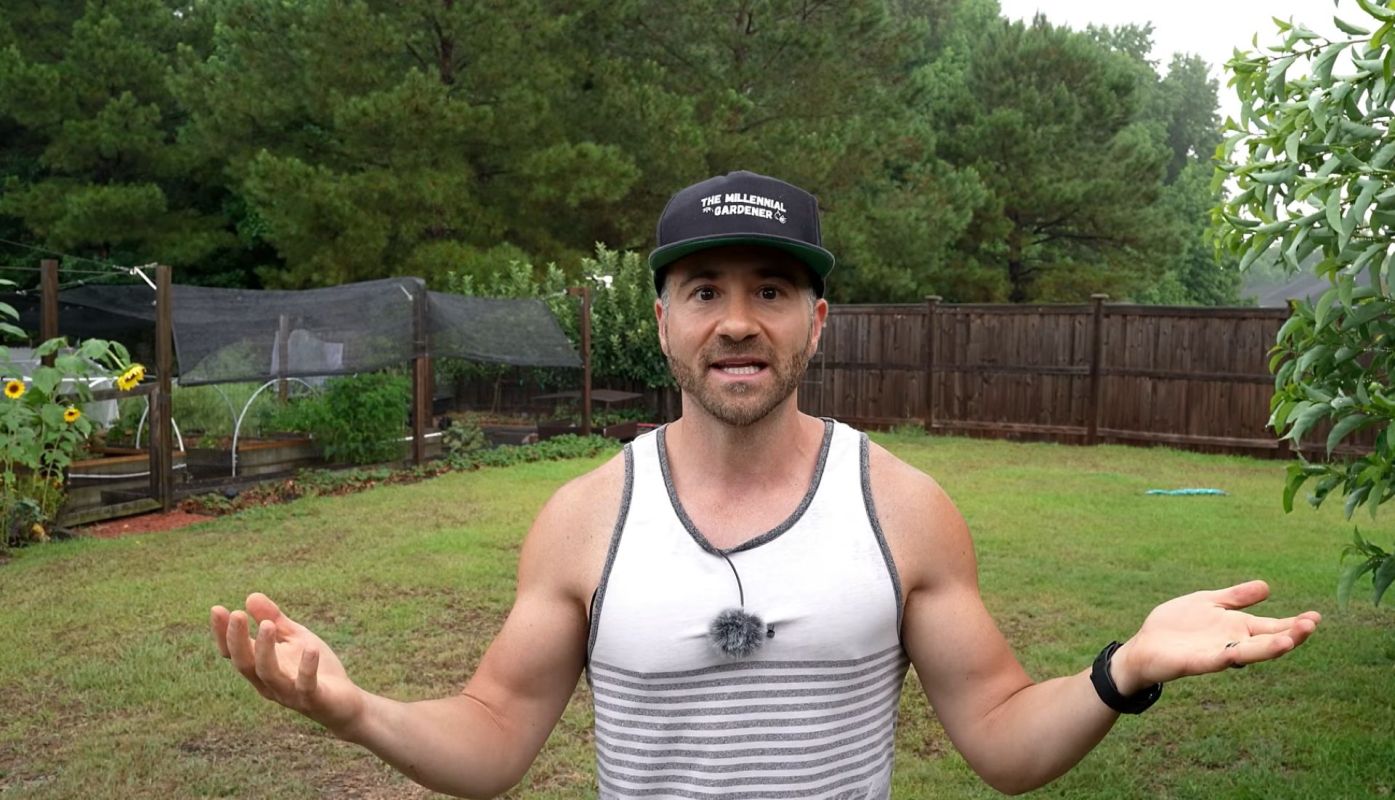
For a backyard garden, the hardest plant to grow may be the zucchini, but one YouTube creator believes he has cracked the code.
If your zucchini plants start strong and then collapse before summer is over, a North Carolina gardener says the problem may be less about bad luck and more about timing, heat, and a few common growing habits.
In a July 10th upload, the content creator argued that many backyard growers are unknowingly setting their plants up to fail.
What's happening?
In the video, The Millennial Gardener lays out three common zucchini outcomes: plants that barely yield at all; plants that produce heavily for a short period and then crash; and only a small number of gardeners continuing to harvest into fall. He said, "Your zucchini plants will fail unless you stop doing these three things."
Rather than expecting one spring planting to carry the whole season, he says gardeners should keep new zucchini coming in on a schedule. His recommendation is succession planting every four to six weeks, since a single plant typically lasts only about two to three months after transplanting.
He argues that the planting calendar matters too. Later zucchini rounds may miss the worst squash vine borer pressure because those pests usually hit earlier, and in many regions, shade cloth during midsummer can help plants handle punishing sun that would otherwise wear them out fast.
TCD Picks » Quince Spotlight
💡These best-sellers from Quince deliver affordable, sustainable luxury for all




One commenter wrote, "Didn't even think about planting a fall harvest of zucchini. On it today!"
Why does it matter?
Zucchini is one of those vegetables many people assume should be easy to grow, which can make a midsummer wipeout especially frustrating. When a crop fails, gardeners lose time, seeds, soil amendments, and water, and often end up back at the store buying produce they had hoped to grow themselves.
Homegrown produce can help trim grocery bills, taste better than store-bought options, and make it easier to eat fresh food more often. Gardening also gets people outside and moving, which can support both mental and physical health.
A longer harvest means less wasted garden space and a steadier supply of food from your backyard, rather than produce shipped long distances, often in plastic packaging.
For people trying to make gardening a dependable part of their budget and routine, extending a crop into fall instead of watching it die in July can make a major difference.
What can I do?
If you want more information on growing your own food, TCD has covered the topic in depth.
The Millennial Gardener's method begins with staggered zucchini plantings rather than relying on just one spring round. For the first batch, he suggests starting seeds indoors while spring is still cool and transplanting them after conditions are warm enough.
Later in the season, once the soil is warm enough, gardeners can sow seeds directly and time those plantings around local pest patterns. The video says zucchini planted in late summer often does better because insect pressure usually eases as fall gets closer.
He also advises helping plants through peak summer with shade cloth, especially in hotter areas, and feeding them regularly because zucchini are heavy feeders. For pest control, he recommended organic products such as kaolin clay and spinosad sprays.
Bringing in fresh plants, adjusting the timing, and protecting zucchini from the roughest summer conditions may work better than trying to save a plant that has already passed its prime.

Get TCD's free newsletters for easy tips, smart advice, and a chance to earn $5,000 toward home upgrades. To see more stories like this one, change your Google preferences here.