


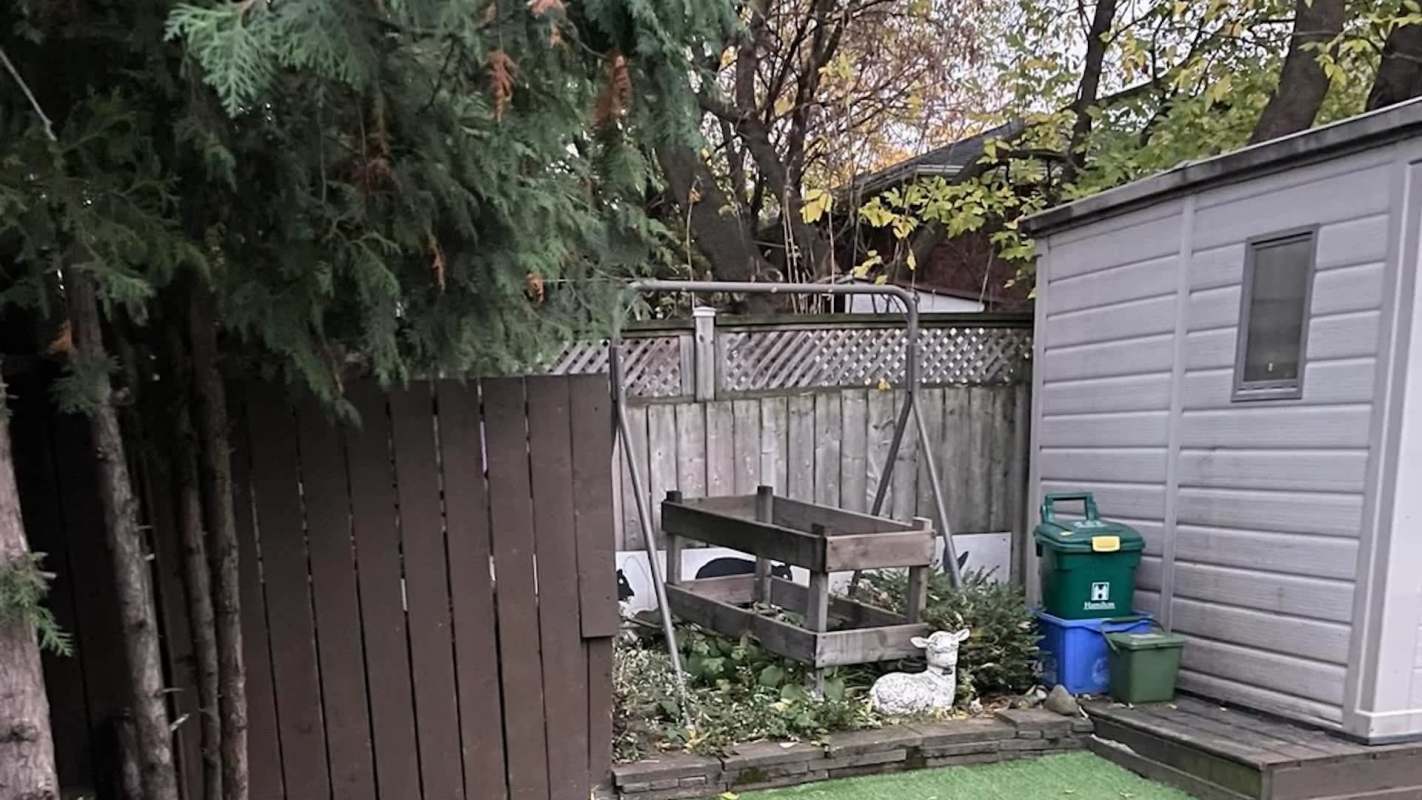
A Reddit post raised disagreements over the hidden costs of "zero maintenance" landscaping. The discussion covered traditional lawns and the urgent need for eco-conscious outdoor spaces.
The post stated a homeowner spent $3,000 to install an artificial turf lawn for their elderly parents.
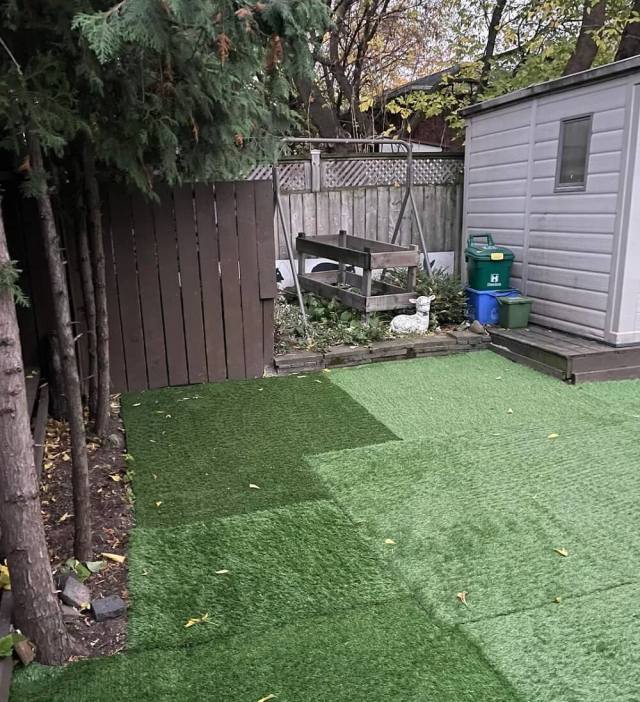
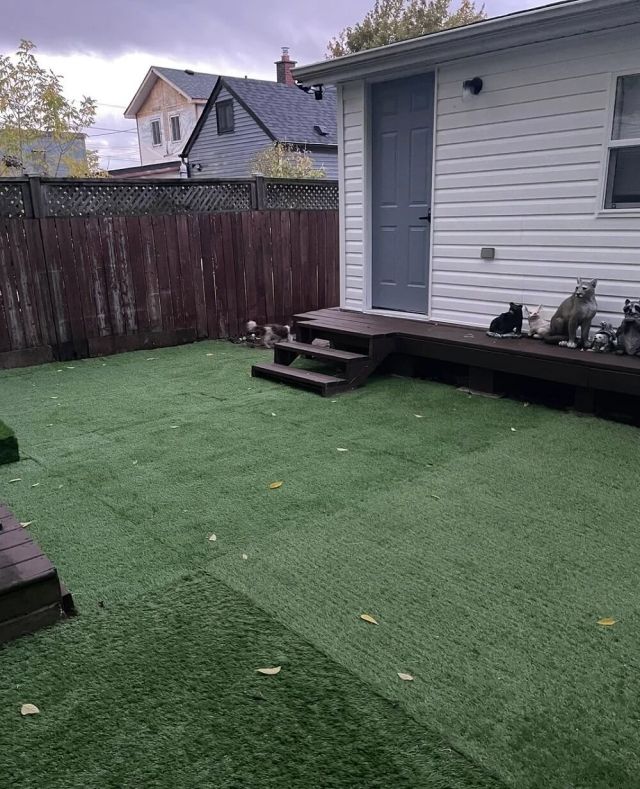
The intention may have been to provide a "weed-free" solution. Instead, it created backlash online for its environmental and financial toll.
"Imagine what OP's parents could have done with $3,000 worth of beneficial plants," the Redditor who reposted the story said.
The OP's synthetic transformation brings a long-term problem. There is a misconception that artificial turf is a permanent, low-maintenance fix. In reality, plastic grass degrades.
It will shed microplastics and harmful forever chemicals, or PFAS, into the environment.
Other than chemical exposure, synthetic lawns contribute to the urban heat island effect.
They make yards hotter than natural grass. Being artificial, they also provide no food for pollinators, creating a biological desert.
Homeowners who upgrade their yard gain a more resilient, cost-effective, natural lawn.
Installing a native-plant lawn or partial replacement can save significant money. True low-maintenance and lower water bills come with natural landscaping.
TCD Picks » Quince Spotlight
💡These best-sellers from Quince deliver affordable, sustainable luxury for all




|
What's the most you'd pay per month to put solar panels on your roof if there was no down payment?
Click your choice to see results and speak your mind. |
 $200 or more 💰
 Clover, buffalo grass, rain gardens, and xeriscaping are easy options to manage. These native plants and techniques help local climates thrive.
According to the National Wildlife Federation, traditional lawns are vast and resource-intensive. The organization noted, "U.S. lawns [occupy] three times more land than any other irrigated crop."
The Cornell Botanic Gardens in Ithaca, New York planted and tested their own native lawn.
They discovered that Americans spend 70 hours per year mowing a traditional lawn. Per the NWF, in less than two years, the university's lawn will only need "two to three hours of care per year."
Rewilding a yard with woodchips or native groundcovers also supports local wildlife.
Reddit users weighed in on the poor lawn job.
"There are so many better options," one user wrote.
Another agreed, "Sand, gravel, almost anything else would be better than turf."
"There are better options, but when you're old… something like this makes a lot of sense," someone argued.

Get TCD's free newsletters for easy tips to save more, waste less, and make smarter choices — and earn up to $5,000 toward clean upgrades in TCD's exclusive Rewards Club.
Cool Picks






