


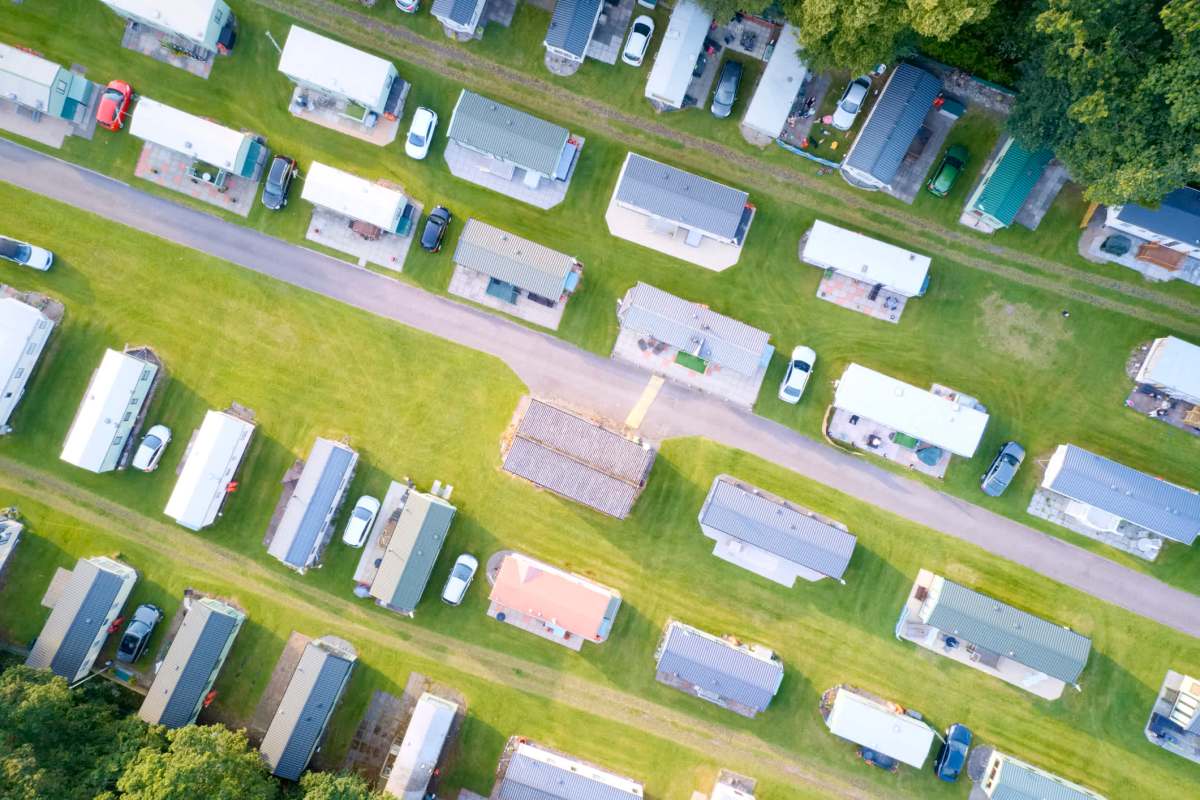
For millions of Americans, manufactured housing remains one of the last viable paths to homeownership.
But residents in rural Wisconsin say that fragile affordability is disappearing after private equity firms purchased their parks and rapidly increased the monthly rent on the land beneath their homes.
What's happening?
About 20 million people in the U.S. live in manufactured homes, in part because they usually cost much less than traditional single-family houses.
A typical manufactured home costs around $120,000, while smaller single-wide units average about $87,000.
Research highlighted by the Daily Yonder found a troubling pattern in Wisconsin: A sociology Ph.D. candidate studying rural housing reported that lot rents often went up soon after private equity firms acquired manufactured home parks.
Across the country, lot rents in these communities have risen 45% over the past decade.
TCD Picks » Quince Spotlight
💡These best-sellers from Quince deliver affordable, sustainable luxury for all




For people who own the home itself but lease the land under it, that kind of increase can be financially devastating.
One Wisconsin resident, Anthony Perez, said he bought his home for $9,000 because he thought the costs would be manageable on disability income.
After the park was sold, his monthly lot rent increased from $350 to $500.
"They're bullies," Perez said. "So we here residents have to make some noise and get some power in a group to push back."
Why does it matter?
Although they are often still called "mobile homes," relocating one after installation is expensive and difficult.
Moving a manufactured home can cost about $5,000 to $10,000, which leaves many low-income households with few realistic options when lot rents rise.
That reality makes these communities one of the nation's most precarious forms of affordable housing.
In many rural areas, manufactured home parks are among the few lower-cost housing options still available, so steep rent hikes can force residents to choose between paying for housing and covering essentials such as food, medicine, and transportation.
For residents such as retired teacher Johanna Hansen, that insecurity is constant.
"I own my home, but I don't own the land that it's on," Hansen said. "I always feel that insecurity of not knowing what will happen a year from now — or with the current sale, maybe even sooner than that."
What's being done?
Rather than leave, some residents are trying to respond collectively.
In Wisconsin parks affected by new ownership, neighbors have begun meeting to compare experiences, plan how to respond, and push back against changes imposed by buyers.
Organizing can help tenants seek more transparency around rent increases, maintenance, lease terms, and sale plans, while also connecting some residents with legal aid or tenant-rights groups.
"Had I known the park was going to be sold to an investment group, I wouldn't have bought in the first place," Hansen said. "But now I'm stuck."

Get TCD's free newsletters for easy tips, smart advice, and a chance to earn $5,000 toward home upgrades. To see more stories like this one, change your Google preferences here.






