


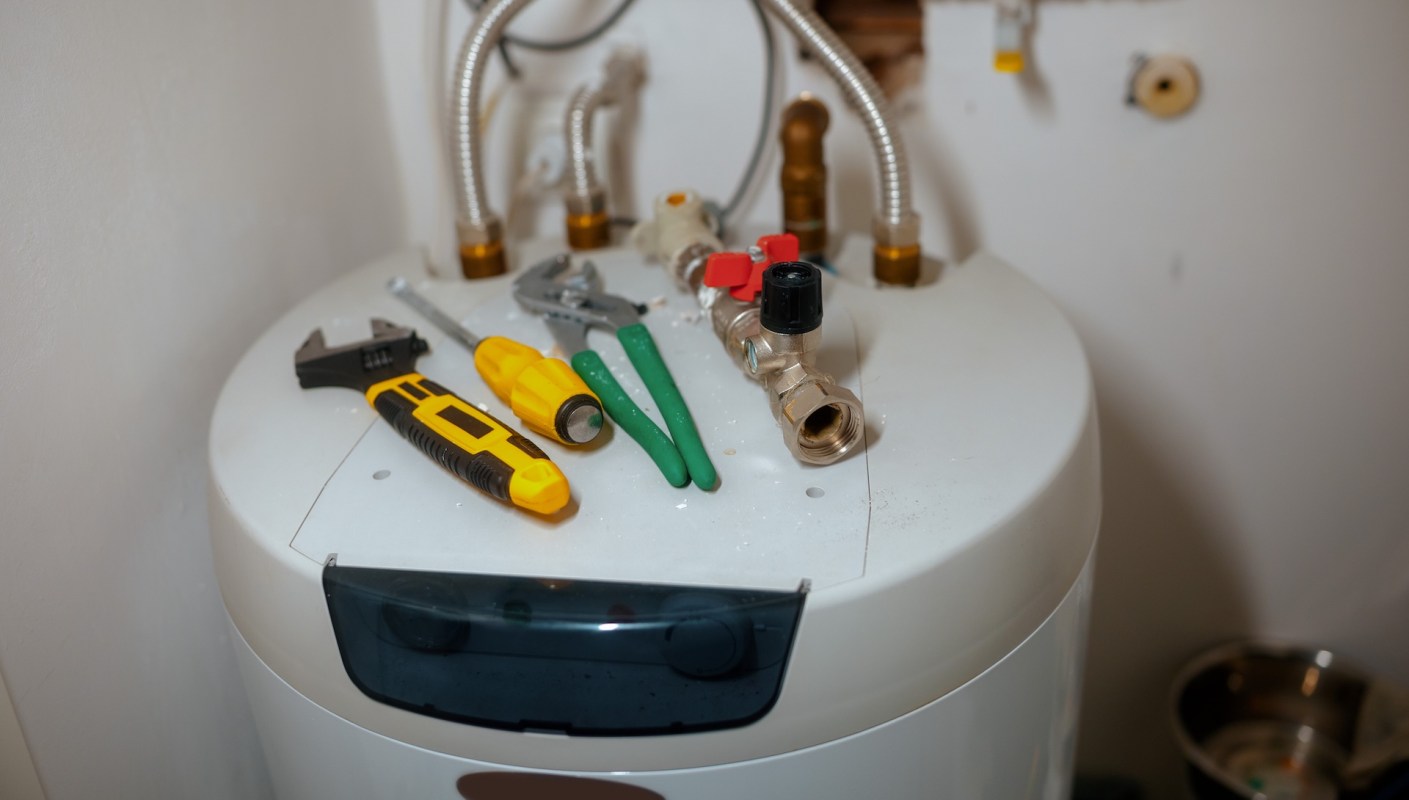
A leaking water heater can quickly turn into a full-blown panic, especially when a plumber cannot arrive and the tank is already showing rust.
For one homeowner, the immediate question was simple: Which valve needs to be shut off first?
Acting quickly can help prevent water damage, wasted energy, and a bigger repair bill if a slow leak suddenly gets worse.
Here's what to know
After finding water in the heater pan, a homeowner turned to Reddit for help identifying the shutoff.
The original poster wrote, "Hi. This morning I noticed water in my hot water pan, not a ton but enough to fill a standard bucket up a little less than half. A plumber can't come out until tomorrow, and I'm afraid the bottom will give and my house will flood."
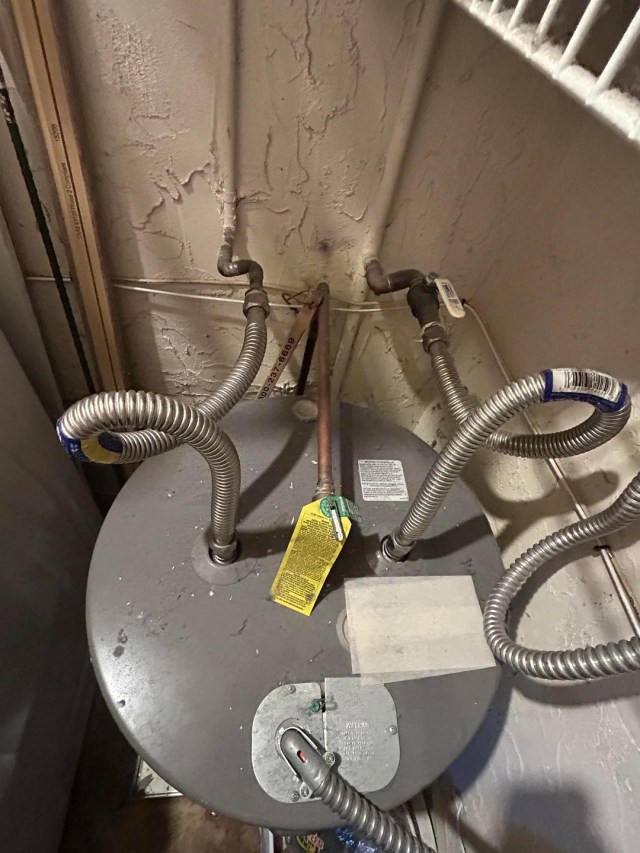
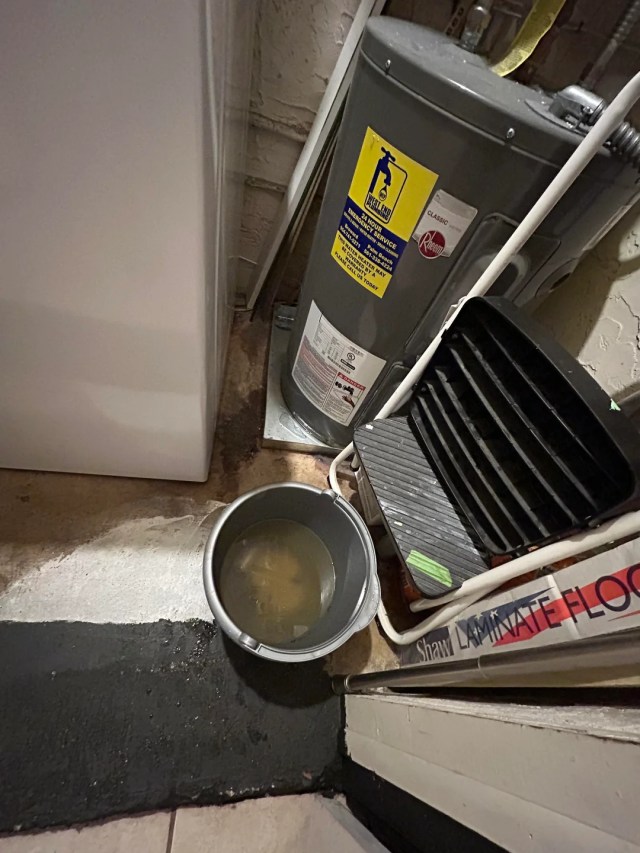
The replies centered on making the unit safe until a plumber could get there.
One commenter replied, "Turn valve off on top of water heater on the right pipe. That is the cold inlet. I would also turn the breaker off that feeds the water heater."
If a leak leads to a replacement decision, that can also become an opportunity to lower utility costs.
Save $10,000 on solar panels without even sharing your phone number Want to go solar but not sure who to trust? EnergySage has your back with free and transparent quotes from fully vetted providers in your area. To get started, just answer a few questions about your home — no phone number required. Within a day or two, EnergySage will email you the best options for your needs, and their expert advisers can help you compare quotes and pick a winner. Solar panels can save you more than $50k over their 25-year lifespan, and EnergySage can help you save as much as $10k on installation. Which begs the question — isn't that worth an email or two? |

Water heating is one of the bigger energy expenses in many homes. A failing tank is stressful, but it can also be the moment when homeowners avoid another inefficient purchase and choose a model with lower operating costs.
More background
Situations like this can feel more overwhelming when the plumbing on the actual unit does not match the examples a homeowner has already seen online.
When rust is visible too, the uncertainty can become even more stressful.
The discussion later moved to a second question: whether the tank had to be drained before the plumber arrived.
After the original poster asked if the slow leak could wait, another commenter answered, "If it's not causing damage, no need to drain it."
Other replies noted that a standard garden hose can usually be attached to the drain connection near the bottom of the tank.
Even so, the first priority remained cutting off the incoming water and making sure the heater was powered down.
What can be done?
If a homeowner faces a similar leak, the key steps are to close the cold-water supply to the tank and switch off the breaker for the water heater. These steps can help keep the leak from worsening, limit damage, and avoid using electricity to heat water in an appliance that may be failing.
After that, it often makes sense to watch the pan, protect nearby flooring, and wait for a plumber unless the leak worsens. Draining may help in some cases, but only if the homeowner can do it safely and confidently.
For people who discover they need a replacement, Cala is one example of a newer option worth knowing about. For homeowners comparing next steps after a tank failure, Cala reflects a broader shift toward smarter systems.

Get TCD's free newsletters for easy tips, smart advice, and a chance to earn $5,000 toward home upgrades. To see more stories like this one, change your Google preferences here.







