


A South Florida homeowner found a creative way to tackle a persistent backyard problem — and it didn't involve harsh chemicals or expensive equipment: just a kayak, some grit, and a kiddie pool.
In a post to the r/WildlifePonds subreddit titled "Our current invasive plant removal strategy," the user shared a series of photos showing themselves in an inflatable kayak, skimming invasive water hyacinths off the surface of a pond.
Next to them, a brightly colored kiddie pool serves as a floating waste bin, piled high with the fast-spreading plants.


"Thank you, kiddie pool, for being our floating waste bucket," they wrote.
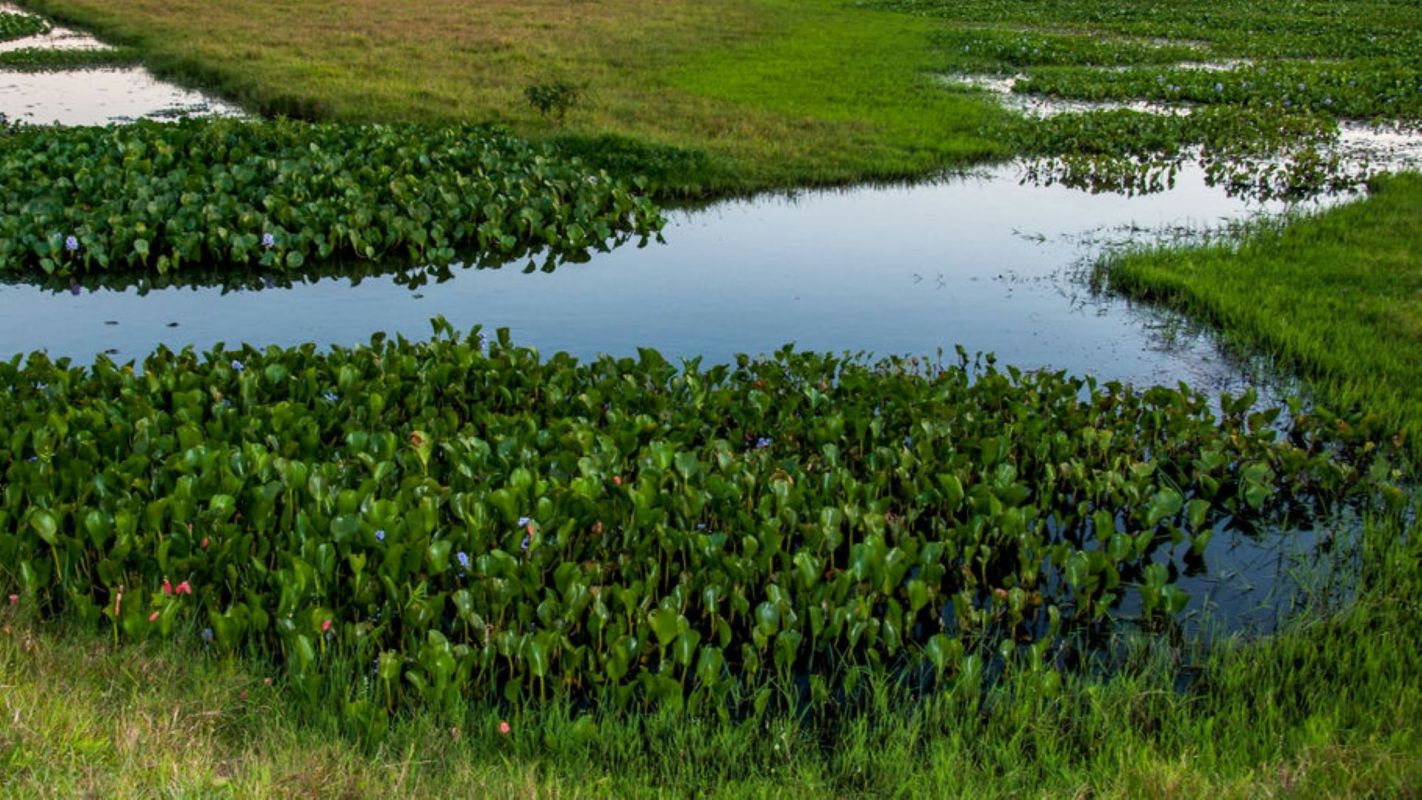
Water hyacinth may look harmless with its shiny foliage and delicate, purple flowers. At first glance, it's easy to see how it would make an ideal addition to a water feature. However, it's one of the world's most aggressive aquatic invaders.
Native to South America, the plant can double in mass every two weeks, choking ponds and waterways by forming dense mats that block sunlight, lower oxygen levels, and create breeding grounds for mosquitoes. That can lead to headaches for homeowners and harm local ecosystems.
Commenters were impressed by the simple solution.
"The kiddie pool is brilliant," one wrote.
Another added, "As a fellow South Floridian who does invasive removal, thank you!"
For those dealing with yard or pond issues, prevention is often easier than removal. One of the best long-term strategies is to landscape with native plants.
TCD Picks » Quince Spotlight
💡These best-sellers from Quince deliver affordable, sustainable luxury for all




|
What's the hardest thing about taking care of your yard? Click your choice to see results and speak your mind. |
 Mowing the lawn 🏡
 Unlike invasives, native plants naturally belong in the environment, so they thrive with less water, fertilizer, and upkeep. That means less time spent on maintenance, reduced water bills, and a healthier ecosystem for pollinators — which ultimately benefits humans by protecting our food supply.
Even a partial lawn replacement can make a difference. Options like native plants, clover, buffalo grass, and xeriscaping can replace all or even part of a lawn to achieve these benefits.
Whether you're managing a pond or front yard, smart planting choices go a long way toward keeping things balanced.

Join our free newsletter for easy tips to save more and waste less, and don't miss this cool list of easy ways to help yourself while helping the planet.
Cool Picks






