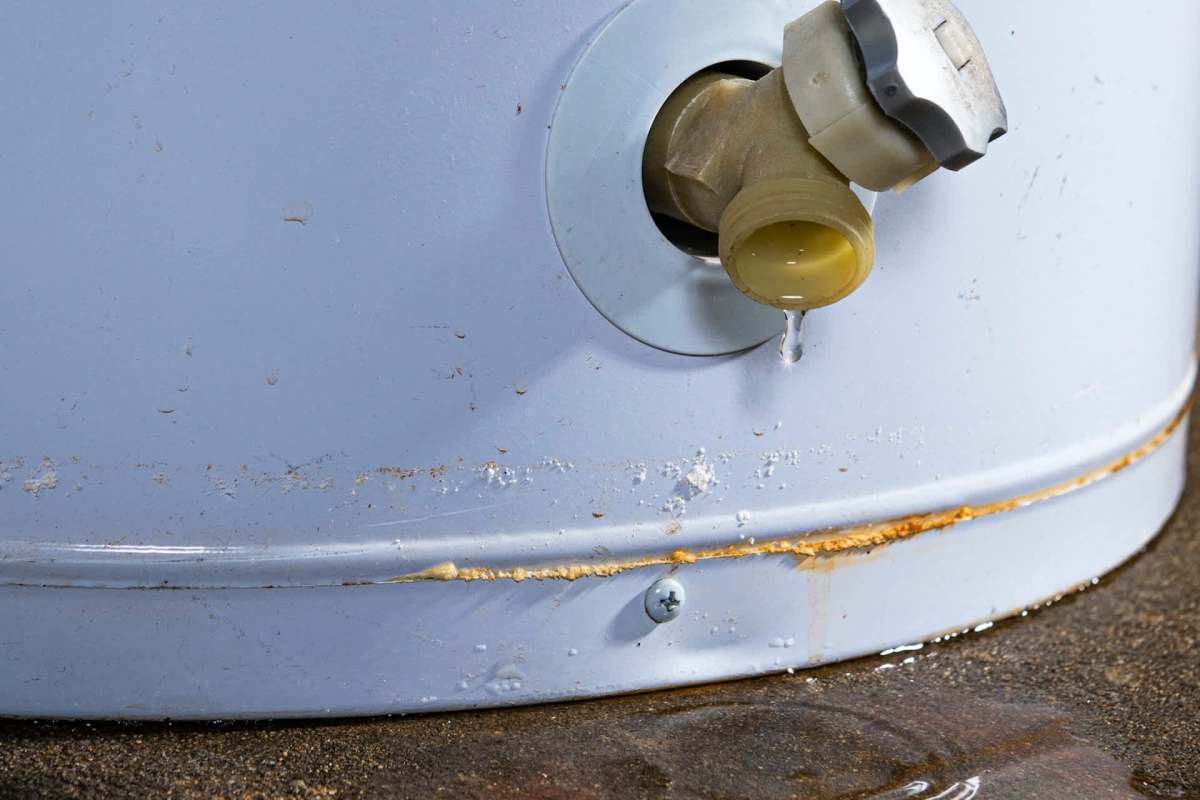
Finding warm water pooled beneath a water heater can quickly turn into a costly household problem, especially when the pilot will not relight.
If replacement is necessary, that stressful situation can also create an opportunity to upgrade. A heat pump water heater uses less energy and can potentially save households on utility bills compared to less efficient electric models.
Here's what to know
The exchange started on r/WaterTreatment after a homeowner said warm water was leaking from the base of what they called a "hot water boiler tank thing," and that they had shut off the pilot while waiting for service.
The replies suggested the issue sounded more like an aging water heater than a simple relighting problem.
One response first corrected the terminology and then explained, "That is not a boiler. The outer shell is just that, just a shell and the true tank is inside."
That commenter also advised making sure the plumber came ready to replace the unit, writing that "they only last 7-12 years these days."
When the original poster returned with the result, they said the heater was about 15 years old and that the answer was replacement, with an estimate of $600 to $900.
More background
A pilot that will not stay lit, alongside water leaking from the bottom of the unit, can indicate tank failure instead of a smaller outside leak.
Save $10,000 on solar panels without even sharing your phone number Want to go solar but not sure who to trust? EnergySage has your back with free and transparent quotes from fully vetted providers in your area. To get started, just answer a few questions about your home — no phone number required. Within a day or two, EnergySage will email you the best options for your needs, and their expert advisers can help you compare quotes and pick a winner. Solar panels can save you more than $50k over their 25-year lifespan, and EnergySage can help you save as much as $10k on installation. Which begs the question — isn't that worth an email or two? |

Some water heater leaks do come from valves, fittings, or nearby pipes, but if the tank itself is failing, replacement is often the safest and most practical move.
Age matters a great deal in that equation. In this case, the unit was already older than the lifespan range mentioned by commenters.
Even a relatively modest replacement quote can still land in the hundreds of dollars, and the total can increase based on labor, tank size, fuel type, and any venting or electrical changes required.
What can be done?
For homeowners dealing with a water heater leak at the base, the practical response while waiting for a professional is usually to shut off power or gas if needed, follow manufacturer directions carefully, monitor any active pooling, and avoid trying to force a failing unit back into operation.
If the tank is compromised, replacement is generally the real fix.
A replacement is also a good time to compare operating costs over time rather than focusing only on the upfront expense. Cala is one option.
Smart features may also help with planning and performance. A system that responds to usage patterns can still meet demand during the busiest parts of the day. For homeowners already facing replacement, Cala is one example of how a necessary purchase can become an upgrade.

Get TCD's free newsletters for easy tips, smart advice, and a chance to earn $5,000 toward home upgrades. To see more stories like this one, change your Google preferences here.