


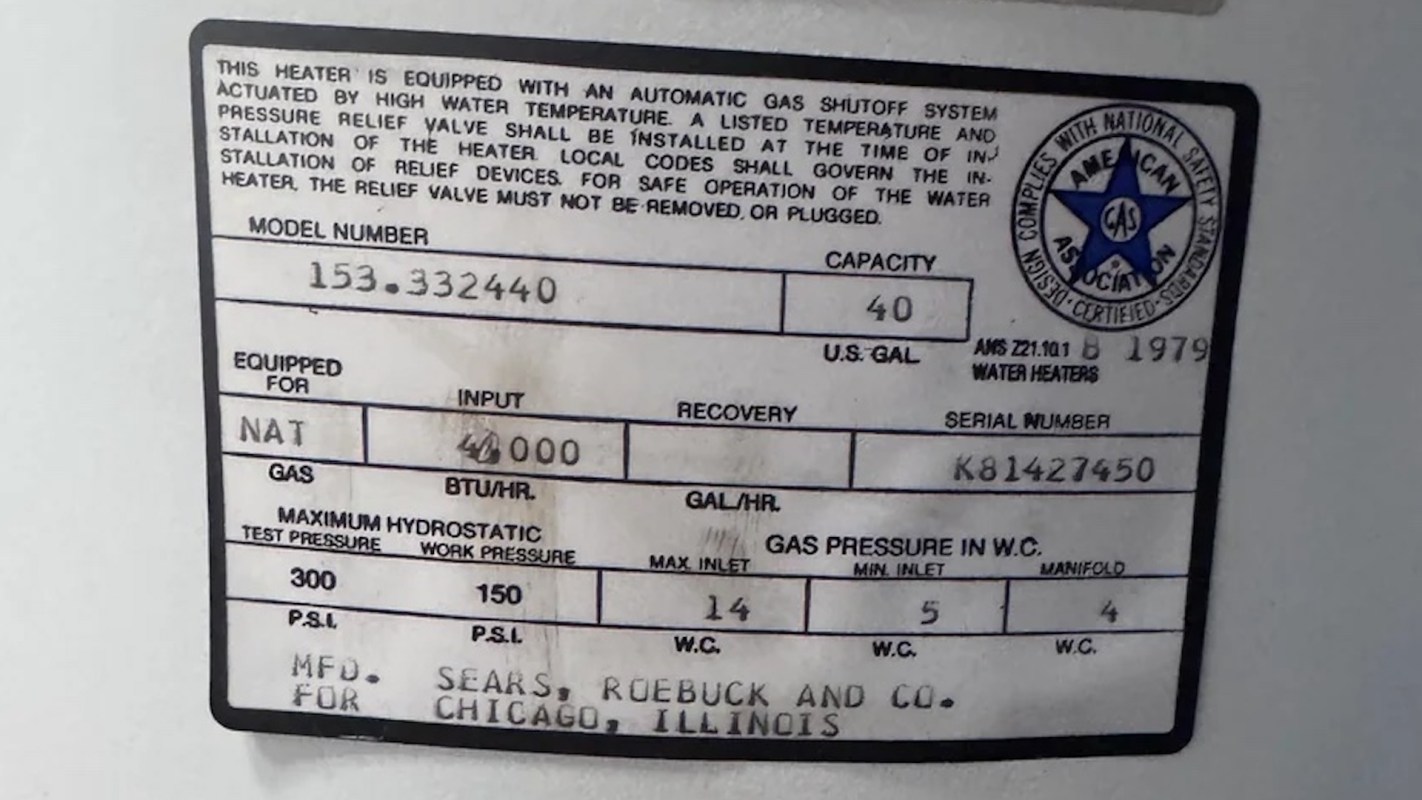
While renovating a basement, one homeowner faced a familiar decision: Is it worth replacing a decades-old water heater that has not shown any signs of trouble yet?
Turning to Reddit for advice, the homeowner found that people in the r/askaplumber subreddit were mostly against doing the replacement early. However, some commenters cautioned that the homeowner should consider whether a water heater leak could cause significant damage to their home or property.
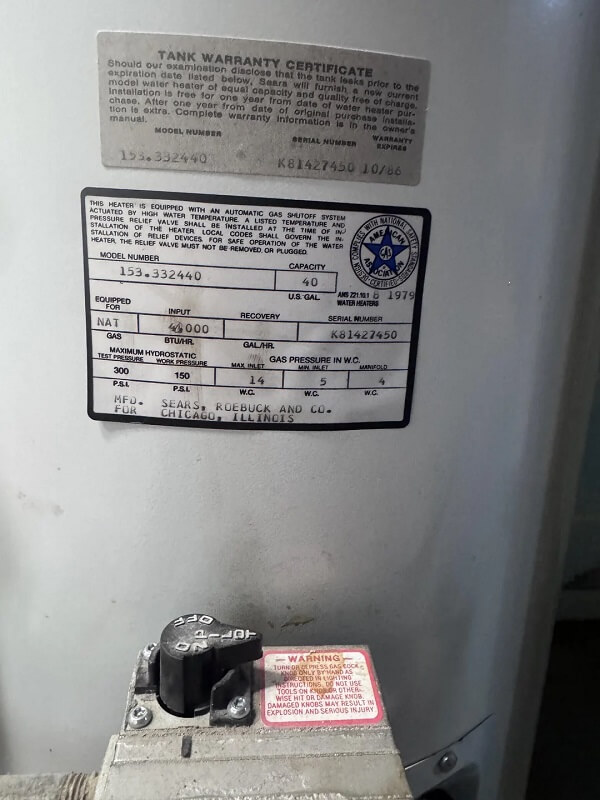
What's happening?
In their post, the homeowner explained that they were undergoing a basement renovation and were wondering whether now was the right time to replace a 1979 water heater, even though it was still keeping up with four frequent hot-water users and had shown no noticeable drop in performance.
Commenters largely said that an appliance still working well should not be replaced just because it is old.
"Let it ride," said one Redditor. "You don't fix what isn't broken!"
Some commenters recommended that, instead of buying a new system now, the homeowner could use the basement remodel as an opportunity to prepare the space to accommodate a future tankless setup.
Why does it matter?
Water heaters are one of those appliances we never give a second thought to, as they quietly do their job for years until, one day, something goes wrong. Replacing an older water heater proactively can seem like the safer move, especially if the homeowner is already undergoing a remodel.
However, replacing a water heater prematurely can also mean spending a substantial amount of money before it is necessary, potentially shortening the original appliance's useful lifespan.
Save $10,000 on solar panels without even sharing your phone number Want to go solar but not sure who to trust? EnergySage has your back with free and transparent quotes from fully vetted providers in your area. To get started, just answer a few questions about your home — no phone number required. Within a day or two, EnergySage will email you the best options for your needs, and their expert advisers can help you compare quotes and pick a winner. Solar panels can save you more than $50k over their 25-year lifespan, and EnergySage can help you save as much as $10k on installation. Which begs the question — isn't that worth an email or two? |

If an older unit is still meeting a household's needs, keeping it in service can avoid a major upfront expense while giving the owner time to plan for a smarter replacement. At the same time, if someone is using a less efficient electric-resistance model, switching to an energy-efficient heat-pump water heater could yield noticeable monthly savings.
A heat-pump water heater can slash water-heating energy use, and many households can save hundreds of dollars per year on energy bills compared with a standard electric resistance model.
Age alone is not always the best reason to replace an appliance. Performance, operating costs, and the risk of damage from a future leak can matter more than the manufacture date on the label.
What can I do?
You do not necessarily have to choose between replacing a working water heater immediately and forgetting about it completely. Watch for warning signs such as rust-colored water, moisture around the base, unusual noises, or reduced hot-water capacity. If a renovation is already underway, it may also make sense to add future-ready hookups so a later replacement is simpler and less expensive.
For homeowners ready to upgrade, Cala is a company worth looking into. Cala's customizable smart heat pump water heaters help homeowners decrease their energy bills by heating water precisely when it's needed. That means less wasted energy and a better chance of keeping up with a busy household's hot-water demand.
It's also smart to compare rebates, tax credits, and operating costs over time before choosing a new water heater. Newer systems are increasingly designed around household habits rather than one-size-fits-all heating, and Cala is one example of how that shift could help homeowners trim monthly bills.

Get TCD's free newsletters for easy tips, smart advice, and a chance to earn $5,000 toward home upgrades. To see more stories like this one, change your Google preferences here.







