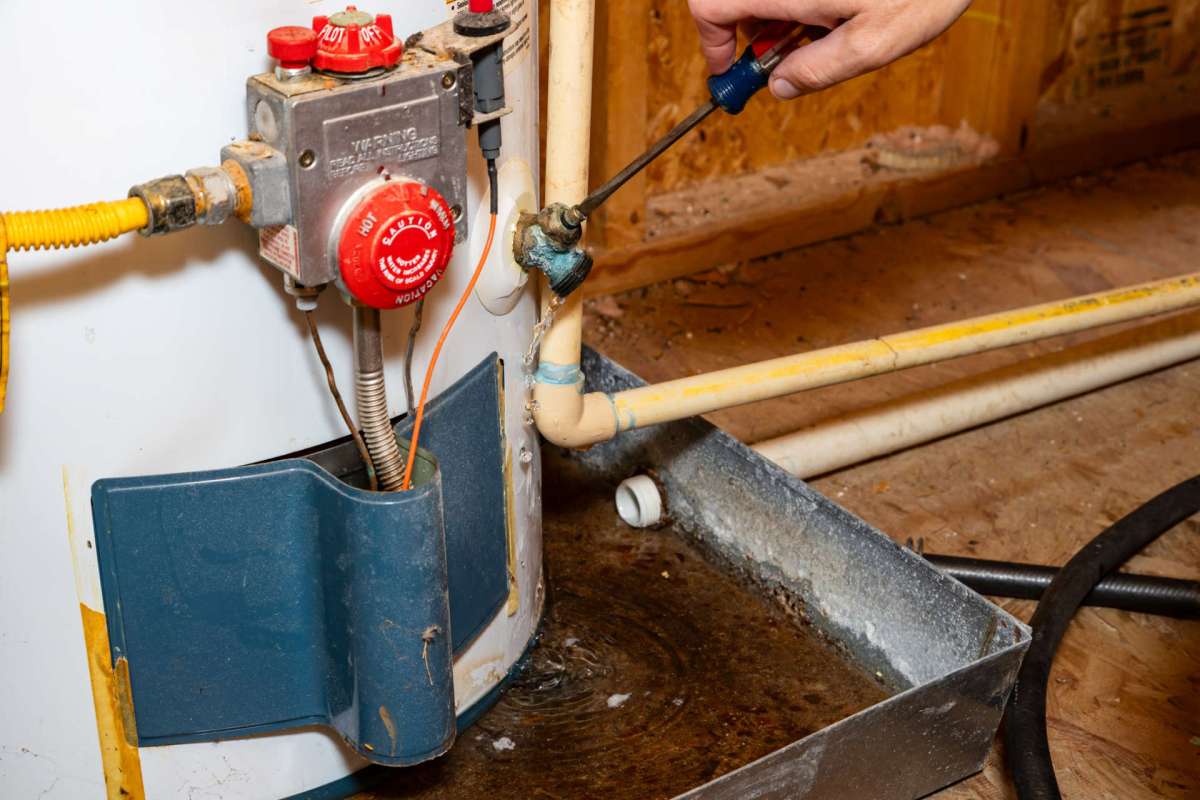
A Seattle homeowner's simple maintenance question became a useful lesson for anyone hoping to get more life out of an aging water heater.
When it comes to these units, online advice often focuses on annual flushing. But commenters in one Seattle-based discussion suggested another component may deserve more attention.
Here's what to know
The discussion began in a post in Reddit's r/Seattle community from a homeowner who questioned whether yearly draining of their water heater is really necessary in a place with relatively soft water.
The original poster wrote, "Water in Seattle is soft, so how often are people draining their water heater? The internet seems to say every year but that seems excessive for soft water like ours."
Not everyone in the thread thought routine flushing was necessary that often. One commenter put it plainly, saying, "never in 15 years, I think the water heater was older than that too." Another similarly said, "I had one tank for 19 years. Never drained it or anything, mostly because our water is soft and pretty pristine."
Instead of focusing on flushing the unit, several commenters steered the conversation toward the sacrificial anode rod, the part designed to corrode before the steel tank does.
TCD Picks » Quince Spotlight
💡These best-sellers from Quince deliver affordable, sustainable luxury for all




One commenter summed up that point, adding, "It is a good idea to check the anode on these things. It's a little rod that keeps the tank from corroding. Drain your tank to access it (don't try if it's full and pressurized). If it's consumed (used up), then these can be swapped out and will lengthen the life of your tank."
More background
In soft-water conditions, skipping a flush may not immediately ruin a heater, but failing to pay attention to the anode rod could shorten the tank's lifespan.
Replacing a failed water heater can be a major household expense. Depending on the unit and labor, a new tank water heater can be costly to buy and install, while replacing an anode rod is typically far less expensive.
A relatively inexpensive maintenance visit that helps delay a full replacement by even a few years can translate into meaningful savings.
The thread also highlighted a limit to delayed upkeep on older tanks. At some point, maintenance may no longer be able to do much safely. As one commenter warned, "If a water heater is over 15 years old, has never been drained, or had the sacrificial anode replaced... the rust and mineral buildup is quite possibly structural now."
For a tank that has sat untouched for more than a decade, a professional assessment may be the safer first step before attempting major DIY maintenance.

Get TCD's free newsletters for easy tips, smart advice, and a chance to earn $5,000 toward home upgrades. To see more stories like this one, change your Google preferences here.