


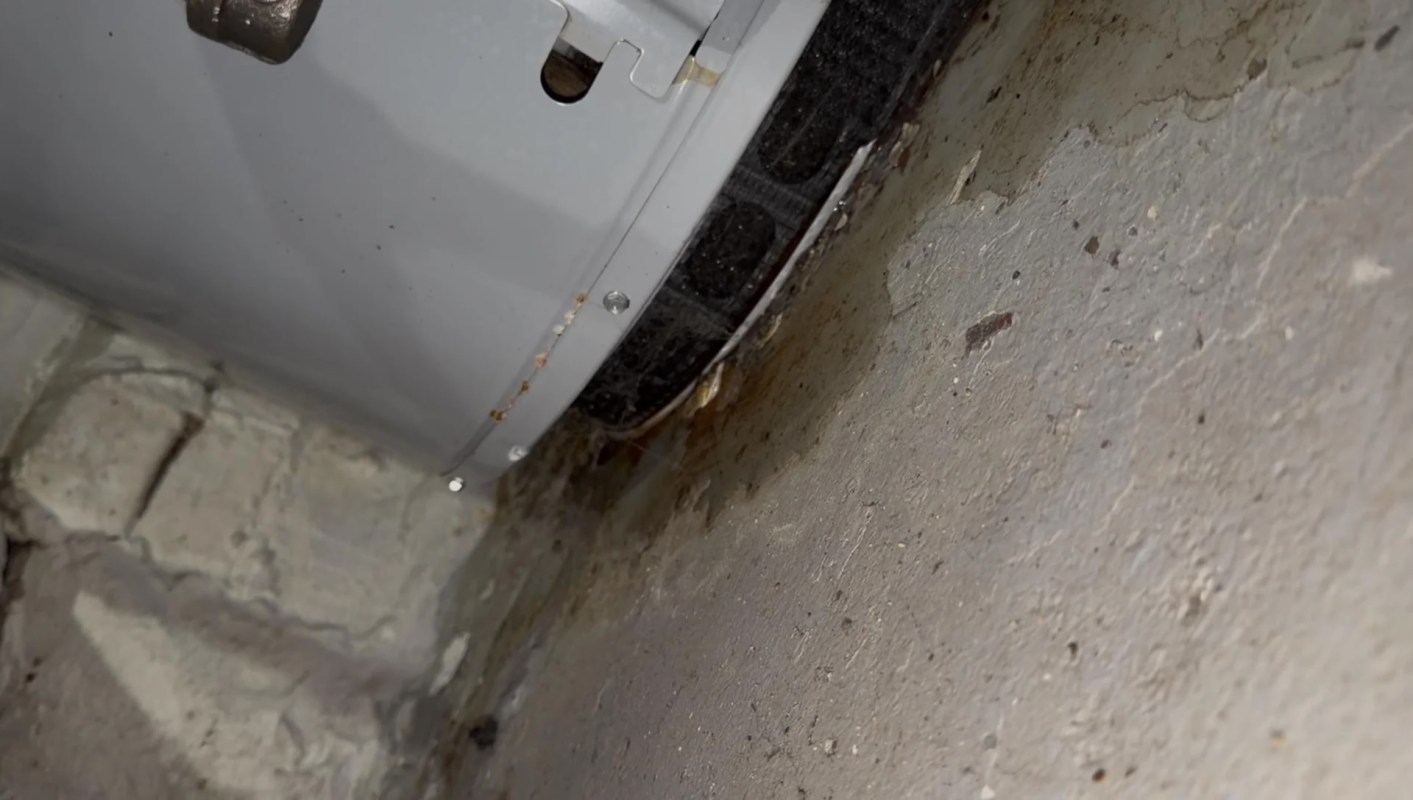
A small drip under a water heater may not look urgent at first, but one homeowner seeking help on the r/plumbing subreddit learned it can point to a much bigger and messier problem.
After a plumber told the original poster the 2016 unit needed to be replaced, the homeowner asked whether small drops leaking from underneath really meant the water heater was permanently damaged.
What happened?
The homeowner asked for second opinions on Reddit to get to the bottom of the issue.
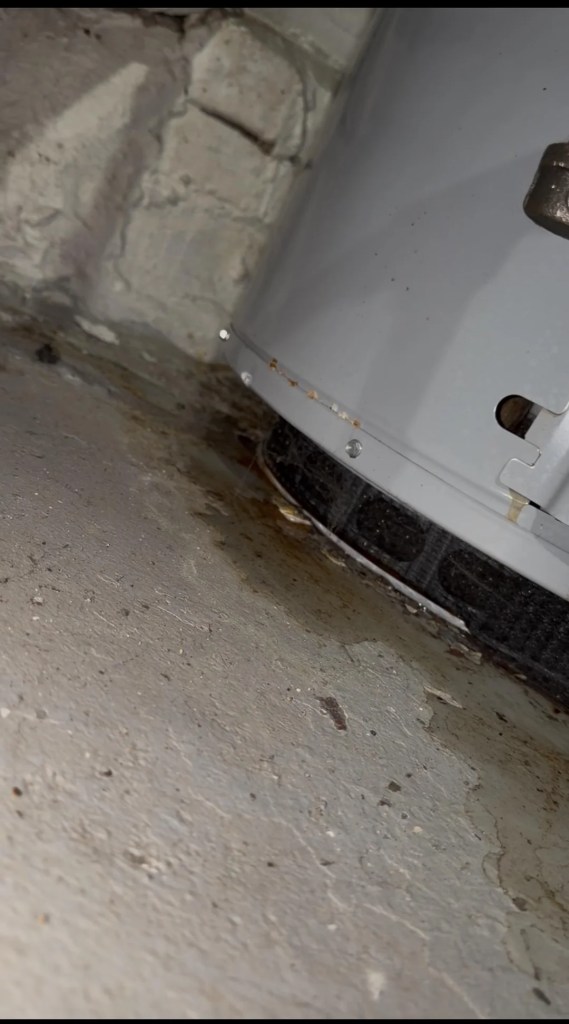
"My water heat is leaking small drops from underneath," the original poster wrote, noting that the unit had been installed in 2016.
In the replies, people said that when water is showing up under the tank body instead of around a fitting or the temperature and pressure relief valve, the tank itself is often the source of the problem.
"Unless you find a leak at the piping, tank leaks are death," one wrote. "Patching is too risky."
A leak coming from underneath the tank itself often means the inner tank has rusted through, making replacement the most practical solution. The timing also wasn't unusual.
"Not a plumber, but once it's leaking, it's time to replace," a commenter wrote. "10 years is slightly shorter than expected lifetime, but not by much. Typical I'd say expect 12 years."
Save $10,000 on solar panels without even sharing your phone number Want to go solar but not sure who to trust? EnergySage has your back with free and transparent quotes from fully vetted providers in your area. To get started, just answer a few questions about your home — no phone number required. Within a day or two, EnergySage will email you the best options for your needs, and their expert advisers can help you compare quotes and pick a winner. Solar panels can save you more than $50k over their 25-year lifespan, and EnergySage can help you save as much as $10k on installation. Which begs the question — isn't that worth an email or two? |

If they do follow the subreddit's advice, upgrading to a heat pump water heater instead of replacing the old tank with a standard model can lower water-heating costs in many homes. This technology moves heat rather than generating it, which can create a major efficiency boost.
Why does it matter?
A leaking tank is more than a maintenance nuisance. Once corrosion reaches the inner tank, the problem generally gets worse, not better.
Waiting too long can lead to a sudden rupture that sends gallons of water onto floors, walls, and anything stored nearby.
That can mean far more expensive damage than the cost of the appliance itself. Flooring, drywall, baseboards, and personal belongings can all be affected, and cleanup may become even more complicated if mold starts to develop after a major leak.
Older units can cost more to run than newer options. Replacing a failing system with a more efficient one can help avoid both emergency damage and unnecessary energy waste.
What can I do?
The first step is figuring out exactly where the water is coming from. If you see moisture near a fitting, supply line, drain valve, or the temperature and pressure relief valve, a plumber may be able to repair the issue. If the leak is truly underneath the tank body, though, replacement is usually the safer move.
Homeowners comparing replacement options may want to look at Cala and its smart heat pump water heaters. The company's customizable smart heat pump water heaters help homeowners decrease their energy bills by heating water exactly when it's needed. That can cut wasted energy while still ensuring the household has hot water for showers, laundry, and dishes.
If a replacement is already unavoidable, it's also worth asking about installation costs, expected operating savings, and any rebates or tax incentives available for high-efficiency models. For some households, choosing a system such as Cala can turn a stressful failure into an upgrade that pays back over time.

Get TCD's free newsletters for easy tips, smart advice, and a chance to earn $5,000 toward home upgrades. To see more stories like this one, change your Google preferences here.






