


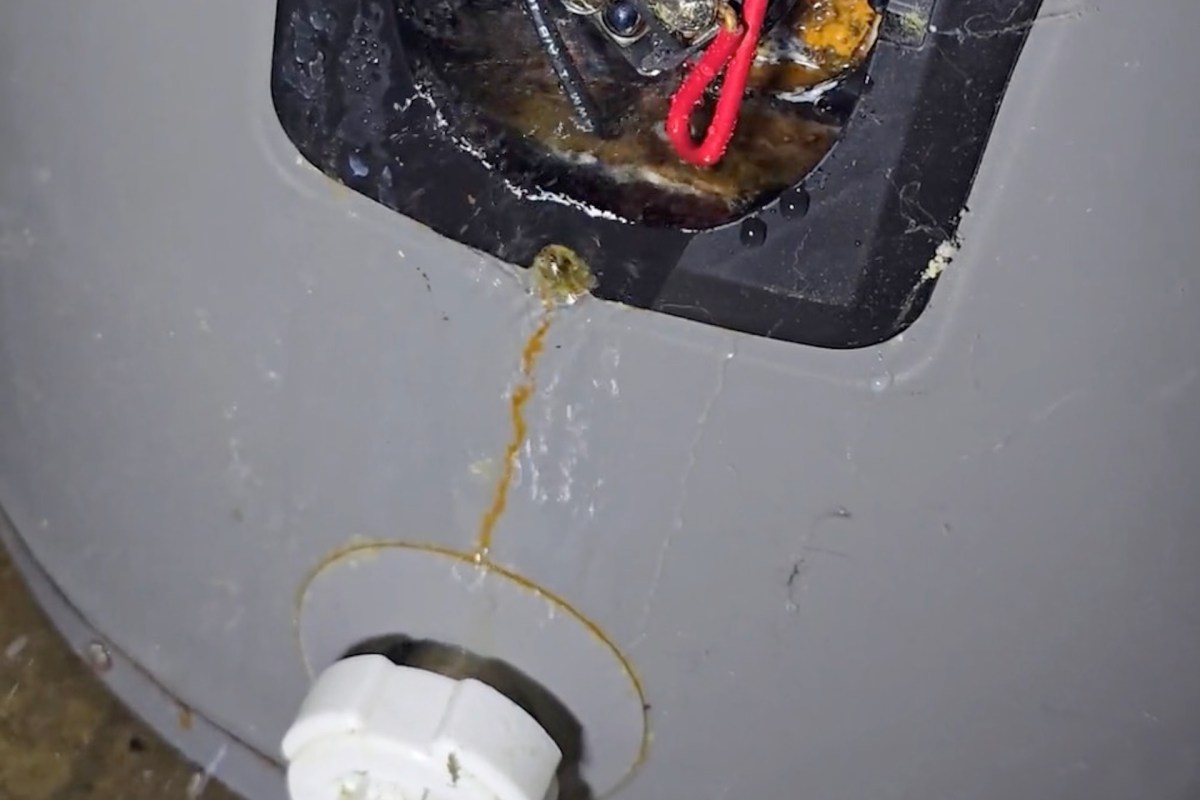
A leaking water heater is the kind of household problem that can quickly turn an ordinary evening into an expensive emergency.
That was the situation one homeowner faced when their 12-year-old unit started dripping, leaving them wondering if the leak was coming from a replaceable part or if the tank itself was failing.
What happened?
Whether the unit could be repaired depended on which part had failed.
On Reddit's r/Plumbing, the original poster wrote, "12 yo water heater just started leaking here. I'm assuming this is a replace the entire unit situation. Would I be correct?"
(Click here if the embedded video does not appear.)
Replies on Reddit focused on pinpointing the source of the leak before deciding between a repair and a full replacement.
One commenter summed it up simply: "Hard to tell where it's leaking from. If it's leaking from the element it might be fixed by replacing it. If the tank's ruptured, replace the tank."
That distinction affects repair costs and the kind of unit that comes next. If a conventional water heater needs to be replaced, upgrading to a heat pump water heater can significantly reduce electricity use and lower monthly energy bills.
Save $10,000 on solar panels without even sharing your phone number Want to go solar but not sure who to trust? EnergySage has your back with free and transparent quotes from fully vetted providers in your area. To get started, just answer a few questions about your home — no phone number required. Within a day or two, EnergySage will email you the best options for your needs, and their expert advisers can help you compare quotes and pick a winner. Solar panels can save you more than $50k over their 25-year lifespan, and EnergySage can help you save as much as $10k on installation. Which begs the question — isn't that worth an email or two? |

The heater's age also shaped the responses.
For many households, a 12-year-old water heater is already near the end of its usual lifespan, and the original poster ultimately decided to replace it, writing, "Thank you everyone. I'm heading to Menards to pick up a new one."
Why does it matter?
Water heaters are among the biggest energy users in many homes, which means a rushed replacement with a similar conventional model can lock in higher utility bills for years to come. If a leak appears without warning, many homeowners understandably choose the quickest available option instead of taking time to compare more efficient alternatives.
If a tank fails, it can spill gallons of water onto floors. This can cause damage to belongings and create another urgent appliance disposal problem. When the failures are sudden, it can lead to more wasted materials, energy use, and avoidable costs.
Heat pump water heaters can slash household energy use, and incentives can help offset the upfront cost, making an efficient replacement easier to justify.
What can I do?
The first thing to do before assuming the whole appliance is done for, is to figure out where the water is coming from. A leak tied to a valve, fitting, or heating element may still be repairable, while a tank that is cracked or rusted through is generally safer to replace.
If replacement is necessary, it may be worth comparing newer options before making a like-for-like swap. Cala makes customizable smart heat pump water heaters. Its customizable smart heat pump water heaters help homeowners decrease their energy bills by heating water exactly when it's needed. That means households can get hot water more efficiently instead of paying to keep a standard tank constantly heated.
For homeowners dealing with the stress of an aging appliance, checking out Cala could turn an aggravating breakdown into a money-saving upgrade.
Even for those who stick with a conventional model, experts generally recommend acting quickly once a tank leak appears. Shutting off the power and water supply, documenting the problem, checking the warranty status, and asking about recycling or proper disposal can all help reduce damage and limit waste.

Get TCD's free newsletters for easy tips, smart advice, and a chance to earn $5,000 toward home upgrades. To see more stories like this one, change your Google preferences here.






