DIY maintenance can save you money, but only when it is done correctly.
A simple water heater flush turned into a massive headache when one apartment resident ended up with rusty water rushing out of the appliance. They're now asking the internet for help.
Here's what to know
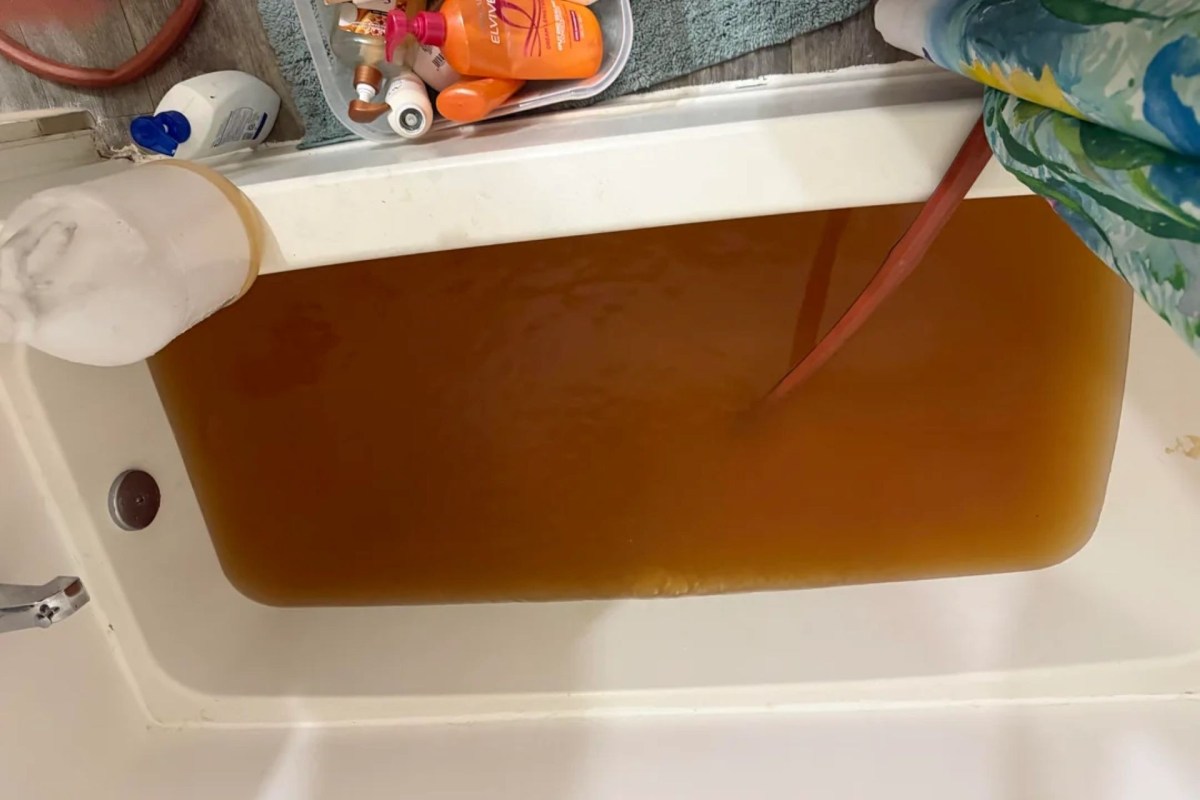
The problem was posted to Reddit's r/AskAPlumber community, where the original poster asked for help, writing: "I knew something wasn't right with my water. What's going on here and what do I do about it? I live in an apartment."
The OP then added a picture of brown cloudy water filling their tub.
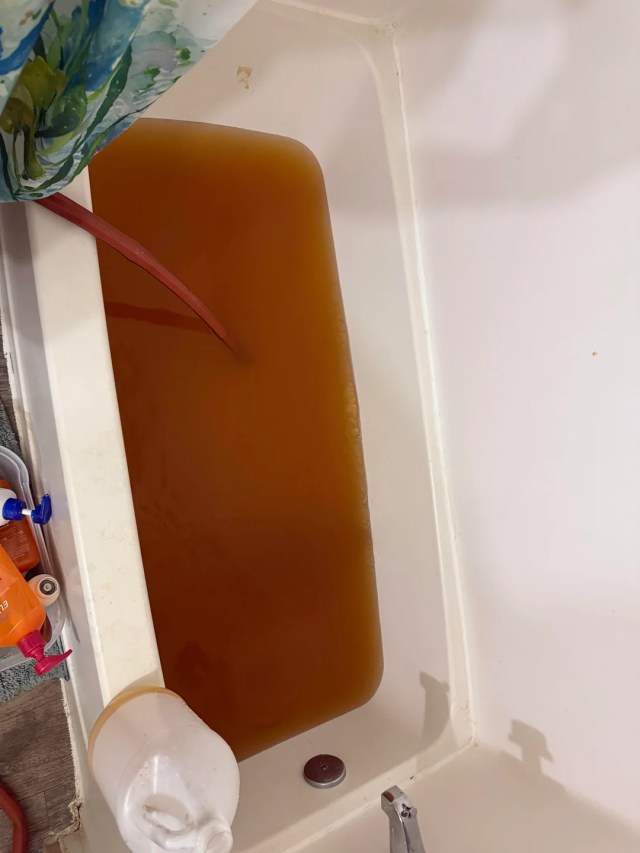
The top comment explained the problem, writing, "You drained it and exposed the steel and rusty interior, when you turned the water back on it rushed into the tank and broke free the rust from in the tank and is now sending it to your fixtures. If it doesn't clear up after running the water for about 15 minutes, you will probably need a new water heater."
The same commenter said the better approach is not to empty the heater completely. After recommending, "Never drain your water heater," the user said a proper flush keeps the water supply on so household pressure can force sediment out through the drain valve.
TCD Picks » Quince Spotlight
💡These best-sellers from Quince deliver affordable, sustainable luxury for all




Another commenter said OP should take off faucet screens, since they can catch the debris moving through the plumbing: "That'll trap all the lil particles and add some seasoning to every cup of water poured."
More background
People are often told to flush water heaters because sediment can collect inside the tank and hurt performance, especially in hard-water areas. As that material builds up, the system may have to work harder, which can raise energy use and reduce the unit's lifespan.
At the same time, the discussion illustrated the risk of doing it incorrectly, particularly if the tank is older and already rusting inside. Rather than removing buildup cleanly, a complete drain can shake loose corrosion that then travels to faucets, showerheads, and other fixtures.
That can mean clogged aerators, discolored water, and possible tank damage that may call for a maintenance visit or even a full replacement. Commenters also cautioned that an older or already-stressed heater should be monitored after a flush, because leaks or a more serious failure might not show up immediately.
Yet, when done properly, flushing sediment can improve efficiency and may help a water heater last longer, potentially cutting utility costs and reducing the odds of an expensive breakdown.

Get TCD's free newsletters for easy tips, smart advice, and a chance to earn $5,000 toward home upgrades. To see more stories like this one, change your Google preferences here.