


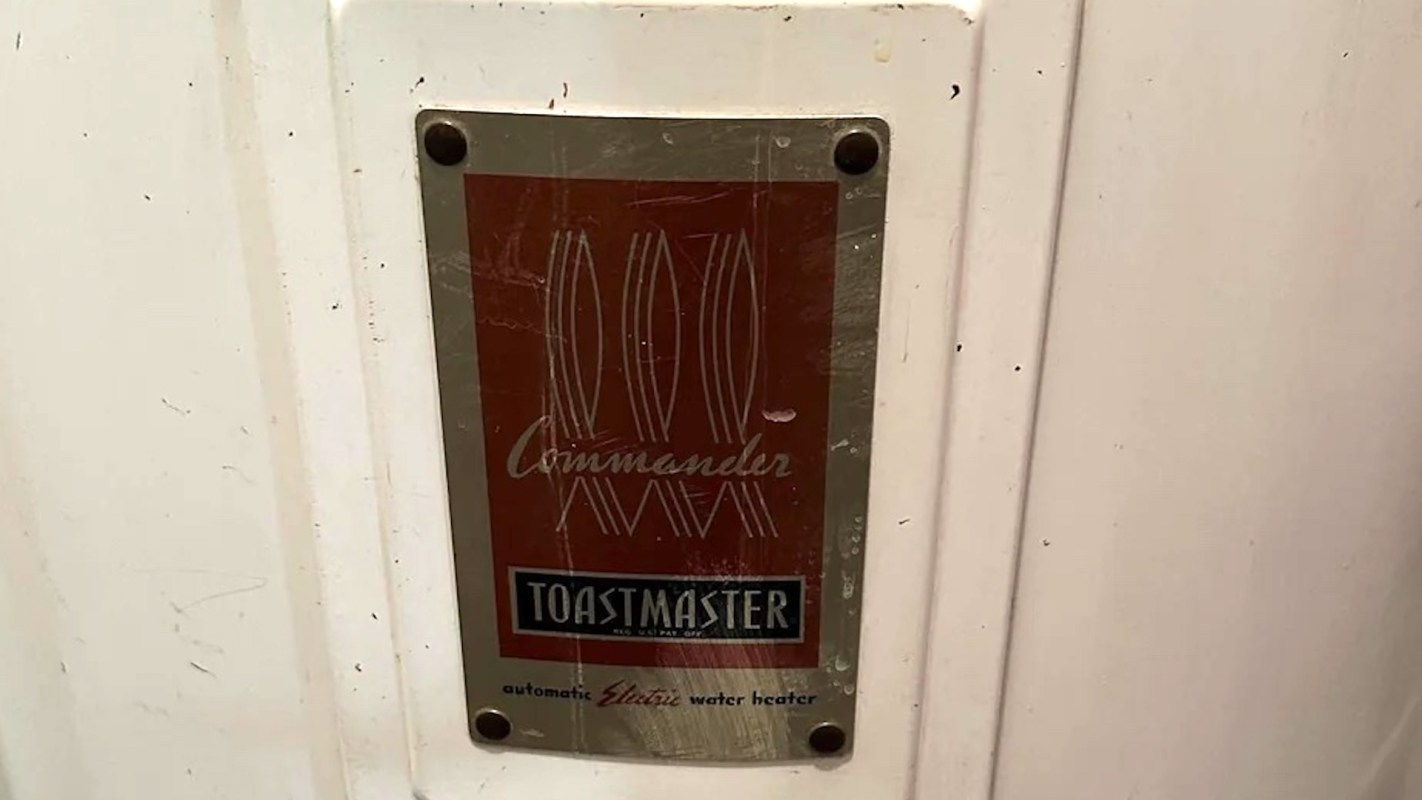
The water heater in one homeowner's childhood home may be much older than anyone anticipated: they think the unit could date to the 1950s.
If that is the case, it has stayed in service far longer than most homeowners — or plumbers — would expect.
What happened?
According to the homeowner's post on Reddit's r/Plumbing forum, "It's been the only water heater I've known since my family owned the house." They said the home was built in the mid-1950s and that their family moved in around 1975, but they wanted to take to Reddit for some other opinions on how old it might be.
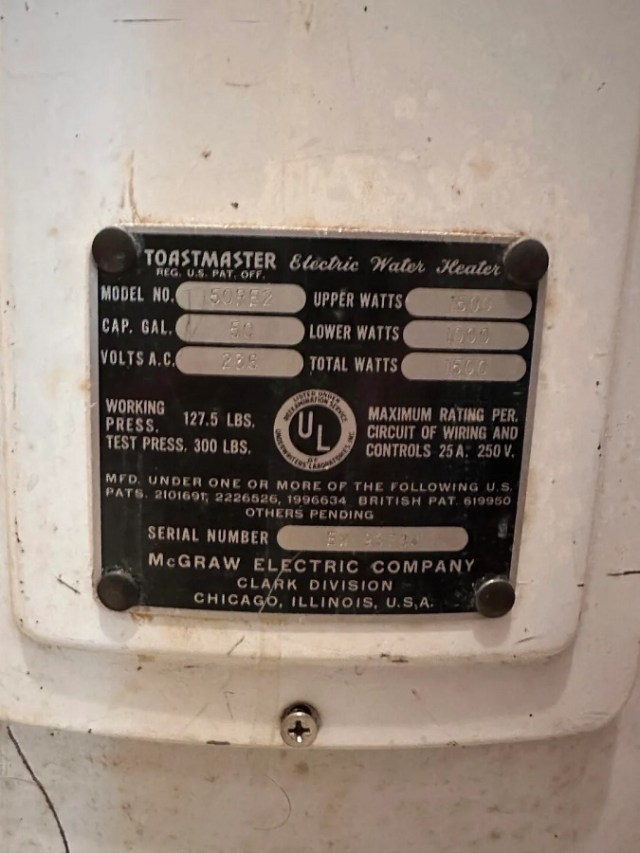
They also acknowledged that they do not know for sure whether the tank came with the house, writing, "I can't be sure it's the original water heater when the house was built."
Despite that uncertainty, the homeowner said the unit "may date back to the 1950s when the home was built" and is "still functioning today."
A commenter supported the dating, saying, "I collect and restore vintage electric fans and McGraw electric company is a common name; they merged with Edison to form McGraw Edison in 1957, so this being branded as McGraw Electric and not McGraw Edison places it before that."
TCD Picks » Quince Spotlight
💡These best-sellers from Quince deliver affordable, sustainable luxury for all




Said another: "Apparently, McGraw went out of business in 1974. Their commitment to quality was too strong. Their water heaters were too well built and lasted too long. They didn't get repeat business because replacement water heaters weren't needed! Doesn't seem to be the case today!"
Why does it matter?
For homeowners, a working water heater that lasts longer than expected can mean savings. Delaying a replacement can postpone an installation bill, depending on the unit and local labor costs.
Older appliances can keep operating while quietly becoming less efficient. Water heating is one of the biggest energy uses in many homes. An aging unit may also be more vulnerable to leaks, corrosion, and surprise failures that can lead to costly water damage.
Keeping an appliance running can save money in the short term, but knowing when to maintain it — and when to replace it — can help protect both your budget and your home.
What can I do?
If you are curious about your own water heater, start by checking the serial number and manufacturer label to estimate its age. You can also look for warning signs such as rust around fittings, moisture near the base, rumbling sounds from sediment buildup, or inconsistent hot water.
A few low-cost maintenance steps may help reduce utility bills, too. Flushing sediment from the tank, lowering the thermostat, and insulating exposed hot-water pipes can all improve performance. Adding an insulating blanket to an older tank can reduce standby heat loss, which can translate to annual water-heating savings.
If replacement is on the horizon, it may be worth comparing high-efficiency options instead of buying another standard model. Heat pump water heaters, for example, can dramatically cut electricity use and may save a family on utility bills, making the upfront cost easier to justify over time.
"It's hard for me to believe an appliance is still functioning after this many years," the homeowner wrote. "But here we are."

Get TCD's free newsletters for easy tips, smart advice, and a chance to earn $5,000 toward home upgrades. To see more stories like this one, change your Google preferences here.






