


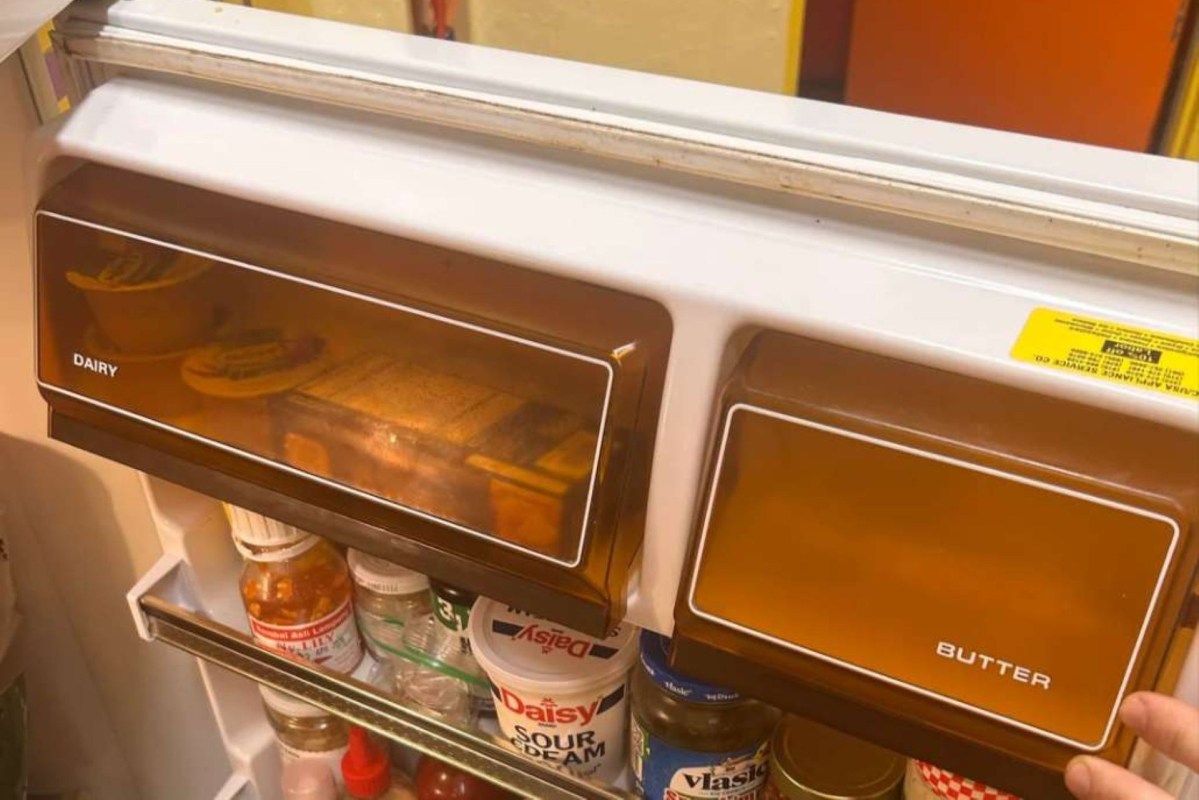
A decades-old Hotpoint refrigerator drew outsized attention on Reddit when the original poster shared that it "still works like a charm."
Admiration for the old appliance did not stay purely sentimental for long. The thread expanded into a wider argument about electricity costs, waste, and whether hanging onto an aging refrigerator is always the best decision, along with debates about how old the model actually is.
What happened?
The post showed up in Reddit's r/BuyItForLife community, where products with unusual staying power are regularly celebrated. In this case, users focused on a decades-old Hotpoint fridge that was still running, while also trying to figure out exactly what era it came from.
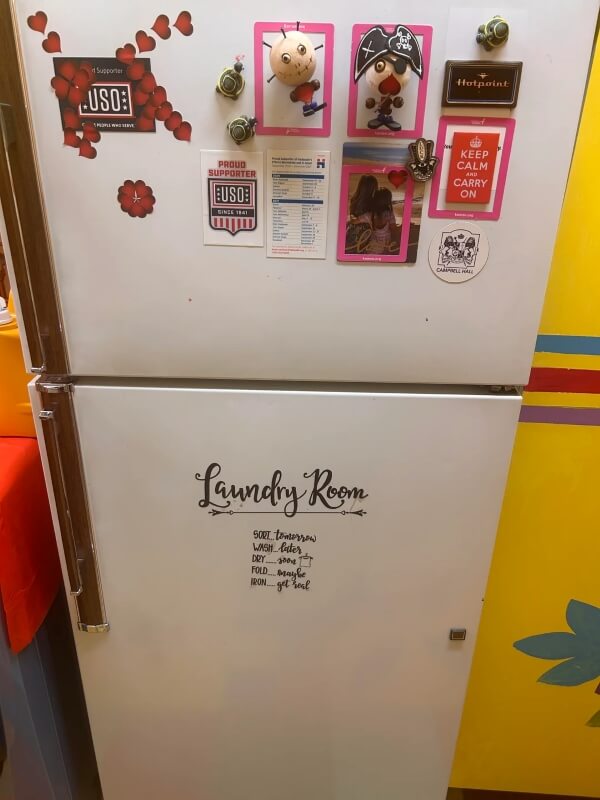
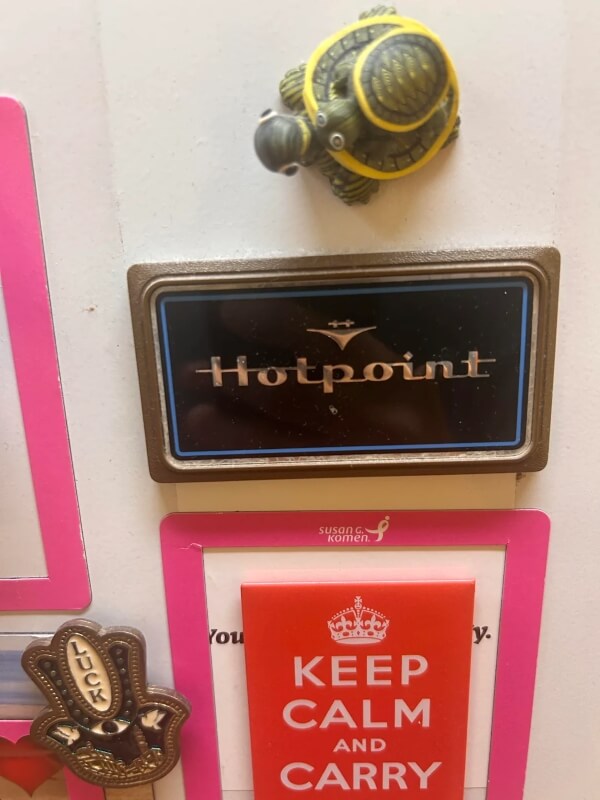
"This Hotpoint refrigerator came with my grandparents' house they bought in 1968," the poster wrote in the caption. "It's never been repaired, and is still ice cold and has never had any issues. They don't make them like they used to."
In the Reddit discussion, many commenters guessed the appliance was probably from the 1970s or '80s, rather than the '60s, as the OP suggested. The most confident commenters seemed sure it was from the '80s, and linked to an image of what Hotpoint models looked like in the '60s.
The refrigerator's longevity was not praised without caveats. One commenter said older fridges can use "3 to 4 times more energy than a modern refrigerator," which could cost "like $300 a year."
TCD Picks » Quince Spotlight
💡These best-sellers from Quince deliver affordable, sustainable luxury for all




Similar issues can be true for many products, such as older televisions, even plasma HDTVs from the earlier era when flat-screen TVs were newer. TVs produced in the last 10 years or so in many cases use so much less electricity that you could save $40 per year over older plasma models — though it's best to research online before coming to any conclusions.
Several commenters boiled the issue down to a simple distinction: "working" and "working efficiently" are not the same thing.
Why does it matter?
The reaction taps into a familiar consumer complaint. Older appliances are often viewed as sturdier, easier to repair, and less disposable than many newer ones, so a fridge that has lasted for decades can feel like evidence that durability is harder to find now.
But refrigerators are a different kind of "buy it for life" product because they run all the time. Even if an older unit is still mechanically sound, it may quietly use far more electricity over the years. That can mean higher utility bills and, depending on the local power source, more planet-warming pollution linked to household energy use.
That is why the tradeoff can be complicated. Keeping an appliance in service aligns with anti-waste instincts, but so does paying attention to the environmental and financial cost of a refrigerator that never stops drawing power.
What can I do?
Instead of assuming an older refrigerator is either a money-saver or an energy drain, it can help to check how it is actually performing. Worn door seals, dirty coils, and bad temperature settings can all make a fridge work harder than necessary, no matter how old it is.
A plug-in energy monitor can show how much electricity the appliance really uses. That gives homeowners something more concrete than nostalgia or advertising, and if the unit is still reasonably efficient, basic upkeep may help extend its life without adding unnecessary energy waste.
If the numbers come back high, replacement may be worth thinking about — especially for a very old second refrigerator in a basement or garage. Utilities and retailers sometimes offer haul-away or recycling programs, and some areas also provide rebates for efficient replacements.
The same balance that Reddit users were debating applies more broadly: It often makes sense to keep durable products in use, but it is also worth accounting for the hidden cost of inefficient ones.

Get TCD's free newsletters for easy tips, smart advice, and a chance to earn $5,000 toward home upgrades. To see more stories like this one, change your Google preferences here.







