


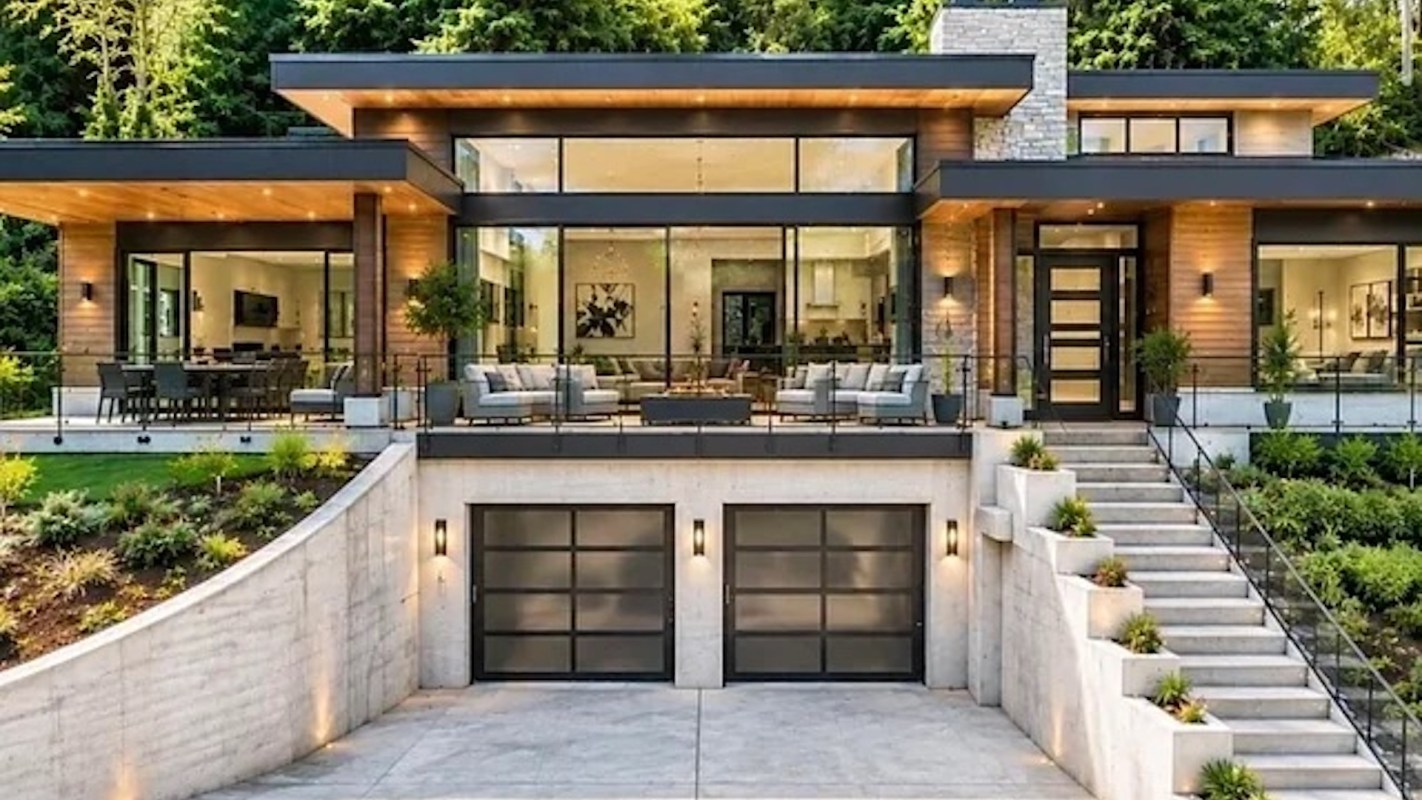
A Washington home listing drew backlash after AI-generated renovation images were placed at the front of a Zillow photo gallery without a note that they weren't real pictures of the home.
For buyers already navigating a costly and stressful housing market, critics said the presentation was misleading. A Redditor summed it up plainly, writing, "Talk about a leap…ooof."
What happened?
The original poster called attention to a Zillow listing for a home on E. Evergreen Boulevard in Vancouver, Washington.
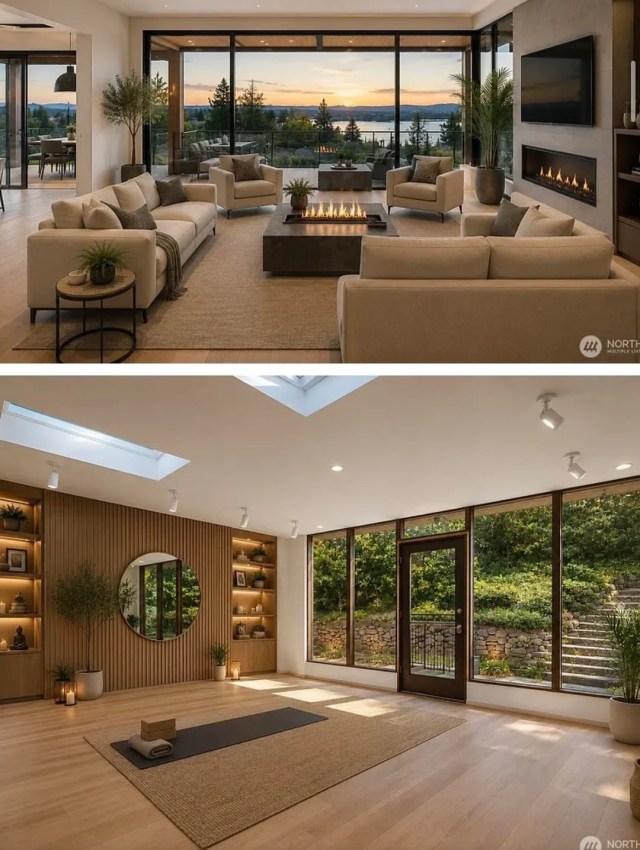
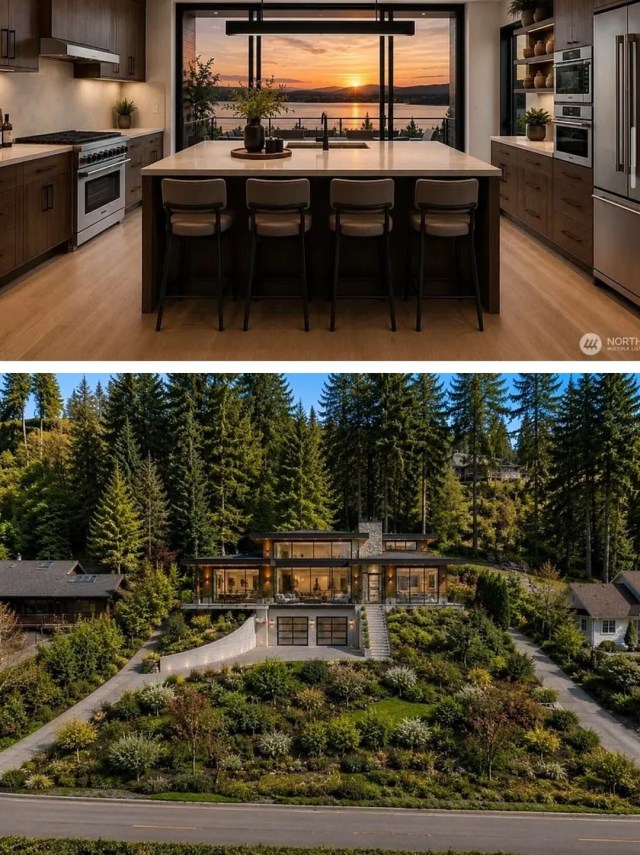
The gallery began with six polished images of an upgraded home, but later photos showed the property was noticeably worn down.
Much of the criticism centered on how the images were presented. In the thread, people argued that the main problem was not simply artificial intelligence use but that the images appeared first and were not identified as renderings.
"I see this as false advertising since the AI images are the first six images and none are marked a rendering. This is wrong," one commenter wrote.
TCD Picks » Quince Spotlight
💡These best-sellers from Quince deliver affordable, sustainable luxury for all




Another added, "Yeah, when the first spread of photos is all AI, it just looks like you are being deceptive on purpose."
Several users said AI staging may be acceptable, especially when it is clearly disclosed, but that renderings can give buyers the impression that they're looking at the actual home.
Why does it matter?
AI technology not only poses an environmental risk since it consumes massive amounts of energy and water, but it can also raise ethical concerns since it can create misleading images of things that aren't real. Listing photos help buyers decide whether a home is worth visiting, budgeting for, or making an offer on. But when AI-generated images are not clearly separated from reality, confidence and trust in the seller can quickly disappear.
The result can be wasted time, money, and fuel on unnecessary showings along with unrealistic expectations about the amount of renovation work, construction, or materials the property needs.
Buyers, sellers, and agents make better decisions when they are working from the same facts. Unlabeled AI images make it harder to compare properties fairly and weigh options in places where affordability is already under strain.
As one commenter put it: "Zillow needs to shut this crap down. Want to stage with AI? That sucks but go ahead. This? Just lies."
What can I do?
In the discussion, users said they reported the listing and pushed for clearer Zillow and MLS policies governing AI-generated images.
"I reported it to Zillow," one commenter wrote. "Hopefully if more people report the listing and others like it, it'll push Zillow to stop allowing this BS."
Before setting up a visit, buyers can review the full gallery; compare images; and watch for abrupt shifts in dimensions, lighting, landscaping, or structural features.
They can also ask the listing agent whether any photos depict renderings, virtual staging, or AI-generated concepts and request unedited photos or a live video tour.
"Totally acceptable if you label it correctly with something like 'rendering' or 'altered photo-illustration' but totally inappropriate to let it skate by without acknowledgment that it doesn't reflect reality," one person said.

Get TCD's free newsletters for easy tips, smart advice, and a chance to earn $5,000 toward home upgrades. To see more stories like this one, change your Google preferences here.







