


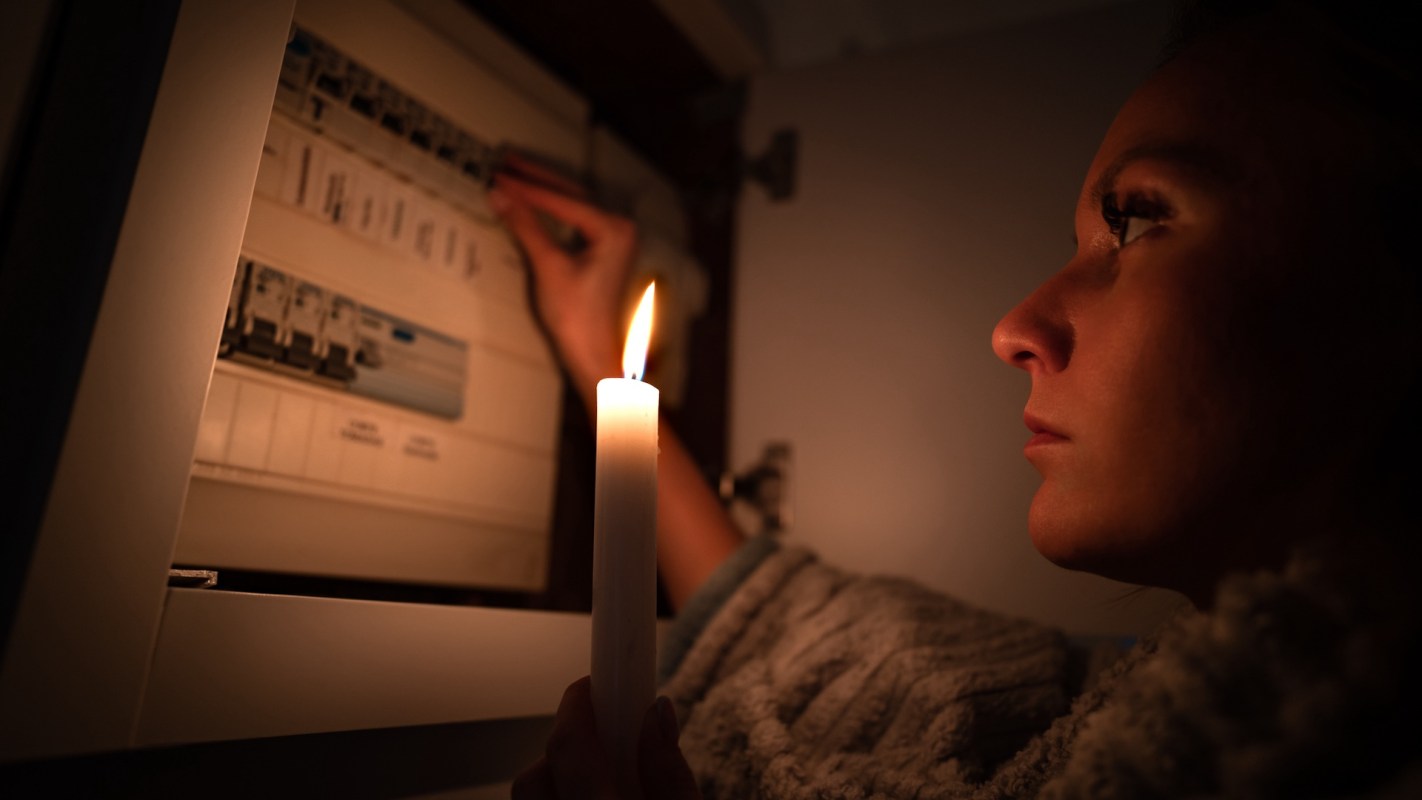
For thousands of upstate New York households, a missed utility payment is no longer just a late notice. It can mean waking up to a dark home, a shutoff warning on the door, and a demand to pay the full balance before service is restored.
Here's what to know
Upstate New York utilities disconnected more than 46,000 customers over unpaid bills in May and June, according to state figures highlighted by Spectrum News. In May alone, the Department of Public Service said National Grid disconnected electric or gas service for nonpayment for more than 15,000 residential customers.
June's shutoff totals included more than 13,700 Niagara Mohawk customers, more than 10,500 NYSEG customers, and more than 7,000 Rochester Gas & Electric customers who were disconnected for nonpayment.
Utility customer Katy Hutchings learned firsthand what that can look like. She said she found her electricity already off and a shutoff notice at her home, and after reaching the company, was told the only immediate way to restore service was to pay the overdue amount in full.
For homeowners and renters alike, that kind of shutoff can quickly snowball into a much larger financial burden, especially during high-usage summer months, when cooling bills climb, and many families are already juggling housing, food, and transportation costs.
Why does it matter?
Before a shutoff occurs, New York's Home Energy Fair Practices Act, or HEFPA, requires customer notice and provides protections, including deferred payment plans.
TCD Picks » Quince Spotlight
💡These best-sellers from Quince deliver affordable, sustainable luxury for all




RG&E has also said disconnections cannot take place during extreme weather, including when temperatures are forecast to be at or below 32 degrees or at or above 90 degrees. Losing power can disrupt refrigeration, medication storage, internet access, lighting, and air conditioning during dangerous heat.
Utilities say the problem does not end with the households that fall behind. Company representatives have said that when overdue balances cannot be collected, those costs are eventually spread to the broader customer base through rates.
That leaves many families squeezed from both directions: Higher bills make it harder to stay current, while widespread nonpayment can create added pressure on rates for everyone else.
What can be done?
Among HEFPA's protections are deferred payment arrangements, which may help households avoid paying the entire overdue balance at once to have service turned back on.
New York also offers utility bill assistance through programs such as EAP, EEAP, and HEAP. For eligible households, those programs can reduce monthly energy costs or help pay overdue charges, though the exact dollar savings vary by income, utility, and household usage.

Get TCD's free newsletters for easy tips, smart advice, and a chance to earn $5,000 toward home upgrades. To see more stories like this one, change your Google preferences here.






