


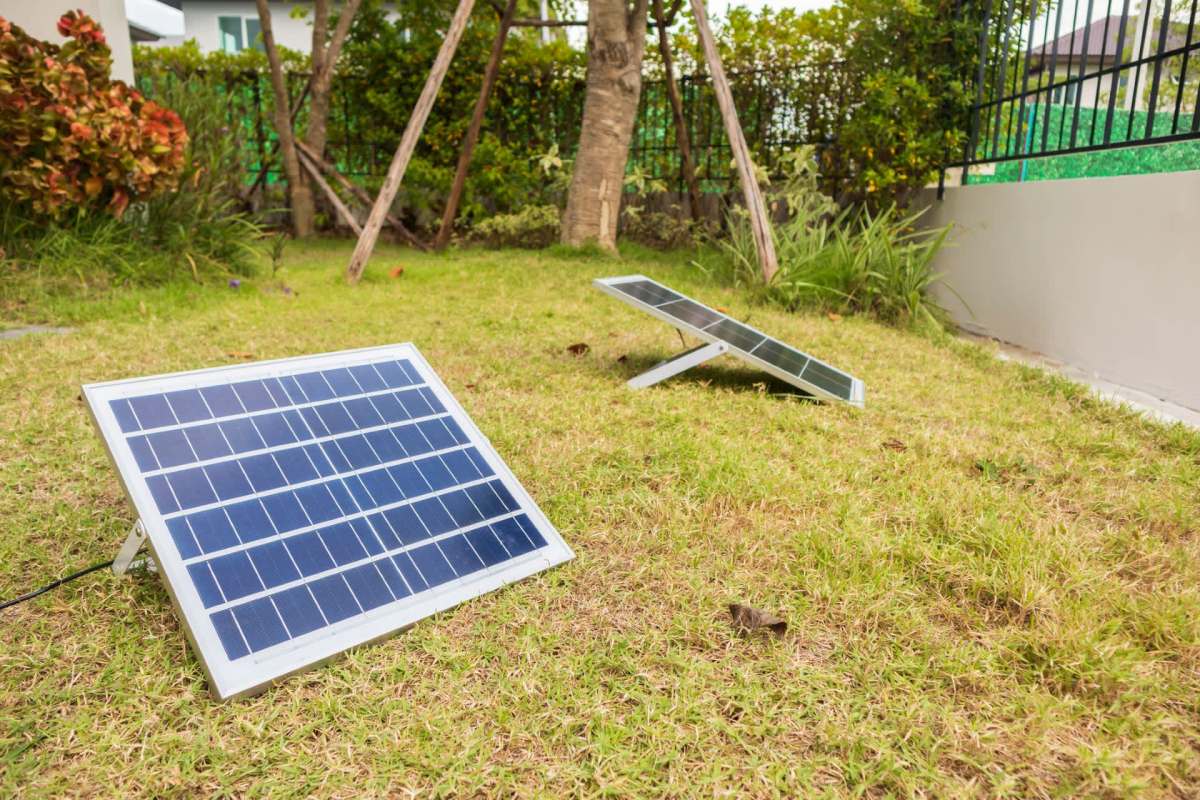
Starting on August 27, people across the U.K. will be able to buy and use plug-in solar panels at home, a policy change that could give households a cheaper way to produce some of their own electricity.
Compared with conventional rooftop setups, these panels can rest on or in balconies, decks, gardens, and other outdoor areas, without the significant upfront expenses or complexity of full solar installations.
Here's what to know
As T3 reported, the new U.K. standard will permit household plug-in systems up to 800 watts, which generally means two 400-watt panels. The goal is not for these panels to run an entire house, but to shave down some of the electricity costs that are always there in the background.
Instead of replacing a full solar array, they can help supply power to devices that stay on routinely, including refrigerators, Wi-Fi routers, TVs, and similar electronics. These balcony solar, or plug-in solar, arrays are far less expensive, making the technology significantly more accessible to most residents.
Savings will of course vary based on several factors, including sunlight and how much of the power is generated. Even so, T3 estimated that an 800-watt system that would probably cost between $400 to $820 could save roughly $95 to $150 per year, meaning they would pay for themselves over the course of four to eight years.
Across the pond, going solar is still one of the best ways for Americans to save money on home energy, especially for households that can install a larger system. If you're weighing a full installation, you can use EnergySage and its free tools to get quick solar installation estimates and compare quotes from vetted installers.
More background
Plug-in solar could make a difference for people who have been priced out of standard solar or who do not have a roof that works for a full installation, specifically renters. For households with steady daytime electricity use, even modest annual savings can add up over time.
Plus, any electricity produced from sunlight can reduce dependence on grid power generated from dirtier energy sources, helping cut heat-trapping pollution while giving households more control over their energy costs.
Save $10,000 on solar panels without even sharing your phone number Want to go solar but not sure who to trust? EnergySage has your back with free and transparent quotes from fully vetted providers that can help you save as much as $10k on installation. To get started, just answer a few questions about your home — no phone number required. Within a day or two, EnergySage will email you the best local options for your needs, and their expert advisers can help you compare quotes and pick a winner. |

And while plug-in panels are not a complete answer to rising energy bills, they could still be a practical starting point for households looking for a lower-cost way to generate some of their own power.
For readers comparing that option with a bigger rooftop system, EnergySage's free services can be especially helpful. With EnergySage's help, the average person can save up to $10,000 on solar purchases and installations.
Tools such as EnergySage's solar map show the average cost of a home solar panel system on a state-by-state level, along with incentives available in each state. Together, these resources can help readers get the best price for rooftop solar panels and access available incentives.
Adding battery storage to a solar setup is also one of the best ways to protect your home during outages, save money on energy, and go off grid. It can make solar power more useful by storing electricity for later instead of relying only on real-time sunshine. You can explore EnergySage for free information about home battery storage options, including competitive installation estimates.
More From EnergySage
💡Go deep on the latest news and trends shaping the residential solar landscape



Get TCD's free newsletters for easy tips, smart advice, and a chance to earn $5,000 toward home upgrades. To see more stories like this one, change your Google preferences here.






