


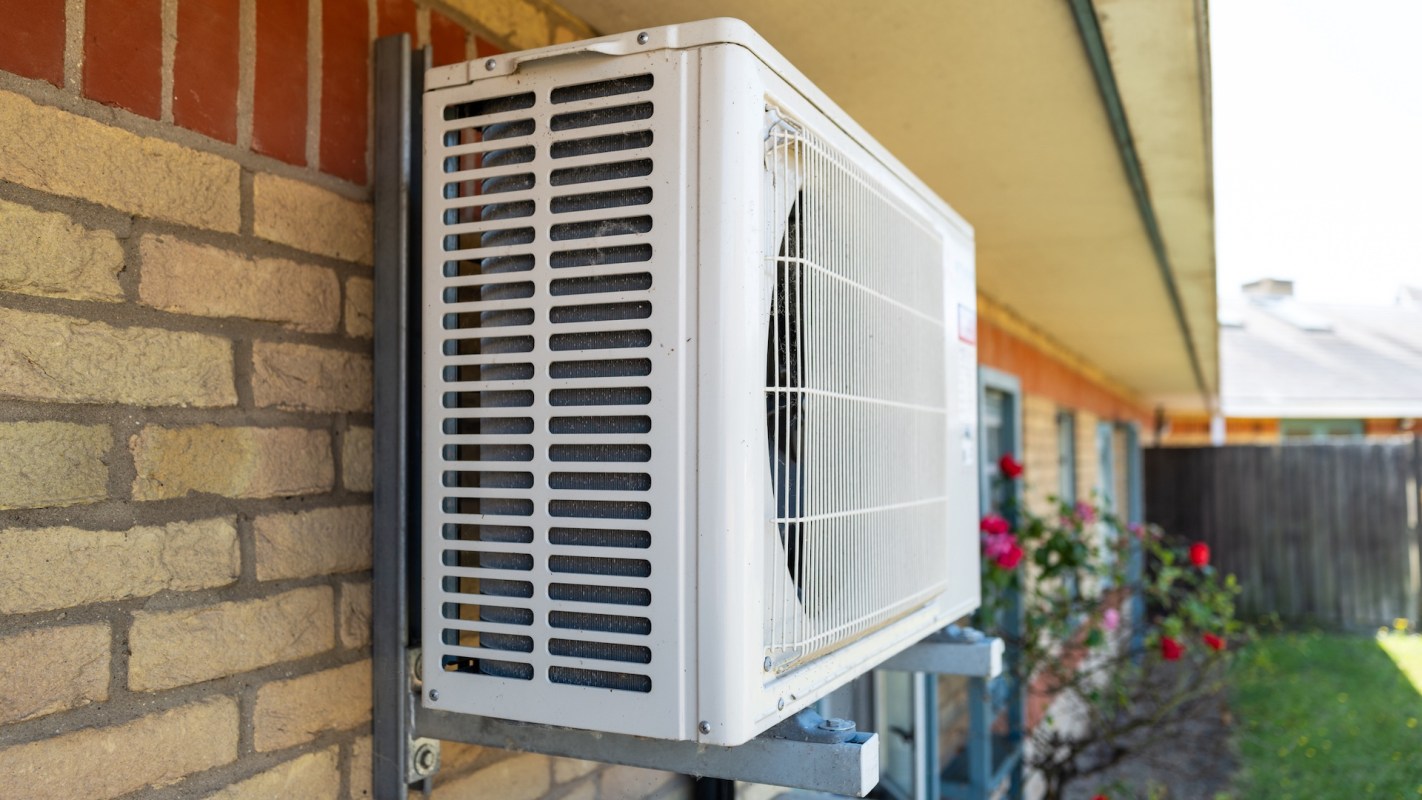
For U.K. households weighing whether to stick with gas or switch to electric heating, the economics may be shifting quickly.
Here's what to know
A Reddit discussion highlighted EDF's average rate forecast for January 2027: electricity at 32.61 pence (43 cents) per kilowatt-hour and gas at 10.97 pence (13 cents) per kilowatt-hour.
Measured against Ofgem's January 2026 price cap, gas shows the sharper jump, rising from 5.93 pence per kilowatt-hour, marking an 85% increase. Electricity would also be higher, moving from 27.69 pence per kilowatt-hour, or a 17.8% jump.
Because heat pumps can produce more heat from each unit of energy than gas boilers, fuel-price shifts do not affect the two systems equally.
"If you were paying less running a heat-pump last winter than a gas boiler then the gap will be substantial this winter," the original poster wrote.
Upgrading your heating and cooling system is one of the best ways to save money on utility bills and protect yourself against rising energy prices. For homeowners exploring their options, Palmetto can help people understand efficient HVACs and heat pumps and slash their energy bills. Its Comfort Plan network can connect you with vetted installers to find heating and cooling solutions for your home.
More background
The original poster argued that the U.K. is especially exposed to the volatile gas market, saying the country has "the highest penetration of gas boilers in Europe" and that the total number of gas boilers has grown. That level of dependence can leave households vulnerable.
"I started work in energy 20yrs ago, and it dawned on me like a slow motion horror show how dependent we are on natural gas," one commenter wrote.
Save $10,000 on solar panels without even sharing your phone number Want to go solar but not sure who to trust? EnergySage has your back with free and transparent quotes from fully vetted providers in your area. To get started, just answer a few questions about your home — no phone number required. Within a day or two, EnergySage will email you the best options for your needs, and their expert advisers can help you compare quotes and pick a winner. Solar panels can save you more than $50k over their 25-year lifespan, and EnergySage can help you save as much as $10k on installation. Which begs the question — isn't that worth an email or two? |

For some households, the numbers already favor switching, especially when government subsidies are involved. One commenter preparing to replace an 18-year-old LPG boiler said a heat pump was "a no brainer," adding, "With the grant we're basically paying the same price as a new boiler would cost us."
Participants also pointed to several obstacles, including installer pricing and the complexity of retrofits. They noted, too, that replacing a dead boiler is a very different financial choice from removing a working gas system before the end of its life.
What can be done?
If gas prices continue rising faster than electricity, efficient electric heating could offer greater protection against future price shocks, especially when paired with insulation, smart tariffs, or other home energy upgrades.
In the United States, Palmetto offers another pathway for households that are interested but worried about the upfront cost. Palmetto Comfort Plans include $0-down options that can lower your heating and cooling costs by up to 50%. They also include 12 years of free maintenance.
Homeowners can also pair solar panels with electric appliances, like efficient HVACs, to drive their utility costs even lower. EnergySage makes it easy to find the best solar panel system and installer for your home and budget, saving you up to $10,000.
Where can I learn more?
Heat pumps are emerging as a way to save money on energy costs in the long term, and they can also reduce reliance on polluting fuel sources.
• Across most EU countries, the IEA says heat pumps are cheaper than gas boilers.
• In the United Kingdom, heat pump sales hit a record high in 2025.
• Across Europe, heat pumps can cool homes too as heat waves strain grids.
• In the U.K., air conditioning doubles as some loft rooms approach 50C.

Get TCD's free newsletters for easy tips, smart advice, and a chance to earn $5,000 toward home upgrades. To see more stories like this one, change your Google preferences here.






