


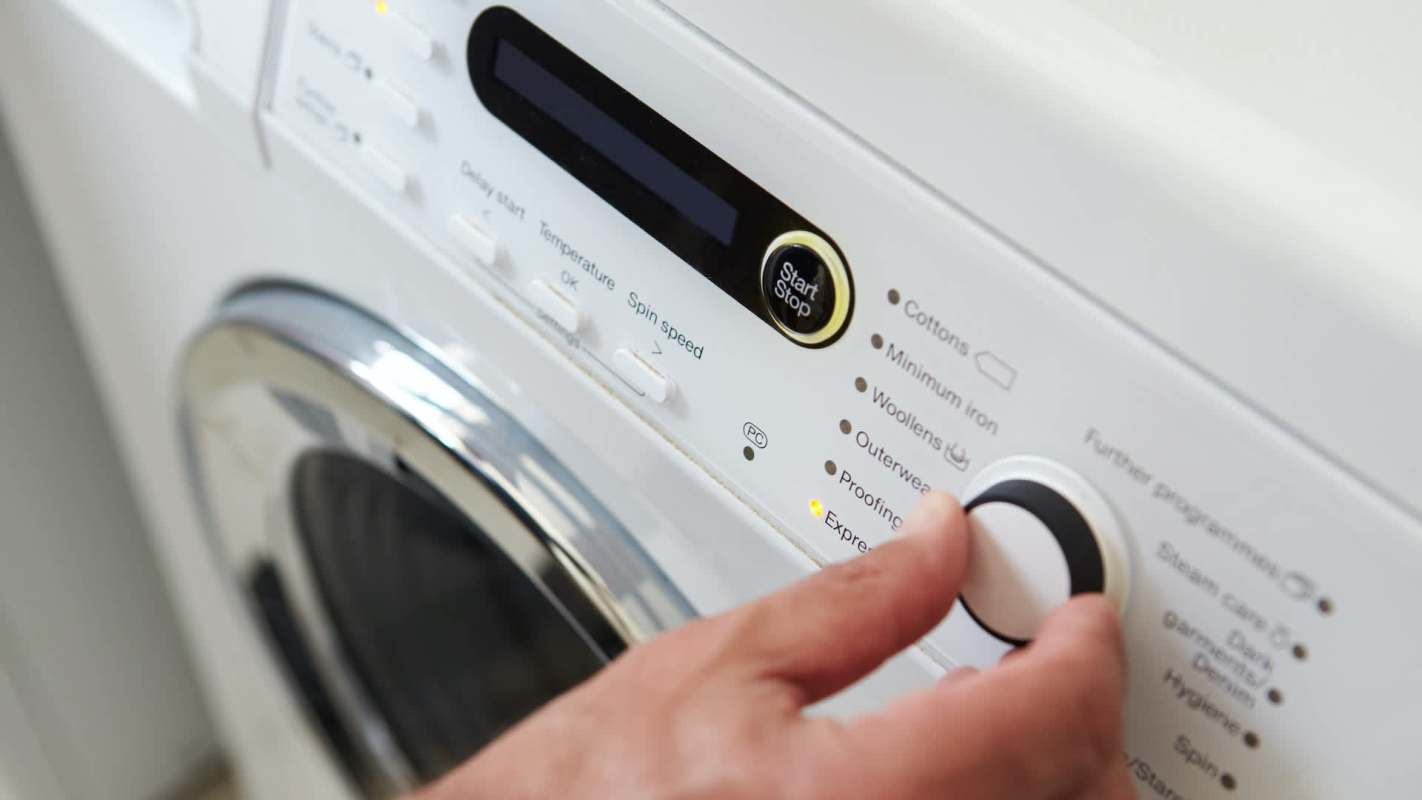
Americans may soon see weaker appliance rules, including standards that have quietly helped keep electric and gas costs down.
What's happening?
According to The Washington Post, the Energy Department is seeking to dismantle long-standing efficiency requirements, labeling them a "scam."
Those rules have influenced a wide range of everyday home products. Refrigerators, dishwashers, water heaters, air conditioners, and other appliances have been covered by standards designed to enable newer models to use less energy without changing their functions.
People backing the rollback say the requirements can push up purchase prices or shrink the range of products for sale. But the cost issue is short-sighted, as opponents say rolling back the standards would increase household energy bills.
The existing rules effectively help to make sure appliances don't use more energy than they need to, which increases American energy independence and lowers average household bills while asking nothing new of consumers in their daily lives.
The only advantage, then, is for manufacturers to have fewer restrictions to worry about and thus, in some cases, reduce upfront costs, despite the item costing more to use in the long run. For example, refrigerators today use about $80 to $120 of electricity per year, when those from the 1980s required about $200 to $300 of electricity use per year.
TCD Picks » Quince Spotlight
💡These best-sellers from Quince deliver affordable, sustainable luxury for all




Over 10 years, that difference can easily reach $2,000. Not all products will have as stark an effect, but it's an example that shows how standards like this help to push companies to become more consumer-friendly over the long haul rather than merely producing a product that works with little regard for energy use.
Why does it matter?
The change could show up in monthly utility bills.
Appliances that need less electricity or gas usually cost less to own over time. That matters even more for renters, low-income households, and seniors on fixed incomes, who are often hit hard by rising energy costs and have limited control over the equipment in their homes.
During extreme heat or cold, higher-efficiency appliances can also ease pressure on the power grid and help utilities keep up with demand.
They also reduce the planet-warming pollution tied to home energy use.
If those benefits are reduced, progress toward homes that are less wasteful, more comfortable, and cheaper to run could slow. Reacting to the news on Reddit, most commenters found little benefit for consumers to the change in rules.
"It makes perfect sense if you're trying to increase fossil fuel use," one user commented on the Reddit post.
"No point in reliability if you're having rolling blackouts. Hope this helps," another added.
What's being done?
Consumers still have some ways to respond, even if federal standards are scaled back.
When shopping for a replacement, it can help to look beyond the sticker price and consider total operating costs over the life of the appliance. EnergyGuide labels are still among the easiest tools for identifying models that may be cheaper to run.
State and utility programs in many places still offer rebates for efficient upgrades, including kitchen appliances, water heaters, and HVAC equipment. For anyone preparing for a major replacement, reviewing local incentives may lower the upfront price and help avoid bigger energy costs later.
Smaller steps can reduce wasted energy too, including sealing drafts, installing smart thermostats, and replacing older appliances before an emergency forces a quick purchase. Those measures do not replace federal standards, but they can still help households hold on to some savings.
There is also still room for states, cities, utilities, and manufacturers to continue advancing appliances that deliver strong performance while using less energy. Improving efficiency remains one of the quickest ways to cut bills without giving up comfort.

Get TCD's free newsletters for easy tips, smart advice, and a chance to earn $5,000 toward home upgrades. To see more stories like this one, change your Google preferences here.







