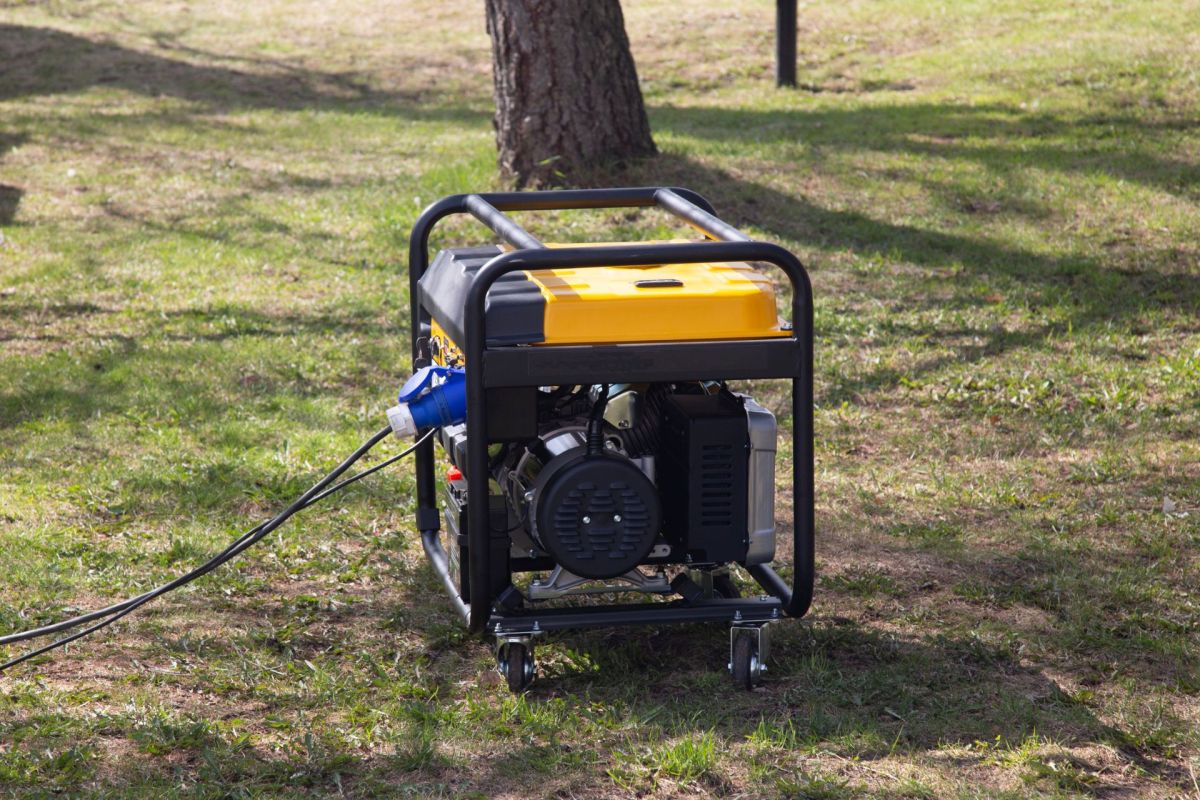
Power outage planning can get complicated quickly when a home has two panels, dual 50-amp interlocks, and an owner who wants backup power to feel as seamless as possible.
Going solar is one of the best ways to save money on home energy over time. Homeowners can use EnergySage to get quick solar installation estimates, and EnergySage also makes it easy to compare quotes before committing to a major backup power purchase.
What's happening?
In a post on Reddit, a homeowner said they were looking for "a portable generator to use as a whole house backup" for a property with "two 50A interlocks (one for each panel; two-panel, 300-amp service)."
Fuel flexibility was one of the homeowner's priorities. They said they wanted a tri-fuel generator so the system could run on gasoline, natural gas, or propane during an emergency.
They also estimated that each 50-amp interlock could support roughly 12,500 watts, so they were looking for natural-gas output at or above that mark.
"Generator, preferably tri-fuel, as if they shut off utilities I have plenty of propane canisters," they wrote.
They were trying to determine whether a single generator or several units would provide the best value while still keeping the home "as normal as possible in case of outage."
Why does it matter?
Questions such as this are increasingly common as homeowners try to balance comfort, safety, and equipment costs.
Save $10,000 on solar panels without even sharing your phone number Want to go solar but not sure who to trust? EnergySage has your back with free and transparent quotes from fully vetted providers that can help you save as much as $10k on installation. To get started, just answer a few questions about your home — no phone number required. Within a day or two, EnergySage will email you the best local options for your needs, and their expert advisers can help you compare quotes and pick a winner. |

A large portable generator can keep critical systems operating during an outage, but sizing one for whole-home use can get expensive quickly, particularly when two panels are involved.
Tri-fuel models are especially appealing because they give households flexibility. Natural gas can be convenient during short outages if service remains available, while propane can serve as a practical backup if gas lines are disrupted or gasoline becomes difficult to access.
Still, generators are generally a resilience purchase rather than a bill-cutting one. While they can offer peace of mind, they also come with fuel costs, maintenance needs, noise, and pollution.
Comparing generator plans with solar and storage options can help households save money year-round while improving outage protection before they spend thousands of dollars upfront.
More From EnergySage
💡Go deep on the latest news and trends shaping the residential solar landscape


What can I do?
The first step is to get a load calculation and confirm with a licensed electrician what each panel and interlock can safely support.
Even in a large home, prioritizing essential circuits — such as those for a refrigerator, internet, cooling and heating equipment, lights, and medical devices — can reduce the size and cost of the backup system needed.
EnergySage's free services can help homeowners compare alternatives to a generator-only setup. That could make a major difference for anyone deciding between a fuel-based backup system and an investment that lowers monthly utility bills.
Homeowners can also check EnergySage's mapping tool, which shows the average cost of a home solar panel system by state as well as details on solar panel incentives in each state. Together, these resources can help readers get the best price for rooftop solar panels and access available incentives.
Adding battery storage to a solar setup is one of the best ways to protect your home during outages, save money on energy, and go off-grid. It can also reduce reliance on fuel deliveries and noisy equipment when the grid goes down. Homeowners can explore EnergySage's free tools for information about home battery storage options, including competitive installation estimates.
The homeowner framed the decision in practical terms, saying, "I'm a buy once, cry once kind of guy looking to spend my money wisely."

Get TCD's free newsletters for easy tips, smart advice, and a chance to earn $5,000 toward home upgrades. To see more stories like this one, change your Google preferences here.