


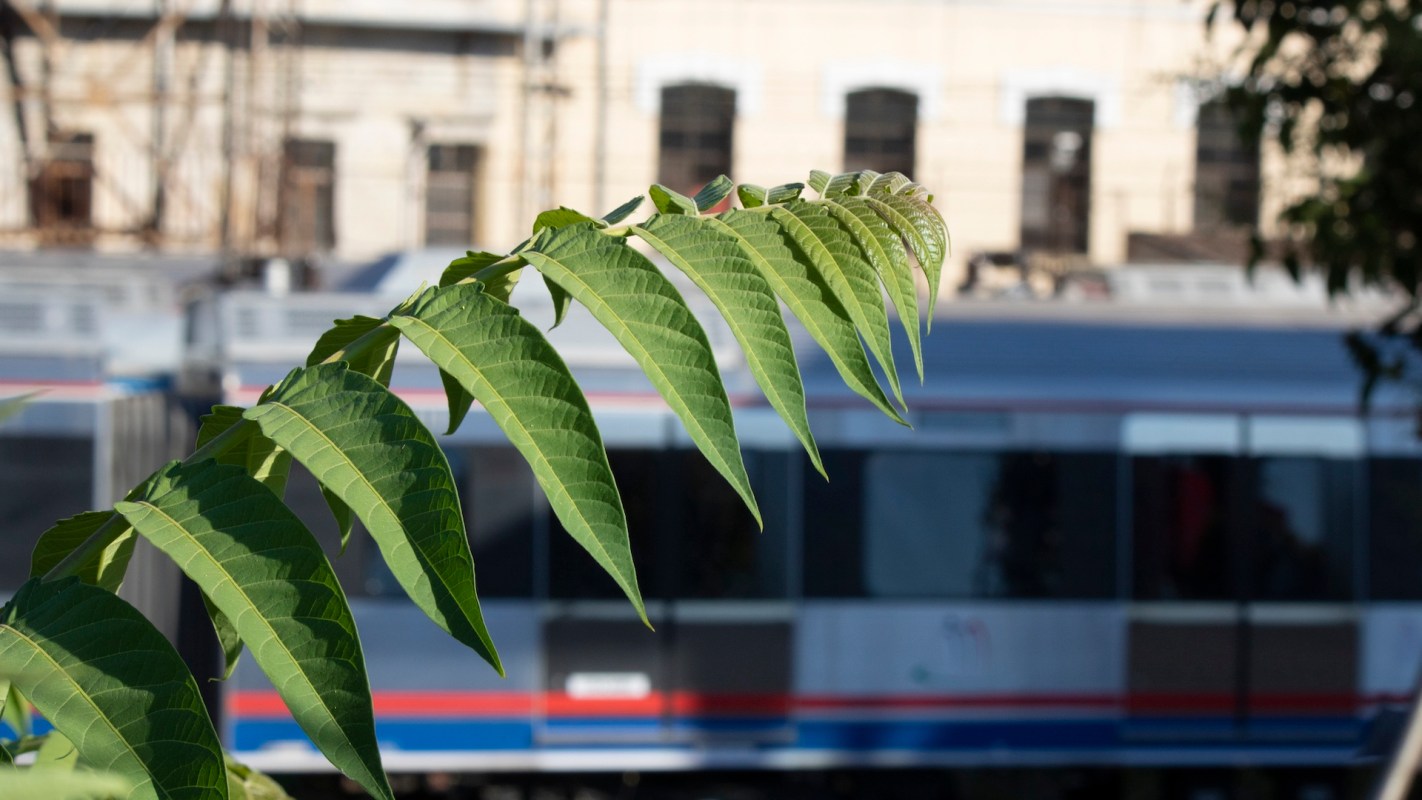
A Redditor was surprised to see trees of heaven sprouting from old buildings in downtown Toronto.
The invasive species can increase repair costs, raise safety concerns, and complicate policy decisions for entire neighborhoods.
What happened?
The Redditor said that trees of heaven were "growing out the edges of old buildings, just about everywhere."
They wondered "what or if anything was being done to stop the very inevitable damage these trees are going to cause to buildings and infrastructure."
After doing some research, they found the Ontario Ministry of Natural Resources and Forestry has listed the species as "restricted," and despite its invasive reputation, it is protected under tree bylaws. They posted a screenshot of official information.
"I had to laugh at the pure concentrated stupidity, though I feel bad for the people this is going to affect," the Redditor said. "Knotweed is also a big problem there too."
TCD Picks » Quince Spotlight
💡These best-sellers from Quince deliver affordable, sustainable luxury for all




The tree of heaven is an aggressive plant species known for establishing itself in vacant lots and neglected urban spaces.
The post also referenced Japanese knotweed. Both species spread rapidly, can resist removal, and become especially hard to eliminate once established.
Why does it matter?
Tree of heaven and Japanese knotweed do more than push out native plants and make habitat restoration harder. They can also exploit weak spots in built environments, leaving communities with higher maintenance costs and more difficult infrastructure repairs when they spread near homes, sidewalks, and aging brickwork.
Getting rid of them is not always as simple as removing a young invasive tree. Cutting or pulling these plants can sometimes trigger more shoots, and mistakes in identification can cause people to remove the wrong trees.
That creates a policy challenge as well. Rules designed to protect urban tree canopy may preserve valuable trees, but they can also make it tougher to deal with invasive species that do not behave like typical city trees.
What are people saying?
One commenter, who said they work for a nearby conservation authority, wrote that the "'protected by the City's tree bylaws' bit is likely to stop people removing it willy-nilly in ways that spread sprouts, or removing look-alikes by mistake."
That same commenter added, "It's a hard problem. We want to get rid of it all but well meaning people trying to pull it out just makes it worse."

Get TCD's free newsletters for easy tips, smart advice, and a chance to earn $5,000 toward home upgrades. To see more stories like this one, change your Google preferences here.






