


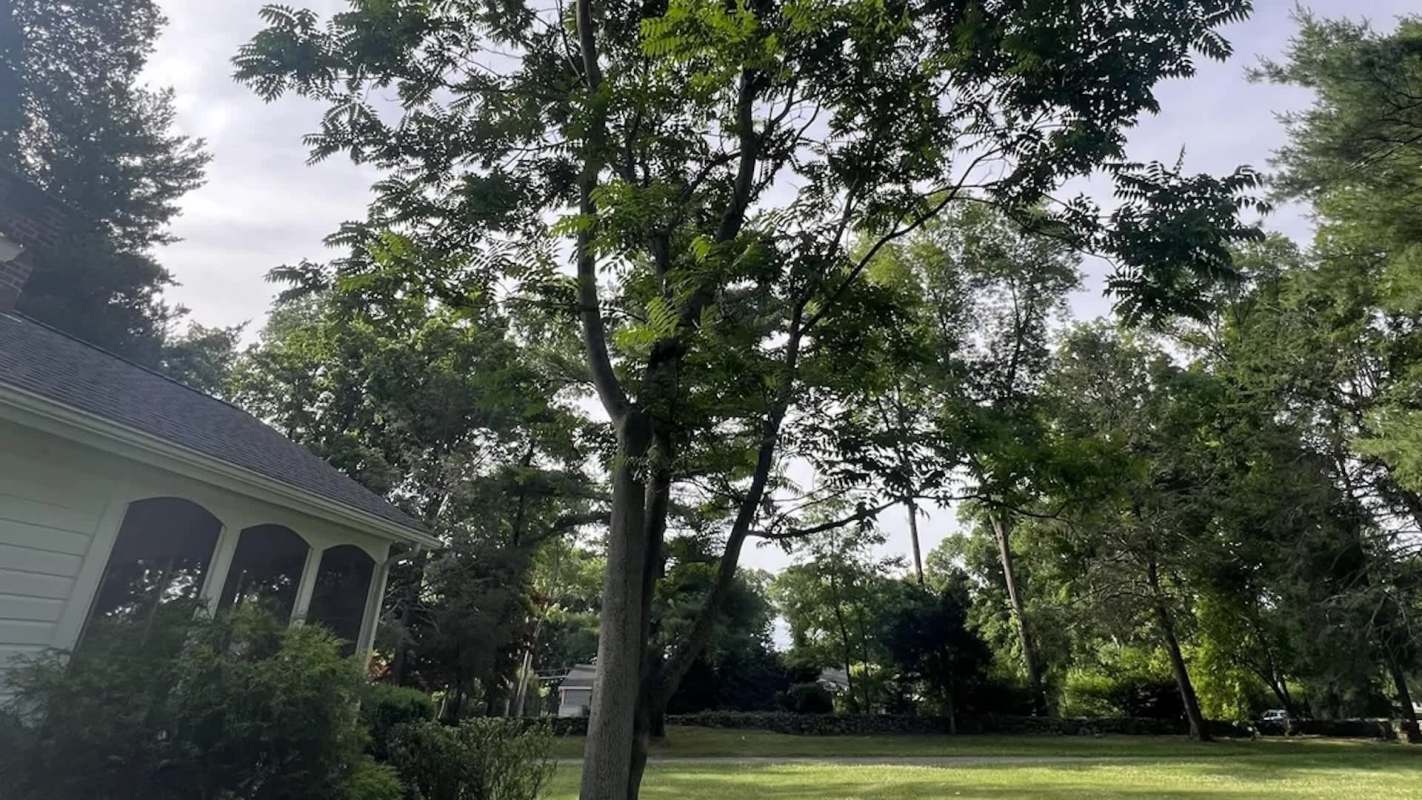
A homeowner new to their property brought a yard concern to Reddit after finding a large Tree of Heaven near the house and seeing spotted lanternflies gathered around it.
What happened?
The conversation began in a Reddit thread where a user asked about a mature Tree of Heaven growing close to their home. According to the post, the tree was large and was already serving as a host for spotted lanternflies.
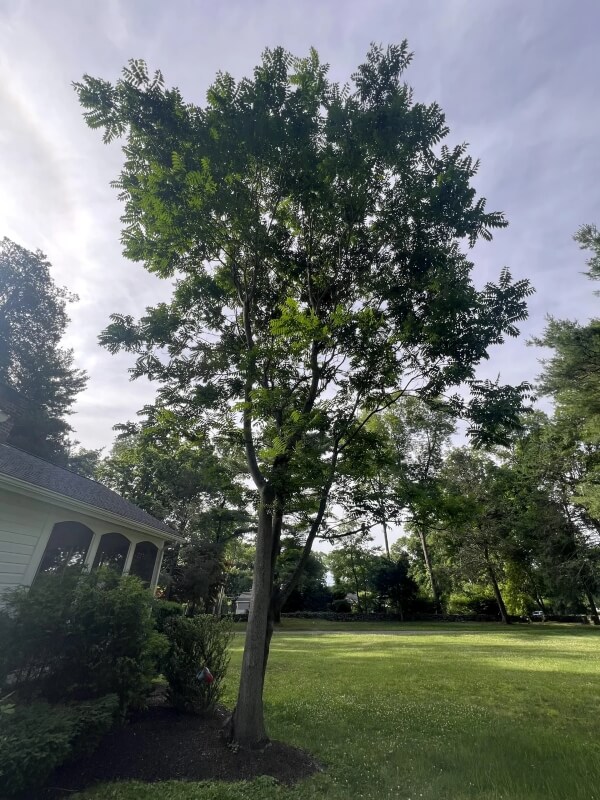
Most replies reached the same conclusion: treat the tree before taking it down. Users cautioned that simply cutting Tree of Heaven can trigger new shoots to emerge from the root system.
Several commenters pointed to a fall treatment known as "hack and squirt," a common herbicide-based approach intended to kill Tree of Heaven more completely before removal.
As other commenters warned about the tree's aggressive nature, one person wrote, "I should go take a picture of my daughter's house. It's got one growing right next to it that has broken the foundation in half."
Why does it matter?
Tree of Heaven can quickly become a bigger yard problem. The invasive species spreads easily, competes with native plants, and is especially troublesome in areas where homeowners are already dealing with spotted lanternflies.
TCD Picks » Quince Spotlight
💡These best-sellers from Quince deliver affordable, sustainable luxury for all




That pest has become a major frustration in parts of the United States because it feeds on a wide range of plants and trees, and Tree of Heaven is often described as a favorite host. More of these trees can mean more insects, more sticky residue, and more strain on nearby landscapes.
Large invasive trees growing too close to structures can create costly problems over time, especially if roots or repeated suckering begin affecting foundations, walkways, or garden beds.
DIY removal is not always the cheapest or easiest option if it is done in the wrong order. A rushed cut can leave behind a longer, more expensive cleanup project than the one you started with.
What can I do?
If you think you have a Tree of Heaven on your property, the first step is to confirm its identification. Because large trees near homes can pose safety risks, a local extension office, invasive-species resource, or licensed arborist may be the best place to start.
For a species that readily resprouts, timing can matter as much as the removal itself. Treatment before cutting is often an important step, and homeowners should continue checking for seedlings and any remaining lanternfly activity after the main tree is gone.
Once the invasive tree is gone, replacing the space with better landscaping can pay off in several ways. A native-plant lawn or even a partial lawn replacement can save money and time on maintenance while lowering water bills. Low-maintenance options include native plants, clover, buffalo grass, and xeriscaping, all of which can reduce mowing, watering, and chemical use.
If you are rethinking your yard after removing invasive species, look into rewilding your yard and switching to a natural lawn. Even replacing part of a conventional lawn can make a noticeable difference for pollinators, upkeep, and household costs.

Get TCD's free newsletters for easy tips, smart advice, and a chance to earn $5,000 toward home upgrades. To see more stories like this one, change your Google preferences here.







