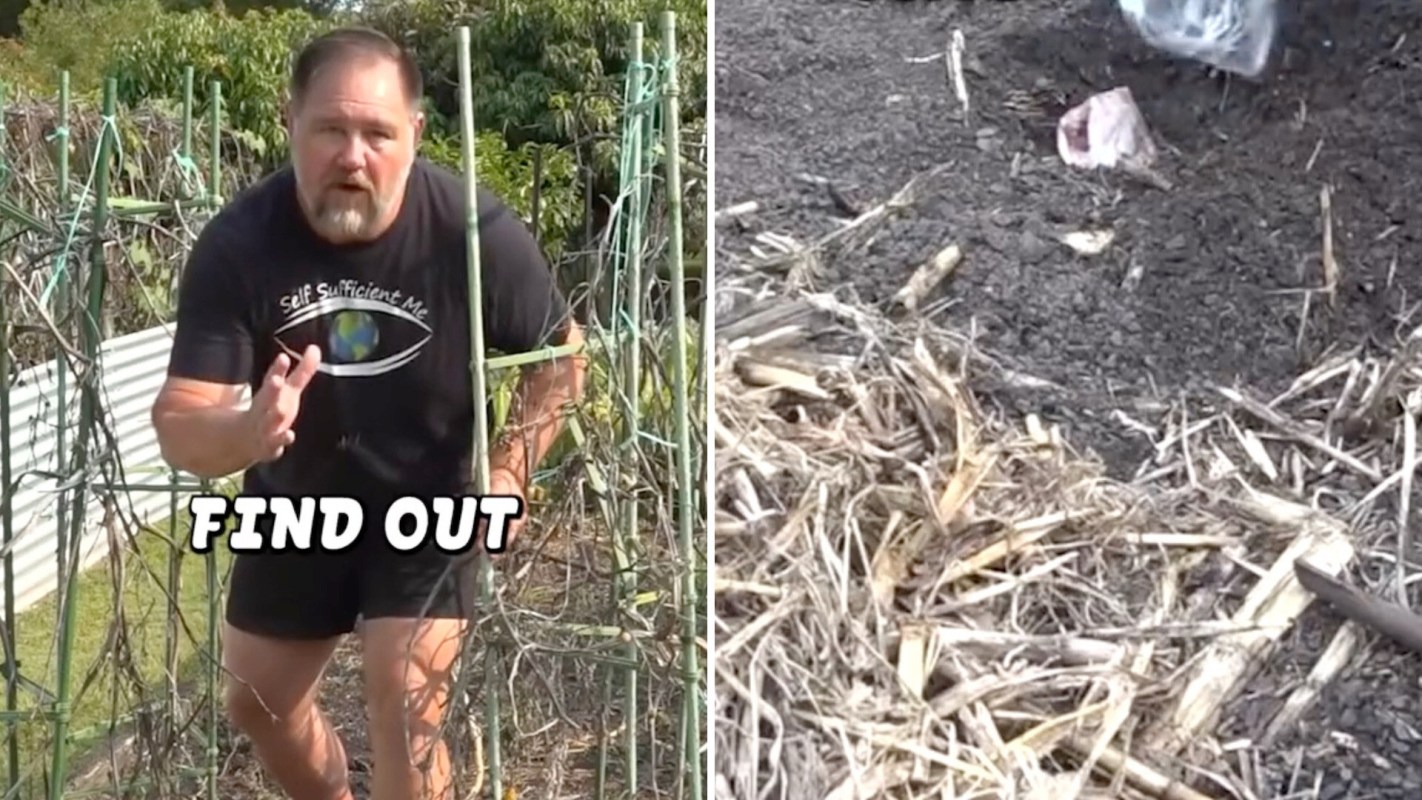
For gardeners whose tomato plants refuse to cooperate despite careful pruning and regular watering, an unusual soil addition is getting attention: leftover fish scraps buried near the roots. The low-cost idea turns a common kitchen discard into something that may help tomatoes grow better.
One recent firsthand test suggested the approach could help weaker plants become more productive while giving home gardeners a way to use more of what they buy and potentially spend less on their gardens.
What happened?
In a report from Tom's Guide, a gardener tested a method popularized by content creator Mark Valencia of Self Sufficient Me, who shares gardening advice with more than 230,000 followers.
To evaluate the idea, Valencia ran a side-by-side comparison. He buried fish scraps beside one tomato plant, gave a second plant no fish scraps or other fertilizer, and kept watering and pruning the same for both.
@selfsufficientme what strange things have you put in your garden?
♬ original sound - Self Sufficient Me
The early results did not favor the fish treatment. At first, the plant without the scraps looked stronger and ripened fruit sooner, but Valencia said that changed later in the season.
"It was noticeable that the fish head tomatoes were also producing more fruit. After the five to six month mark in October, there was a considerable difference beginning to show between the two plants," he said.
TCD Picks » Quince Spotlight
💡These best-sellers from Quince deliver affordable, sustainable luxury for all




He added, "The ones with the fish head were still growing strong with much better fruit and foliage growth than the ones without the fish head which were pale, dying back and had practically stopped producing new tomatoes."
Why does it matter?
The approach could help gardeners reuse food scraps instead of discarding them, and it may also reduce the need to buy extra fertilizer. Tom's Guide reported that as buried fish breaks down in the soil, it can provide nutrients such as phosphorus and potassium that tomatoes need.
Many people are looking for simple ways to cut grocery costs. Growing produce at home can help save money, and many gardeners say homegrown fruits and vegetables also taste better than store-bought options.
Gardening can also support mental and physical health. It gets people outside, encourages movement, and provides a hands-on routine that many find calming and rewarding. Even a small tomato patch can offer exercise, stress relief, and the satisfaction of harvesting food grown at home.
It also helps people make better use of ingredients that might otherwise end up in the trash.
What can I do?
Starting small may be the best approach. Fish scraps should be buried deep enough near tomato roots to decompose in the soil rather than remain exposed on the surface. Doing so can help reduce odors and lower the chances of attracting unwanted animals.
There is no need to overhaul an entire garden to test the idea. Trying it on one or two tomato plants and comparing the results with plants grown under the same conditions without fish scraps can offer a clearer picture of whether it works. As in Valencia's experiment, keeping watering and pruning consistent makes the results easier to judge.
For those looking to make their gardens even more budget-friendly, combining soil-boosting tricks with natural maintenance methods can help. TCD also offers guides on controlling pests without chemicals and controlling weeds without chemicals.

Get TCD's free newsletters for easy tips, smart advice, and a chance to earn $5,000 toward home upgrades. To see more stories like this one, change your Google preferences here.