


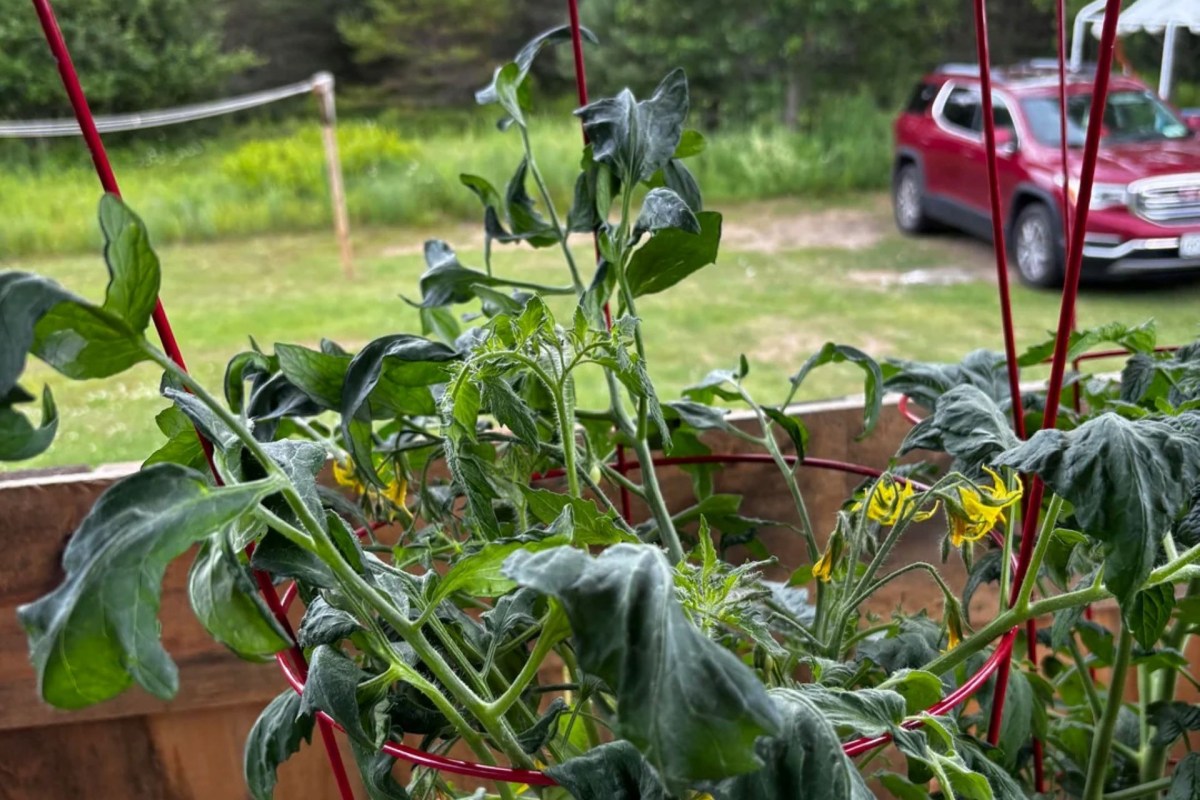
An anxious request for advice from a novice tomato gardener is resonating online as summer heat has sent countless plants into daily slumps, even after repeated waterings.
For anyone nervously watching their vegetable patches wilt, the explanation was more comforting than alarming: midday drooping does not always mean a tomato plant is in trouble.
What's happening?
On Reddit, a beginner gardener captured that uncertainty with the half-joking line: "More water? Less water? Do they want my kidney?"
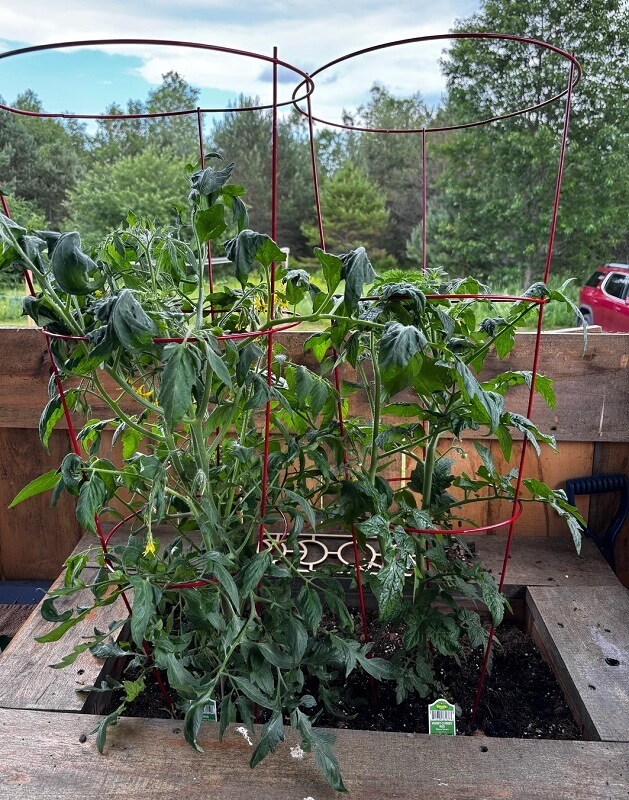
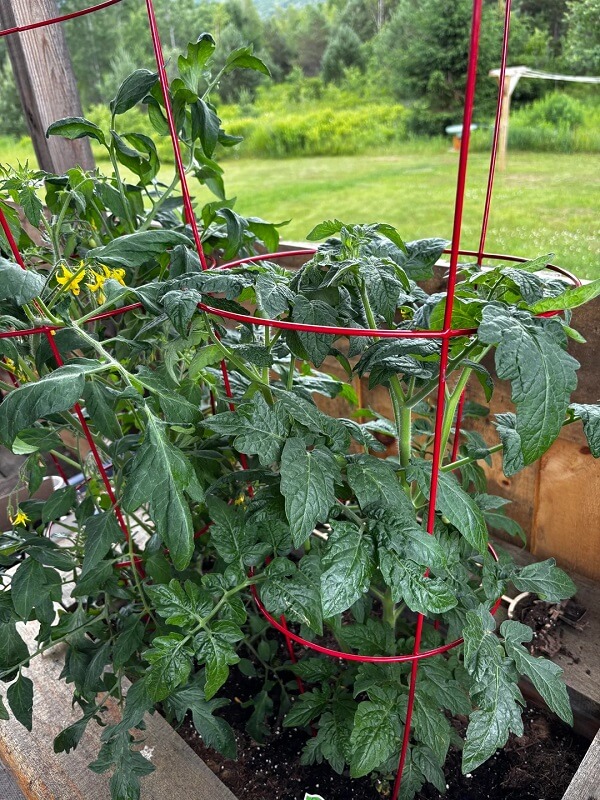
Since it was their first time growing tomatoes, the poster worried that the plants' repeated drooping during the heat wave meant something was seriously wrong, especially because watering them more did not stop it.
More seasoned gardeners jumped in to explain that the timing was the key detail. Tomatoes commonly wilt during the hottest part of the day, they explained, and may recover as temperatures ease.
One commenter succinctly explained that "summer heat is brutal on tomatoes."
TCD Picks » Quince Spotlight
💡These best-sellers from Quince deliver affordable, sustainable luxury for all




Rather than watering over and over, commenters suggested giving the plants a deep soaking that reaches the roots and then checking whether they bounce back later.
Why does it matter?
For beginner gardeners, this kind of reassurance can make the difference between sticking with a food garden and giving up altogether.
Heat waves can make even healthy plants look dramatic, which may lead new growers to overwater, waste time, and assume they have done something wrong.
Growing tomatoes and other produce at home can help reduce grocery costs, especially during expensive summer produce seasons. Homegrown food also often tastes better because it can be harvested at peak ripeness instead of being transported long distances.
What can I do?
If your tomatoes are wilting in hot weather, the first step is to check the soil before reaching for the hose again. If the soil is still moist a couple of inches down, the plant may simply be reacting to the afternoon heat rather than signaling that it needs more water.
A better approach is often deep watering in the early morning or evening, when more moisture can soak into the soil instead of evaporating quickly. Mulch can also help keep roots cooler and hold moisture longer. If you are growing in containers, keep in mind that pots dry out faster than in-ground beds, so they may require closer monitoring.

Get TCD's free newsletters for easy tips, smart advice, and a chance to earn $5,000 toward home upgrades. To see more stories like this one, change your Google preferences here.






