


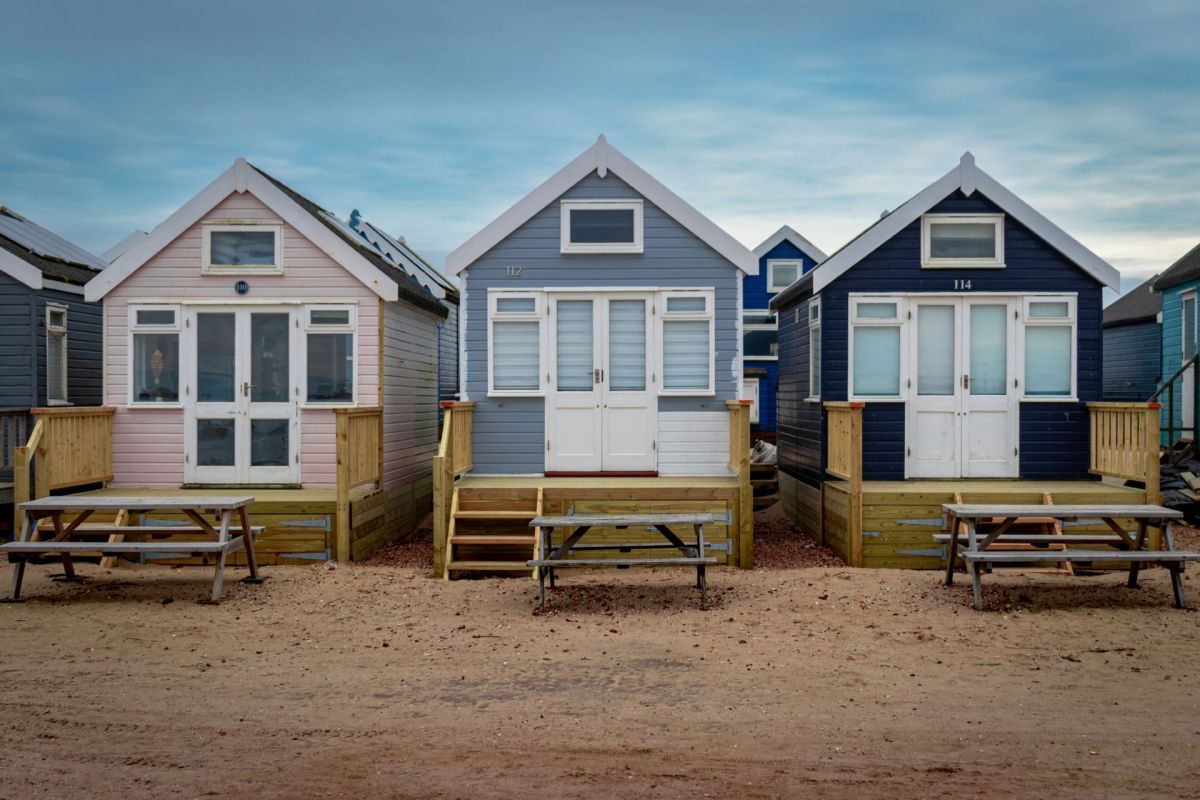
After fundraising hurdles and a fraught construction timeline, a volunteer-built tiny home community for veterans in Longmont, Colorado, is now fully occupied.
The development created 26 transitional homes for veterans experiencing homelessness or housing instability.
For the veterans living there, the benefit is straightforward: a private place to stay at no cost while they work toward securing permanent housing, according to BGL, via Yahoo News.
What's happening?
The Veterans Community Project of Longmont, a 501(c)(3) nonprofit, has finished a 26-unit tiny home village for unhoused veterans.
Major foundation gifts and local donations helped bring the project to completion, and the site is already full.
The project took shape more slowly than organizers expected.
TCD Picks » Quince Spotlight
💡These best-sellers from Quince deliver affordable, sustainable luxury for all




Jennifer Seybold, executive director of Veterans Community Project of Longmont, said the nonprofit broke ground in March 2020 but quickly ran into delays.
After six homes were finished, construction stopped for a period when funding fell short, and pandemic-era cost increases added more pressure.
A combination of large grants and local giving helped close the shortfall. The Morgridge Family Foundation gave $400,000, and the Knopf Family Foundation contributed another $200,000.
Community fundraising, including money from Next's Word of Thanks campaign, supplied the remaining support needed to complete the village.
The homes range from 240-square-foot individual units to 320-square-foot family units, according to BGL.
Veterans can stay for up to two years while receiving support intended to help them transition into stable, permanent housing.
Why does it matter?
Each unit is set up as a private living space, with dedicated areas for cooking, bathing, sleeping, and relaxing.
The homes are also pet-friendly, which can be especially important for people who might otherwise avoid shelter options that would separate them from their animals.
Veterans Community Project designed the homes with veterans' needs in mind, including decisions about bed placement, window layout, and wall colors.
The aim is to provide a calmer, more dignified place to land during a difficult period.
Projects like this can help people become stable more quickly by pairing housing with case management rather than relying on short-term shelter alone.
What's being done?
The Longmont village is part of a broader Veterans Community Project model already in use in other parts of the country.
Rather than stopping at housing, the nonprofit pairs each home with intensive case management and services designed to help residents prepare for life after the village.
The organization also runs a Veterans Outreach Center in Longmont that serves veterans beyond those living in the tiny homes. That includes support with food access, housing navigation, and other essential needs across northern Colorado.
Philanthropy and community partnerships were central to building the village.
In Longmont, foundation grants addressed major budget gaps, while smaller local donations helped provide the rest of the money needed to finish the project.
The Longmont village is now a resource for veterans in need of safety, privacy, and support.
With the site now full and the outreach center continuing its work, the effort is focused on more than temporary shelter — it is intended to help veterans move into permanent housing.

Get TCD's free newsletters for easy tips, smart advice, and a chance to earn $5,000 toward home upgrades. To see more stories like this one, change your Google preferences here.






