


When core city infrastructure fails, residents can end up paying the price when the failure causes destruction inside their own homes.
That is the situation at the center of a new lawsuit in Manitoba, where 13 Steinbach homeowners allege sewage backed up into their houses during major rainfall events in 2024 and 2025.
Here's what to know
According to SteinbachOnline, the homeowners' Statement of Claim in Manitoba's Court of King's Bench accuses the City of Steinbach of negligence and nuisance, tying those allegations to the city's alleged handling of its sanitary sewer system, including its design, maintenance, monitoring, and operation.
SteinbachOnline reported that the plaintiffs want compensation for alleged losses that include damage to their homes and belongings, reduced property values, and mental distress and anxiety, in addition to interest, legal costs, and other relief.
No court has accepted those allegations as fact, and no liability finding has been made against the city. SteinbachOnline said the version of the Statement of Claim it reviewed did not include a statement of defense from Steinbach.
In the plaintiffs' telling, the sanitary sewer network serving the affected areas was set up as a closed system, meaning it was not intended to receive stormwater or overland flooding. The Georgetown section reportedly dates to about 1988 and was intended to serve roughly 150 homes before more development was tied into it.
TCD Picks » Quince Spotlight
💡These best-sellers from Quince deliver affordable, sustainable luxury for all




Those added connections allegedly included Clearspring Greens, Granite Park, and the Steinbach Aquatic Centre. The lawsuit says that extra load put the system under greater strain, especially during heavy rainfall, SteinbachOnline reported.
More background
Another part of the claim centers on Steinbach's Sump Pit and Sump Pump By-law No. 1674, passed in 2003. As SteinbachOnline reported, it prohibits residents from directing rainwater and runoff into the sanitary sewer through sump pumps or similar methods, and the plaintiffs allege the city had known since at least September 2015 that some residents were doing so anyway.
The homeowners also contend that officials knew this additional water could overwhelm the system during major rain events but chose education and self-regulation over enforcement, according to SteinbachOnline.
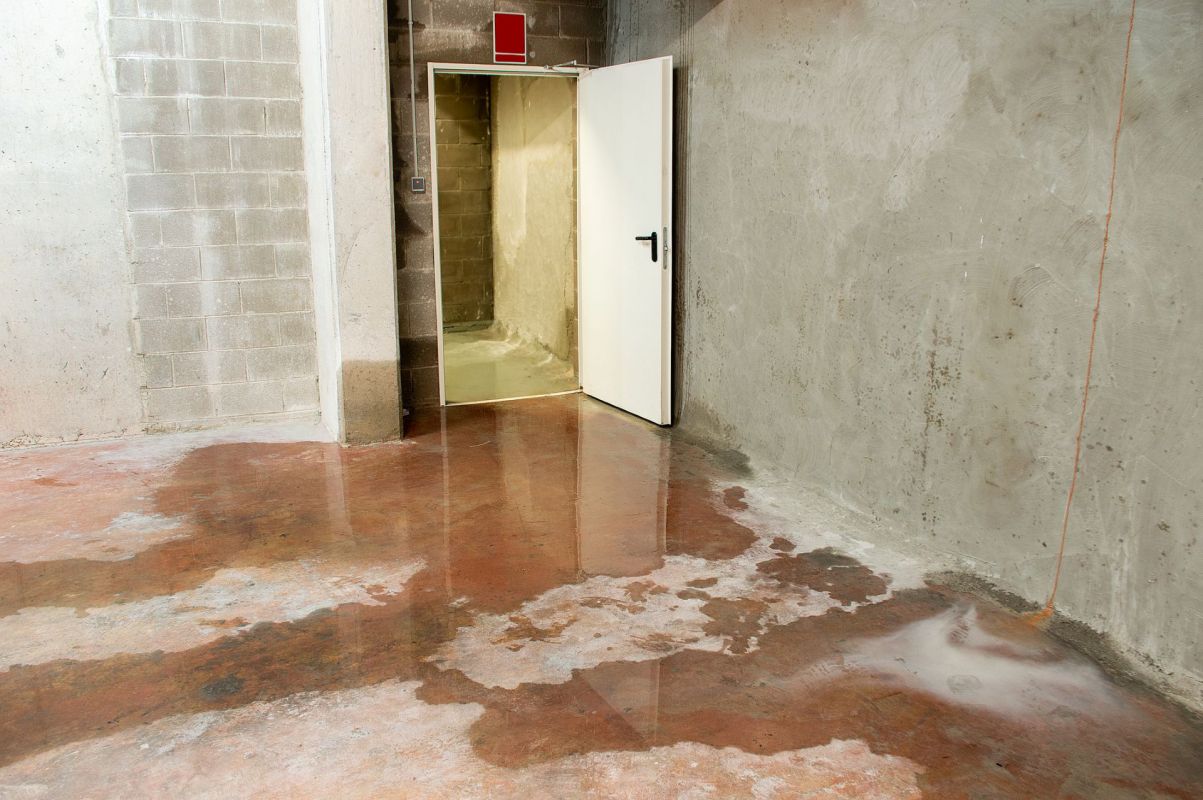
Sewage backups can damage walls, floors, and belongings, create contamination concerns, and leave families coping with stress long after the water is gone.
What's being done?
SteinbachOnline also reported that the lawsuit cites construction activity in the city during the summers and falls of 2024 and 2025 as a contributing factor.
The case points to the need for cities to keep sanitary sewer systems separate from stormwater flows, enforce drainage bylaws consistently, and plan new development around actual infrastructure capacity rather than ideal conditions.
The court process will determine what happened in Steinbach, but the allegations show how high the stakes can be when public infrastructure falls short.

Get TCD's free newsletters for easy tips, smart advice, and a chance to earn $5,000 toward home upgrades. To see more stories like this one, change your Google preferences here.






