


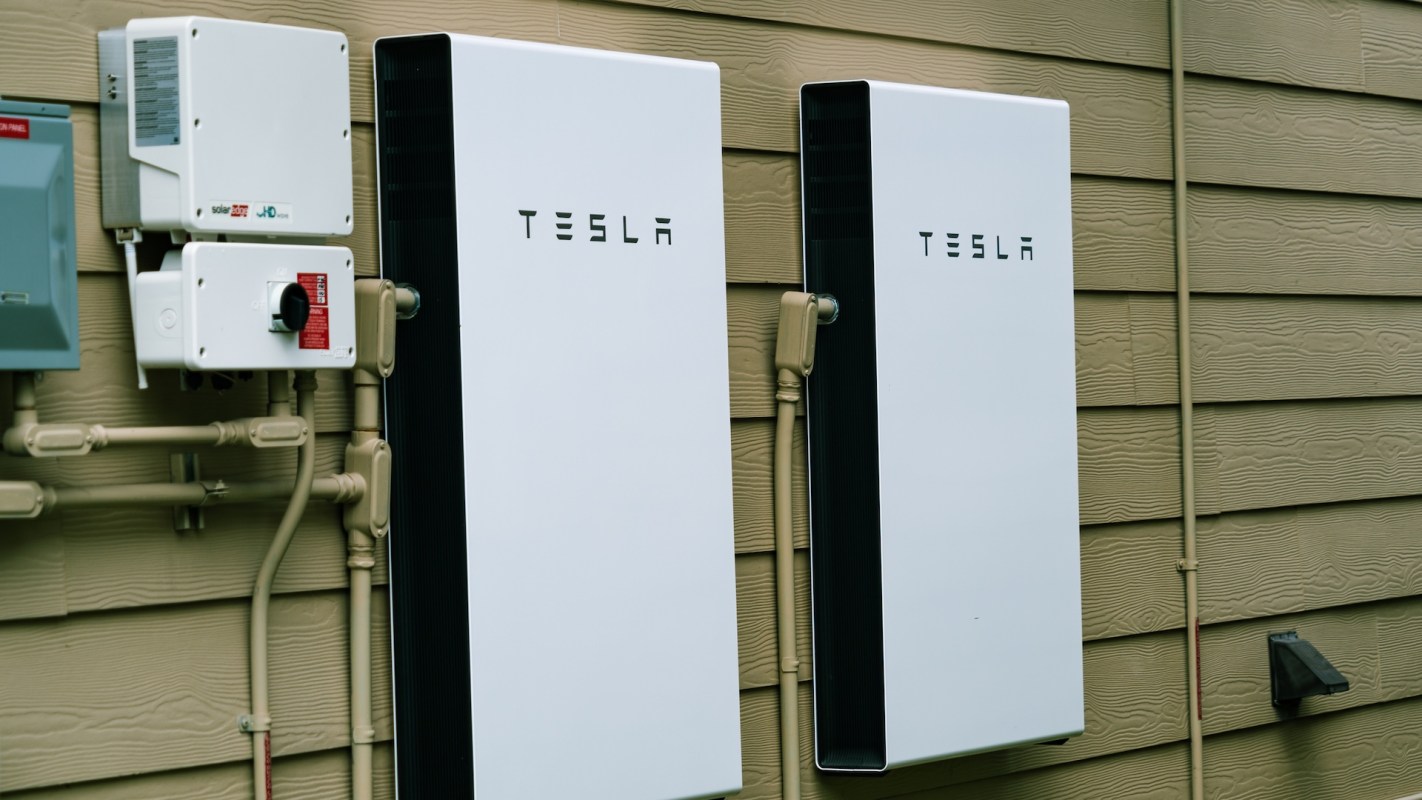
A U.K. homeowner said their Tesla Powerwall 3 unexpectedly entered its first calibration, forcing the battery to drain during expensive peak-rate hours.
For households that buy batteries to cut utility bills and ride through outages, that kind of surprise can undercut one of the technology's biggest selling points.
Here's what to know
Posting in Reddit's Powerwall forum, the homeowner said the system started calibrating on its own, catching them off guard. "It was a surprise to find my battery discharging during peak hours and nowhere productive for my excess solar to go," the user wrote, noting that they still could not export surplus electricity for payment.
They said the battery was being used mainly to lower power costs rather than held back for outages, and asked whether there was any way to make future calibrations happen less often. Responses from other Powerwall owners suggested the timing can be frustratingly inflexible, especially on time-of-use electricity plans.
If you're comparing your options, it may be worth exploring EnergySage for information about home battery storage systems and competitive installation estimates.
EnergySage has also teamed up with the electrification brand Qmerit to guarantee you get the best price on home battery storage solutions. Another option is Pila, which offers plug-and-play batteries priced at a fraction of what a whole-home backup system would cost.
More background
The thread centers on a practical issue that can affect homeowners after they have already invested thousands in backup power. Sometimes, software-controlled maintenance can determine when a battery is available and when it is not.
Several replies indicated that owners may have little control once the process starts. One commenter answered, "You can't," then said their own calibration emptied the battery at 8 a.m. and left it unavailable until late evening, effectively forcing them to pay peak rates instead of having the process happen outside those hours.
Save $10,000 on solar panels without even sharing your phone number Want to go solar but not sure who to trust? EnergySage has your back with free and transparent quotes from fully vetted providers in your area. To get started, just answer a few questions about your home — no phone number required. Within a day or two, EnergySage will email you the best options for your needs, and their expert advisers can help you compare quotes and pick a winner. Solar panels can save you more than $50k over their 25-year lifespan, and EnergySage can help you save as much as $10k on installation. Which begs the question — isn't that worth an email or two? |

One user said their system began calibrating in the middle of the day — "it would totally make sense to do this overnight" — and added that "it cost me £3 ($3.50) to fill the battery up when it had just filled up the night before."
That kind of disruption is especially notable because home batteries are often marketed around resilience and savings. They can keep essentials running during blackouts, reduce reliance on peaker plants that run on planet-warming fuels during periods of high demand, and help homeowners use more of their own solar power instead of drawing electricity from the grid.
What can be done?
Commenters suggested there may be some workarounds, but not a full fix. One Redditor said calibration can be delayed for up to 72 hours, while another said they try to steer it toward cheaper overnight electricity by controlling when the battery empties.
A user citing Tesla's support documentation said: "Delaying calibration requires Powerwall 3 with firmware version 26.2 or Powerwall 2 with firmware version 26.18.2 or later. Delaying calibration also requires Tesla app version 4.50 or later." The same commenter said Powerwall 2 units also received calibration behavior in firmware version 26.18.2.
The Reddit discussion also points to a broader opportunity for manufacturers to offer users more scheduling flexibility, or at least to align calibration with off-peak hours, weather forecasts, and household usage patterns.
What seemed to bother the original poster most was not that calibration exists, but that it arrived with so little warning and so little user control. As one commenter put it: "Tesla really should check the weather for the day, historical electricity usage for the previous 30 days, your electricity rates for different times of the day, and whether grid charging is allowed."

Get TCD's free newsletters for easy tips, smart advice, and a chance to earn $5,000 toward home upgrades. To see more stories like this one, change your Google preferences here.






