


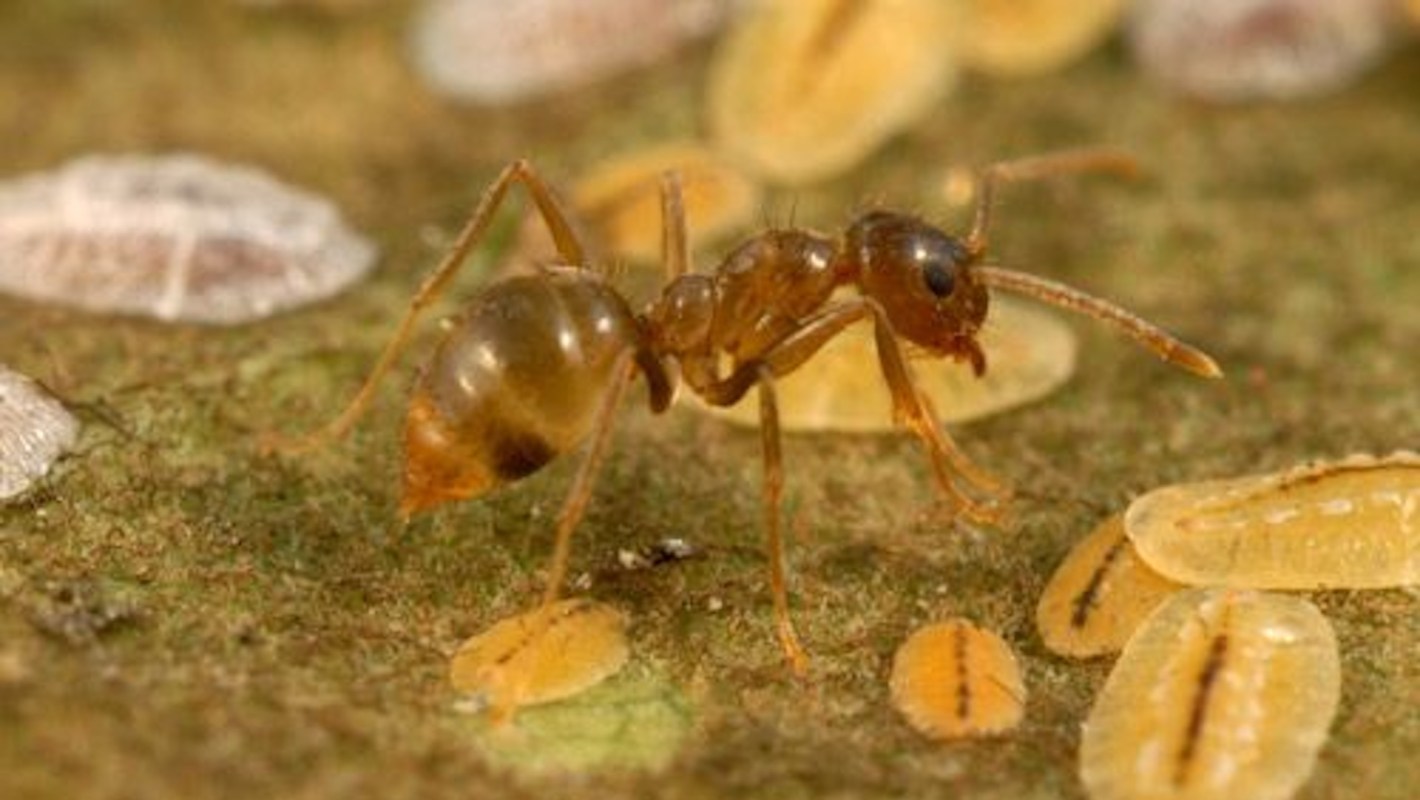
In March, pest control professionals told Houston homeowners to check electronics for insects known as "tawny crazy ants."
What's happening?
A press release published in Michigan NewsNetMedia detailed the situation. ABC Home & Commercial Services, a Houston-based pest control company, told residents the ants can slip into electronics unnoticed until something suddenly stops working.
The species, which is formally known as Nylanderia fulva, is difficult to control with basic spot treatments. It can form dense supercolonies with multiple queens.
A Texas A&M AgriLife Extension study said tawny crazy ants were first documented in Harris County in 2002. They now live in more than 40 Texas counties.
University of Florida IFAS researchers said electricity can make the problem worse. If an ant contacts an energized point and is electrocuted, it may release alarm pheromones that attract more ants into the area. That can increase the chances of an electrical failure.
Why does it matter?
When ants are hidden inside electronics, the issue may appear to be a difficult electrical glitch instead of a pest infestation. And expenses can add up quickly.
TCD Picks » Quince Spotlight
💡These best-sellers from Quince deliver affordable, sustainable luxury for all




The Texas A&M study estimated that red imported fire ants cause about $1.2 billion in combined damage and control costs across Texas each year.
Invasive species often spread through transportation and development. Suburban landscapes filled with irrigation systems and climate-controlled structures can provide ideal shelter. The systems people create for convenience can also give these ants the warm, protected habitat they need to thrive.
What can I do?
ABC Home & Commercial Services warned that over-the-counter insecticides often do little to stop established tawny crazy ant infestations.
Homeowners who notice small, reddish, fast-moving ants around outlets, phone chargers, breaker panels, or outdoor AC units are encouraged to contact a licensed pest professional. They can provide proper species identification and a targeted treatment plan.
Experts also recommend several practical prevention steps. They include keeping electrical panels and boxes sealed and pulling mulch and debris away from home foundations. Routine inspections can also help before peak foraging season intensifies.

Get TCD's free newsletters for easy tips, smart advice, and a chance to earn $5,000 toward home upgrades. To see more stories like this one, change your Google preferences here.






