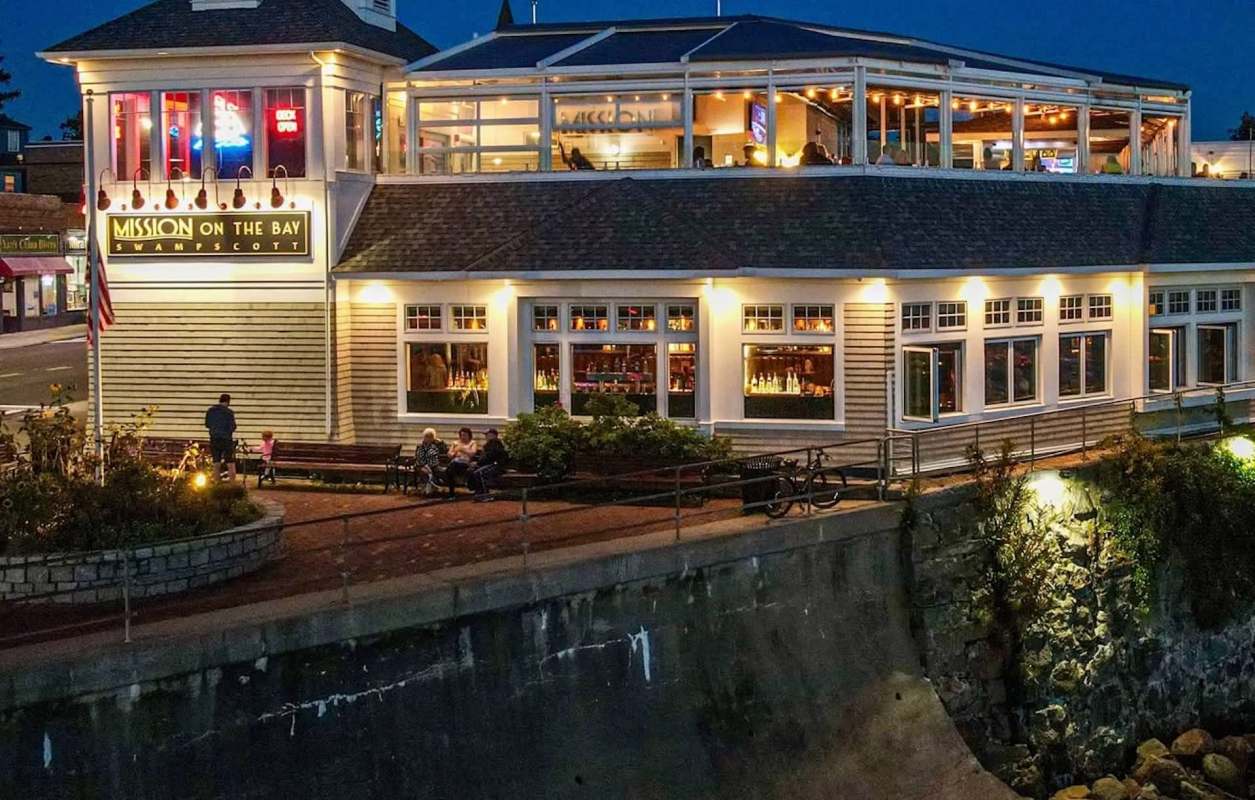
A stalled seawall repair project in Swampscott, Massachusetts, is drawing attention to a challenge many coastal communities know all too well — the infrastructure meant to protect waterfront property cannot always be fixed quickly, even when the damage is obvious.
Here's what to know
According to Itemlive, an Aug. 26 report stated that the Swampscott seawall repair proposal is still under review by the state.
While the local report focused on one site, the seawall beneath waterfront restaurant Mission on the Bay, the issue is familiar across Massachusetts. Seawalls, revetments, and other coastal defense structures often raise concerns about public safety, private property, environmental regulation, and climate resilience.
That can make even seemingly straightforward repair work far more complicated than it appears. A damaged seawall may threaten a building, nearby access, or the shoreline itself, but altering a coastal structure can also change erosion patterns, water flow, and habitat. State oversight is intended to address those risks before construction proceeds.
The delays reflect how much is at stake as flooding and storm damage become more costly and disruptive.
More background
Seawalls are built to protect land and structures from wave action, storm surge, and steady shoreline erosion. When they begin to fail, the effects can spread outward, affecting buildings, walkways, roads, and local businesses that rely on stable waterfront access.
TCD Picks » Quince Spotlight
💡These best-sellers from Quince deliver affordable, sustainable luxury for all




That is especially significant in a place like Swampscott, where the shoreline is both an economic asset and a growing source of vulnerability. Higher tides, stronger coastal storms, and sea-level rise are putting increasing pressure on aging infrastructure across New England's coast.
Projects like this show why climate adaptation is rarely as simple as pouring more concrete. Hard barriers can provide short-term protection, but they can also shift erosion onto neighboring areas or create other environmental tradeoffs. That is one reason regulators often closely scrutinize repairs and alterations.
The result is a difficult balancing act. Move too slowly, and communities face greater risk from the next major storm. Move too quickly, and a repair could create new problems that are expensive — or even impossible — to reverse.
What's being done?
The state review process could determine whether the current repair plan needs to be modified before work can continue, and it may shape how the seawall is ultimately rebuilt or reinforced.
In situations like this, local officials, engineers, business owners, and state regulators often have to collaborate on a design that strengthens protection while still meeting environmental and permitting requirements. In some cases, that means revising materials, construction methods, or the project's overall footprint.
"The long and short of it is this is chugging along," Conservation Commission Chair Toni Bandrowicz said, acknowledging that the emergency fix was always meant to be temporary, according to Itemlive. "I'm very pleased we have a peer reviewer going through this as quickly as they did."
Coastal communities are increasingly being forced to think beyond emergency repairs. That can include combining structural fixes with broader resilience planning, such as floodproofing vulnerable properties, improving drainage, updating hazard plans, and reassessing where traditional seawalls remain appropriate.

Get TCD's free newsletters for easy tips, smart advice, and a chance to earn $5,000 toward home upgrades. To see more stories like this one, change your Google preferences here.