


Those lanky offshoots trailing away from strawberry plants are doing more than spreading across the bed.
For gardeners, they can become the basis for a future crop, making it possible to expand a patch without buying additional plants.
Here's what to know
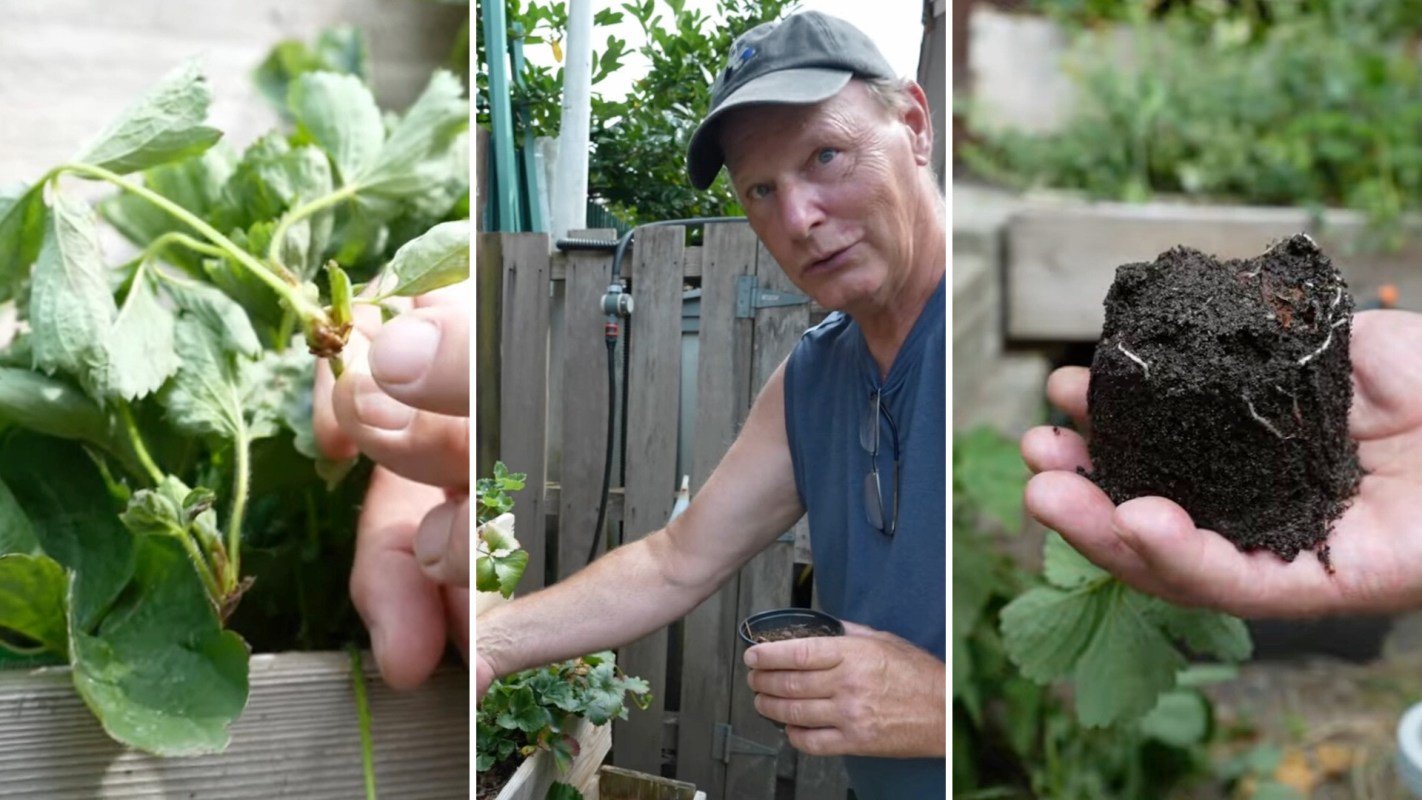
In a YouTube video, urban homesteader Peter from The Kailyard (@TheKailyard) explains how he uses strawberry runners to make new plants instead of spending money on replacements.
A runner is the long stem a strawberry plant sends outward, and the small plantlet at the end can grow into a separate strawberry plant.
He shows both naturally rooted runners and ones he helps along by resting a plantlet in a nearby pot of soil and pinning it in place while it is still connected to the parent plant.
His key advice is not to separate the new plant too early. Keeping that connection in place until the roots are established gives the young plant ongoing support from the mother plant and improves its chances after transplanting.
TCD Picks » Quince Spotlight
💡These best-sellers from Quince deliver affordable, sustainable luxury for all




He also uses these plantlets to refresh beds over time, since older strawberry plants eventually produce less. As the video's description notes, Peter says he swaps in newer plants as older ones slow down, keeping the patch going at low cost season after season.
More background
Strawberries multiply quickly and do not require much specialized equipment.
Instead of purchasing replacement plants every year, growers can use what their patch is already producing.
That can add up to significant household savings, particularly for anyone who eats berries regularly. Store-bought strawberries are often expensive and spoil quickly, while homegrown berries can be picked at peak ripeness for better flavor.
For many gardeners, that fresher taste is one of the biggest rewards.
There are other benefits as well. Gardening can support physical health through light activity such as digging, potting, watering, and bending, while time spent outdoors can also help improve mood and reduce stress.
Even a small food garden can make fresh produce feel more within reach. The video also reflects a practical mindset that many gardeners appreciate: using what the plant naturally wants to do.
Rather than treating runners as waste, Peter shows how they can become part of a simple cycle of renewal in the garden.
What can be done?
To try Peter's trick, find a healthy runner with a small plantlet attached. Put a pot of soil beside the mother plant, place the plantlet on the soil surface, and pin it gently so it stays in contact.
If one of the runners has already taken root in the bed, it can be dug up and moved once it has developed a decent root system.
After transplanting, the priority is helping it adjust: Keep it watered and sheltered from harsh sun, and, as Peter mentions, a "worm-castings bonus" plus a rich growing medium can help new plants get established.
This kind of project can be a simple entry point into growing your own food. It doesn't require a large yard, expensive tools, or advanced skills — just a little observation and patience.
Because the new plant remains connected until it is ready, the process can feel less risky than starting from seed. That makes runner propagation a practical option for gardeners hoping to grow more food for less money.
Peter summed it up simply: "Every strawberry plant is quietly making you more strawberry plants for free."

Get TCD's free newsletters for easy tips, smart advice, and a chance to earn $5,000 toward home upgrades. To see more stories like this one, change your Google preferences here.






