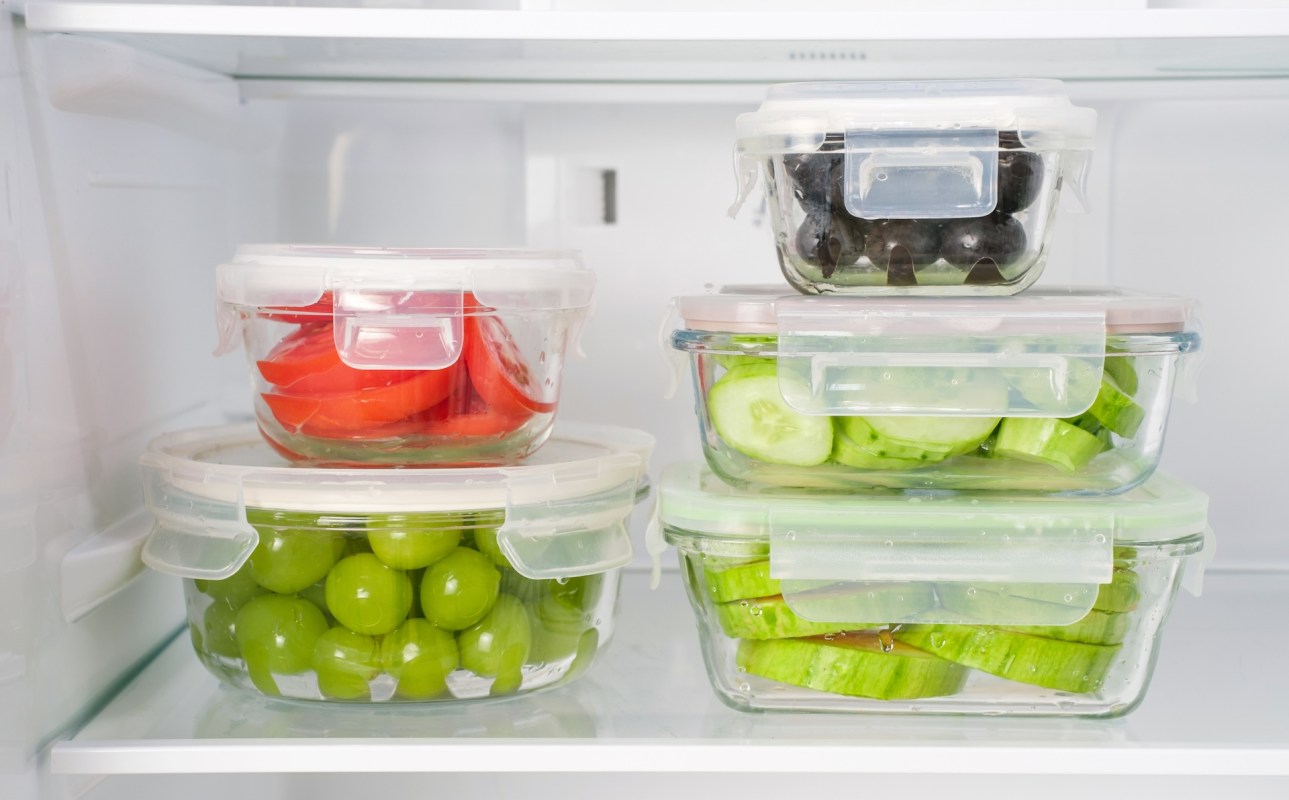
For many households, plastic containers are the default because they cost little, stack neatly, and work for almost everything. Still, a writer who holds a master's degree in public health nutrition argues that this everyday convenience can expose food to microplastics.
A recent move prompted her to rethink how she stored food, and she decided to swap out most of her food storage containers for non-plastic options.
What's happening?
In an article for EatingWell, Priyanka Shahane explained why she stopped relying on plastic for everyday food storage and shared the alternatives she now uses in her home.
Both practical and health-related concerns drove Shahane's shift.
"Plastic might be an inert substance if manufactured properly," Shahane wrote, "but there's a tremendous amount of variability in how the different types of plastic we store our food in are made."
The products she highlighted started at $5 and centered on reusable materials like stainless steel, silicone, and lead-free ceramic. Beeswax wrap can replace plastic wrap, and airtight glass sets are great for pantry goods and meal prep.
TCD Picks » Quince Spotlight
💡These best-sellers from Quince deliver affordable, sustainable luxury for all




Why does it matter?
Containers come into contact with food often for extended periods. A recent global report found that plastic food packaging sheds an estimated 1,000 metric tons, or about 1,100 tons, of microplastics into food and beverages annually.
Airtight containers can also make food easier to organize, more visible, and in some cases longer-lasting. They're especially helpful with wrangling staples like sugar, oats, and pasta.
Reusable food storage containers can help reduce reliance on disposable plastic bags and cling wrap as well. While that alone will not completely stop plastic pollution, it can help people buy less single-use plastic over time while building a more durable kitchen system.
What can I do?
Shahane recommended replacing items gradually, especially the ones used most often for storage, reheating, or meal prep.
One of her more novel suggestions included a ceramic cruet for olive oil, noting that it helps protect the oil from "heat, air, light and time."
For shoppers most concerned about cost, starting small may be the easiest option. One airtight glass set, a couple of pantry jars, and a reusable wrap can go a long way. And you may even be able to thrift at least the first two items.

Get TCD's free newsletters for easy tips, smart advice, and a chance to earn $5,000 toward home upgrades. To see more stories like this one, change your Google preferences here.