


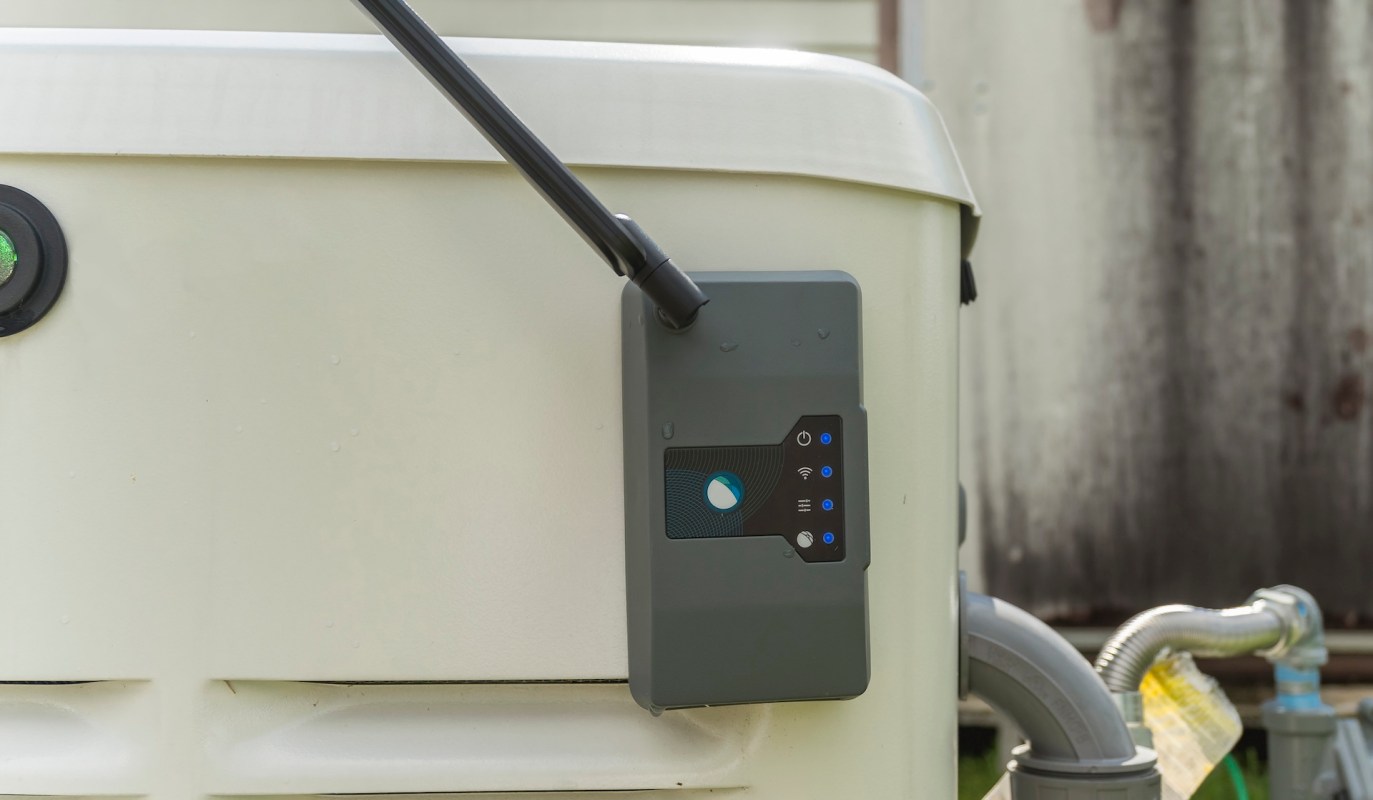
A homeowner shopping for backup power ran into a problem many buyers likely do not think much about until after installation: A standby generator that seemed acceptable on paper ended up sounding far louder than expected once it was placed in a tight side yard.
Here's what to know
In a thread on r/Generator, a homeowner said an 8-kilowatt Kohler standby generator fueled by natural gas was measuring 93 decibels at the house, far above Kohler's published 72-decibel rating at 23 feet.
"No way in hell can I run that thing in the tight neighbor quarters where I live," the original poster wrote.
The owner said the installation left the generator about 5 inches from the house and roughly a foot from a 4-foot concrete retaining wall. According to the post, Kohler said that placement was driving the higher noise level, but the homeowner did not believe sound reflections should account for an increase of more than 20 decibels.
Commenters pushed back on both the setup and the machine itself.
One commenter suggested a mechanical problem, writing: "If it's 90db then you've got the world's worst exhaust leak."
TCD Picks » Quince Spotlight
💡These best-sellers from Quince deliver affordable, sustainable luxury for all




Another said the 8-kilowatt model was "absolutely the cheapest junk they made" and noted that it had been discontinued.
Later in the thread, the poster said an electrical contractor had supplied the generator as a leftover from another project and was willing to take it back, which could make replacement easier.
More background
Once a standby generator has been installed on a pad and connected to fuel service, dealing with excessive noise can become far more complicated and costly.
Manufacturer decibel figures are generally based on standardized testing, not on a narrow side yard lined with hard surfaces. In practice, siding, masonry, and retaining walls can reflect sound in ways that make a generator seem much louder than its published rating would suggest.
Several commenters also noted that smaller air-cooled, single-cylinder machines can vibrate heavily, adding rattles and harshness beyond simple exhaust noise.
What can be done?
Generator siting should be treated as seriously as the generator itself. Before installation, ask for real-world sound expectations based on the exact layout of the property, including nearby walls, fences, and setbacks, not just the manufacturer's open-air rating.
If a unit is already installed and sounds far louder than expected, a few checks can still help. Homeowners can verify that exhaust connections and sheet metal are tight, inspect for vibration-related issues, and ask an installer whether the orientation or location can be changed. In the thread, multiple commenters suggested the noise level described pointed to either an unusually problematic model or an abnormal installation.
For buyers who need quieter backup, commenters pointed to inverter generators, lower-rpm liquid-cooled systems, or hybrid setups that use a home battery overnight and a generator only when needed.
Where can I learn more?
For homeowners dealing with a generator that is too loud, these stories show how placement, enclosures, and backup alternatives play out in real homes.
• Homeowners found noise-reduction boxes can backfire when airflow or warranty limits get ignored.
• One homeowner worried a generator that was too close to the house raised fire and fume risks.
• After Hurricane Beryl, officials warned that carbon monoxide from generators can turn deadly fast.
• Backup power shoppers are increasingly turning to home batteries paired with solar for quieter nights.

Get TCD's free newsletters for easy tips, smart advice, and a chance to earn $5,000 toward home upgrades. To see more stories like this one, change your Google preferences here.






